Burnham set to reshape UK economy with 'Manchesterism'
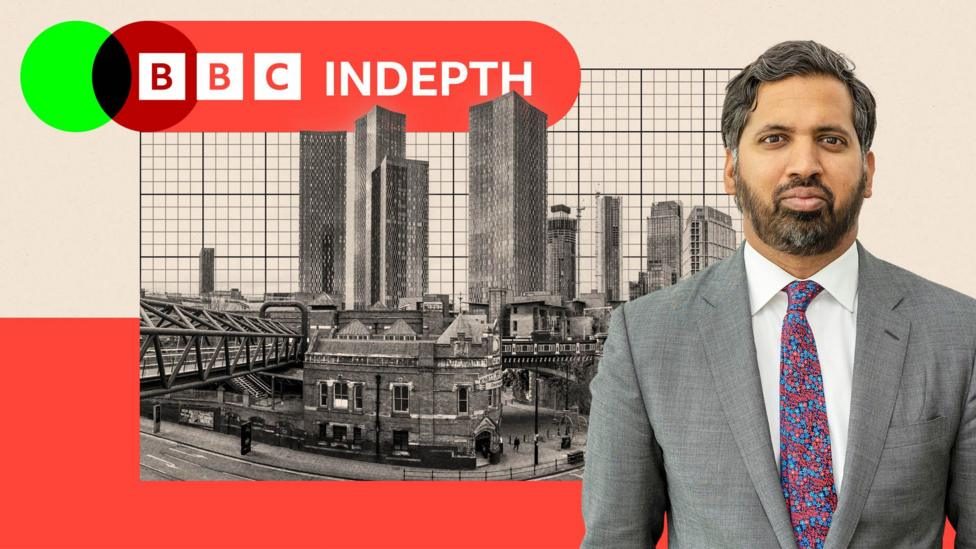
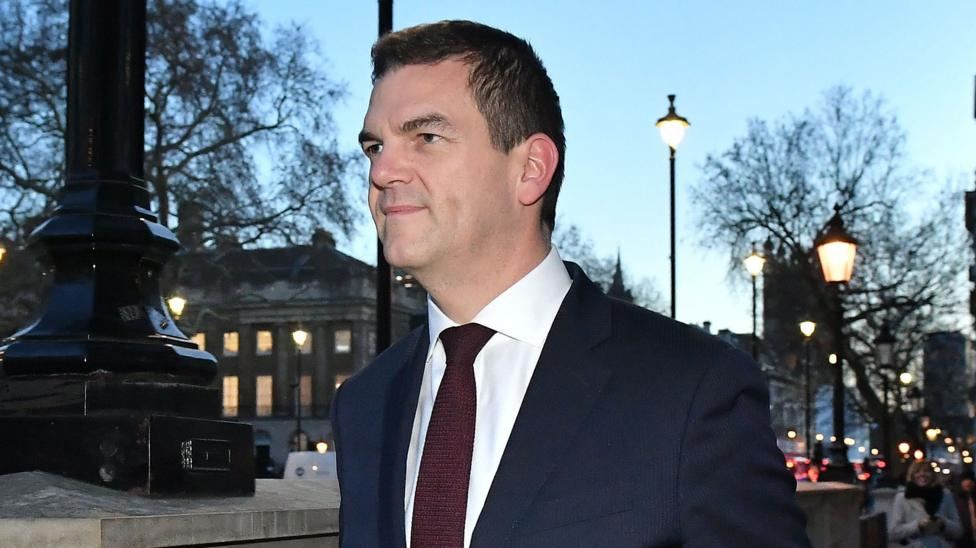
Andy Burnham is preparing to become UK prime minister with a plan to overhaul the country's centralised economy by exporting Manchester's public-private growth model to the rest of the nation.
Andy Burnham is preparing to become UK prime minister, aiming to reshape the national economy by exporting the growth model of Manchester. The political philosophy, dubbed "Manchesterism", blends free-market economics with strategic state intervention to decentralise wealth and opportunity away from London.
Manchester currently boasts the fastest-growing city economy in the country. This ascent traces back to the 1996 IRA bombing, after which local leaders chose to entirely reshape the city centre rather than simply repair it. Council leaders Sir Richard Leese and Sir Howard Bernstein drove a strategy that used public money to de-risk brownfield industrial sites, eventually drawing in massive private and international capital.
The city's success was "built on there being a clear plan the private sector can get behind," according to Paul Thwaite, chief executive of NatWest. The strategy has created a dense agglomeration of service sector jobs and housing. Manchester now retains over half its university graduates, second only to London, and recently recorded a net inflow of young workers from the capital.
For investors and businesses, Burnham's ascent signals a potential overhaul of how the UK allocates capital. He plans to tear up the Treasury's Green Book, the formula that dictates infrastructure spending and has historically channelled transport funding to high-value southern areas. He recalls being told in 2007: "No project in the north passed the Green Book, Minister."
To address this, Burnham advocates for major infrastructure upgrades, such as an underground "Kings Cross of the North" to relieve the 40,000 daily commuters crossing the Pennines. He also wants to scrap the Barnett formula, which calculates public spending allocations for Scotland, Wales, and Northern Ireland, arguing it financially squeezes the English north.
This decentralisation drive includes constitutional reforms like proportional representation and replacing the House of Lords with a "Senate of the Nations and the Regions". On energy policy, Burnham promotes a "Northern Way" that subsidises retrofits and builds locally owned exportable industry, contrasting it with a "Whitehall way" of taxes and bans.
As chronicler Andy Spinoza noted of Burnham's decade leading the city: "Burnham jumped into a moving car, and by the end he was driving it." The question for European markets is whether he can steer the entire UK economy using the same map.