Former UK minister Ann Widdecombe killed in third political murder in a decade
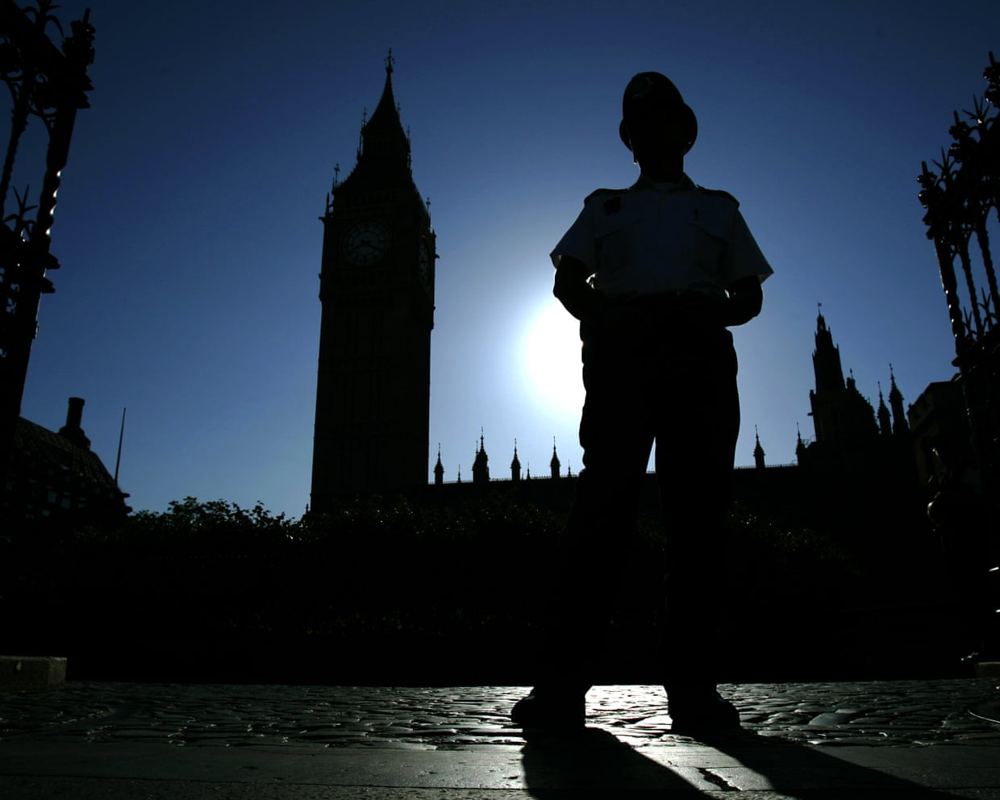
The killing of 78-year-old Ann Widdecombe marks the third assassination of a British politician in a decade, exposing deep political fractures and forcing a reassessment of the security and financial costs of public life in the UK.
Ann Widdecombe, a 78-year-old former UK minister and Reform UK spokesperson, has been killed at her home on Dartmoor. Her death marks the third killing of a British politician in a decade, following the murders of Jo Cox and David Amess.
Widdecombe, who left parliament 16 years ago, lived alone in a bungalow named "Widdecombe's Rest". Having survived the 1984 Brighton hotel bombing that almost killed Margaret Thatcher, she was aware of security risks. However, her killing highlights how the threat to public figures has shifted from targeting state symbols to individuals representing specific political ideas. The killer's motives remain unclear.
The aftermath has exposed deep political fractures in Westminster. Keir Starmer and Kemi Badenoch offered solidarity to Reform UK leader Nigel Farage, but senior party figures rebuffed the gestures. Richard Tice stated: "It’s as though someone in the establishment wants us dead."
Farage reportedly rejected security arrangements similar to Badenoch’s, arguing his existing measures were more comprehensive. In response to the violence, Reform UK has promised round-the-clock protection for every MP if elected, a policy estimated to cost billions. This proposal underscores the escalating financial burden of securing public life in the UK.
During her career, Widdecombe was a highly visible figure in British conservative politics. She opposed abortion rights, LGBTQ+ rights including equal marriage, and European integration, while also advocating for prisoner rehabilitation. Her assassination long after leaving frontline politics demonstrates that the risks of political violence now extend far beyond active MPs, permanently altering the security calculus for anyone involved in British public life.
The string of political assassinations forces a reassessment of how European democracies protect public figures. With Reform UK advocating for billions in spending to shield MPs, the economic and operational costs of political violence are becoming clear. Ultimately, the targeting of a former lawmaker who had been out of office for 16 years suggests the threat environment has broadened significantly.