Athens defends €6m Nolan subsidy as US casting row misses Greece
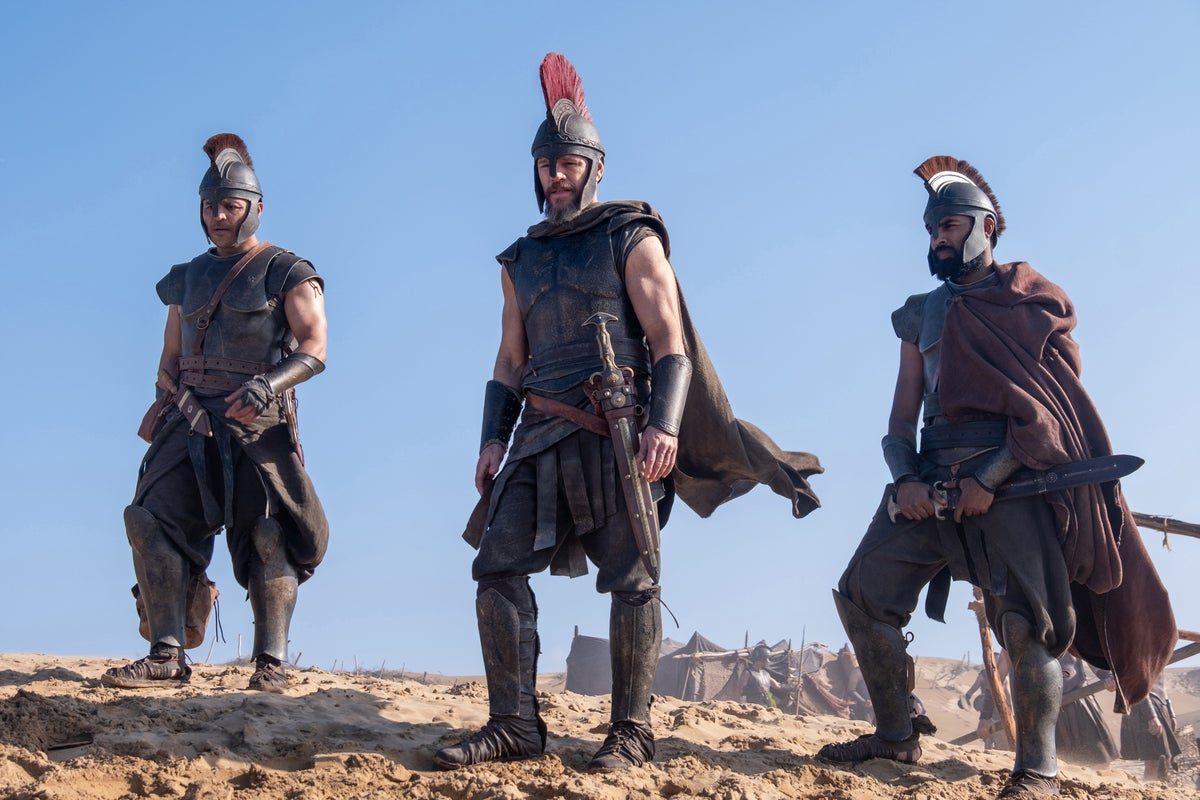
The Greek government is defending a €6 million state subsidy for Christopher Nolan’s "The Odyssey" against nationalist criticism, highlighting a stark divide between European cultural pragmatism and an American culture war over the film's casting.
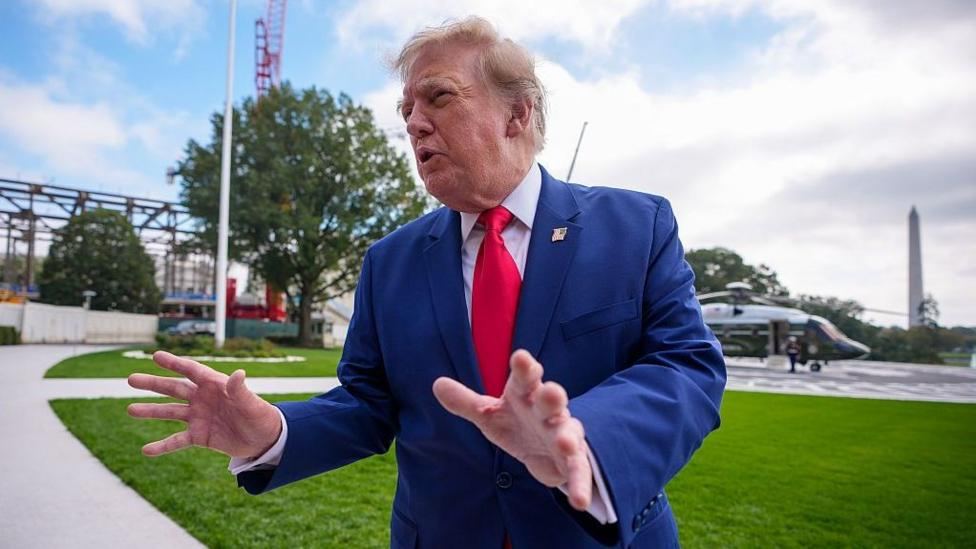
Christopher Nolan’s “The Odyssey” arrives in cinemas on Friday, but in Greece, the debate is less about Hollywood casting choices and more about public investment. The nationalist Niki party has condemned a Greek government decision to provide roughly €6 million in subsidies to support the film’s local production. Citing Elon Musk, the party argued Greek taxpayers were funding an imposition of “woke-type ideology” on the country’s cultural identity.
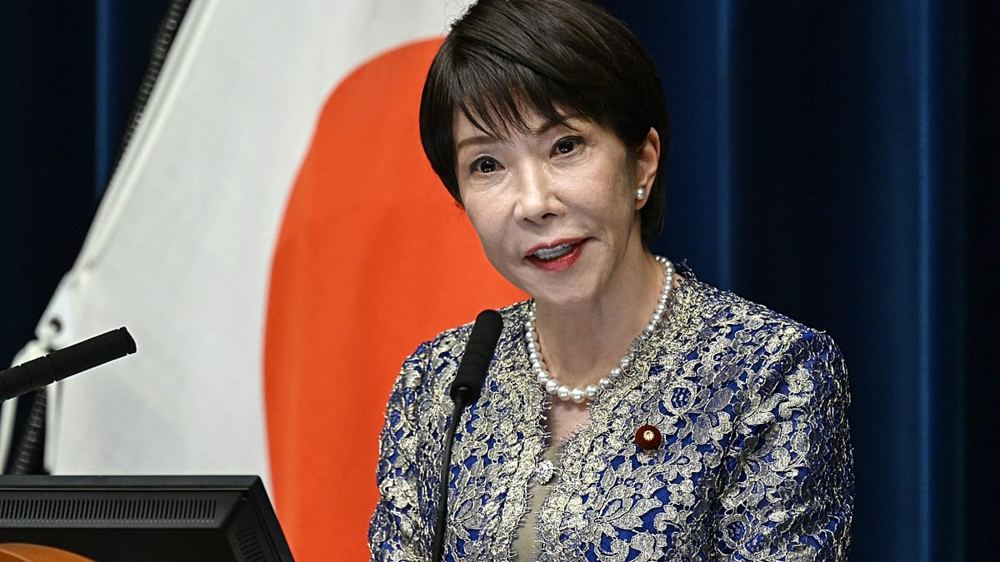
Culture Minister Lina Mendoni dismissed the criticism. “It is not the state’s role to dictate to a creator how they should artistically interpret a work or a myth,” she told the Greek popular culture magazine Lifo.
The controversy, which in the United States has centred on Musk and commentator Matt Walsh attacking the casting of Lupita Nyong’o as Helen of Troy, has largely failed to gain traction domestically. Greek audiences are accustomed to seeing ancient figures portrayed by foreigners, from Brad Pitt as Achilles to Gerard Butler as King Leonidas and Anthony Quinn as Zorba.
In Greek public life, Homer’s epic is not treated as a static relic. The poem is taught in all seventh-grade classrooms, where educators actively encourage students to debate the morality of Odysseus’s actions and imagine themselves in his place. “What we want children to understand is that every new creation is exactly that, a new creation,” said Filippos Mantzaris, a teacher who instructs the text.
Nolan told the Associated Press he wanted the film to be accessible and “not look back to sort of past Hollywood versions of how to take on the ancient world.” He told The Telegraph that pre-release backlash “comes with the territory,” adding that such conversations “are always irrelevant, because no one having them knows what the film actually is yet.”
Christos Tsagalis, a professor of ancient Greek literature at the Aristotle University of Thessaloniki, framed the global adaptation as a strength rather than a threat. “I think it’s wonderful that something that is created at a specific point in time by a given people is shared by so many people across the globe,” he said. “It’s shared culture.”