UK's next PM Burnham vows end to neoliberalism, calms Brexit talk
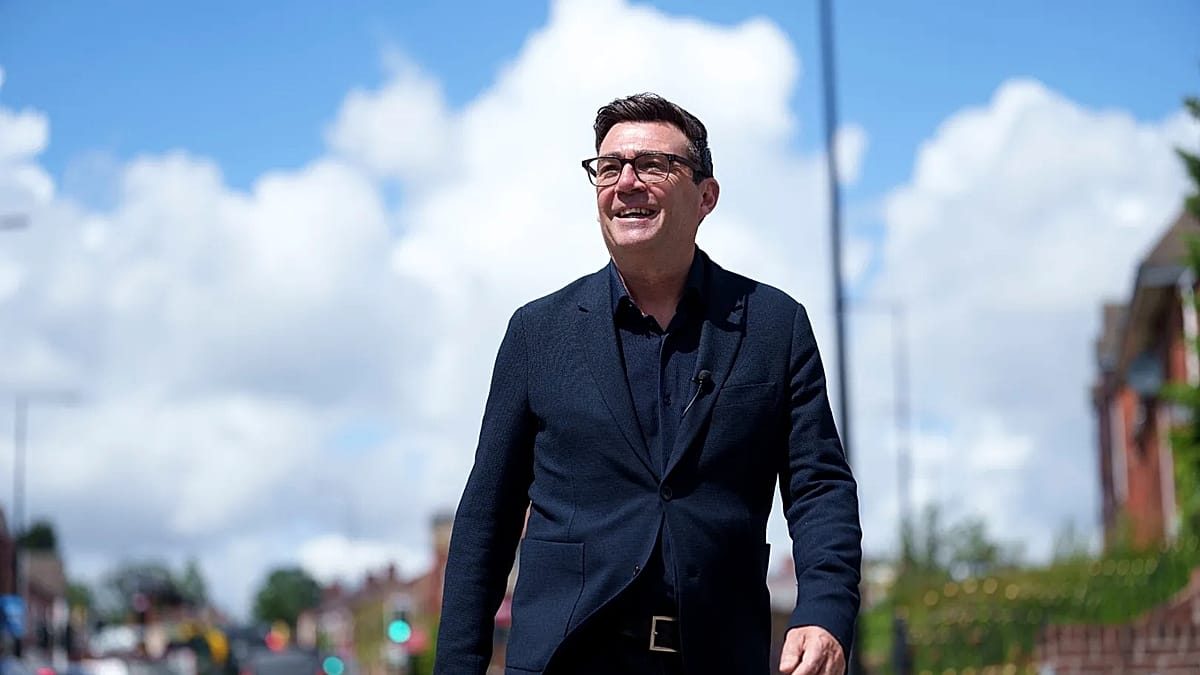
Andy Burnham will take over as UK prime minister on Monday, bringing a left-leaning economic agenda and a promise not to reopen Brexit debates that European trading partners had feared.
Andy Burnham is set to be confirmed as the leader of the Labour Party on Friday before taking over as the UK’s seventh prime minister in a decade on Monday. The Makerfield MP secured 379 nominations from his parliamentary colleagues out of a possible 403, leaving him with a clear path to Downing Street after his last potential rival dropped out.
For European investors and businesses, Burnham’s rapid ascent signals a definitive shift in the UK’s economic direction. He has explicitly pledged to put an end to "trickle-down economics and neoliberalism," suggesting a return to a more interventionist state model that departs from the market-oriented policies favoured by recent Conservative governments.
Central to this economic pivot is a massive state-driven construction programme. Burnham has committed to embarking on "the biggest council house building programme since the post-war period." If implemented, this infrastructure drive will demand significant materials and labour, directly impacting European supply chains and construction firms operating across the Channel.
His economic strategy also relies heavily on regional devolution, an approach he championed during his tenure as mayor of Greater Manchester. Having earned the nickname "king of the North" for overseeing a period of major regional growth, Burnham plans to establish a "No. 10 North." The goal is to deliberately divert power and investment away from London and the southeast, potentially altering where European foreign direct investment lands in the UK.
On EU-UK relations, Burnham is offering continuity rather than immediate disruption. While he has previously advocated for rejoining the European Union and stated in May that "Brexit has been damaging," he softened this stance during his recent by-election campaign. "I also believe the last thing we should do right now is rerun those arguments," he said. This provides a measure of stability for European exporters and traders who require predictable cross-border frameworks.
However, his sudden rise carries political fragilities. Burnham is taking over after Keir Starmer resigned last month under intense pressure following Labour's disastrous local election results in May. His uncontested run has drawn accusations from opposition leader Kemi Badenoch that Labour is "running scared" of scrutiny.
A former chief secretary to the Treasury, Burnham is expected to pledge that his government will have the "courage to fix the big things that politics has neglected." Whether that anti-neoliberal agenda translates into workable policy for the UK economy, or friction for European markets, will become clearer once he enters Downing Street.