Arrest after Spain's largest wildfire of year burns 12,000 hectares
A suspected arsonist has been detained as Spain battles simultaneous wildfires, exposing the growing strain on European emergency infrastructure from climate change and rural abandonment.
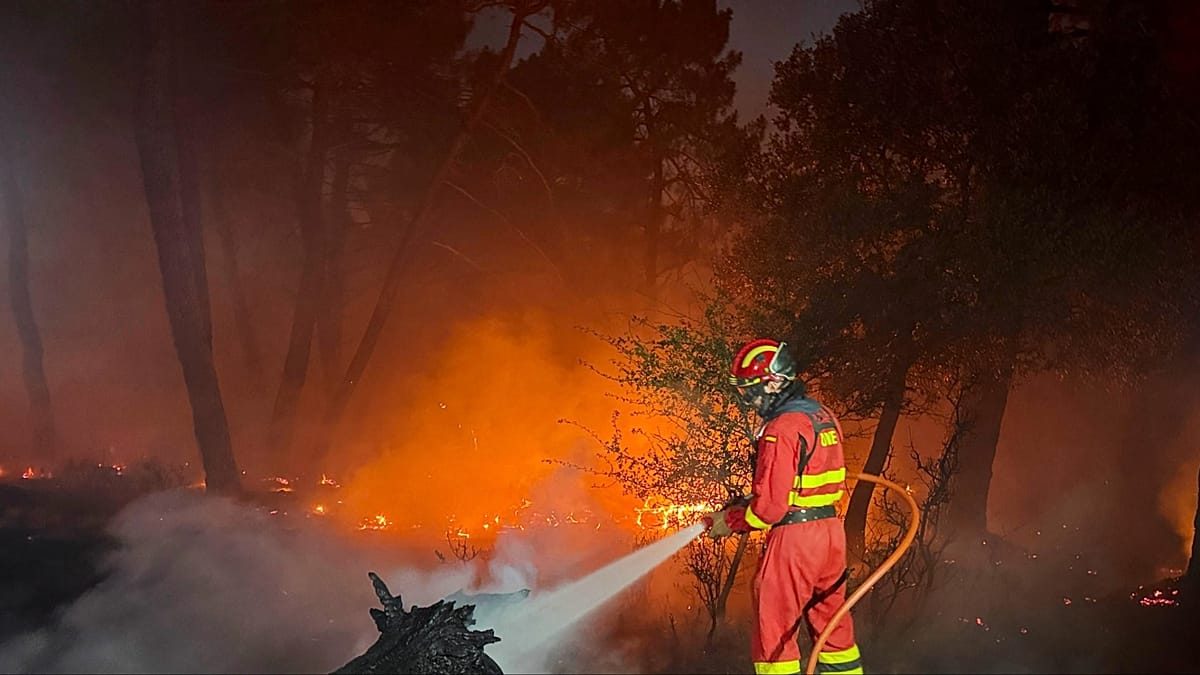
The Cinco Villas wildfire in Zaragoza has destroyed 12,000 hectares, making it Spain’s largest blaze of the year and forcing the evacuation of six villages. Declared on Wednesday, the fire remained “fairly active” on Friday, having spread rapidly overnight to a 60-kilometre perimeter that displaced more than 1,100 people across Zaragoza and into Navarra.
Emergency services deployed 400 ground resources and 19 aircraft to protect residential areas, focusing efforts on the town of Uncastillo. The blaze disrupted local infrastructure, closing five roads and temporarily cutting electricity to multiple localities before supplies were restored. A separate fire in Ciudad Real was finally extinguished on Friday after burning 800 hectares.
The scale of the emergency has triggered a significant political and legal response. The Civil Guard arrested a man on Thursday on suspicion of starting the Zaragoza fire, after witnesses reported seeing him fleeing the area. Officers found the suspect carrying a rucksack containing numerous flammable products, and authorities confirmed he had previous records for similar offences in other provinces.
The regional government of Madrid, currently managing its own 70-hectare blaze near Lozoyuela, announced it will act as a popular prosecution in the case. Madrid’s environment councillor, Carlos Novillo, described the suspect as “a heartless individual who has caused a major fire, putting lives in danger”. President Isabel Díaz Ayuso backed the legal action, utilising new regulations designed to protect the region's natural heritage.
Systemic risks exposed
The Madrid fire, while relatively small, forced over 2,000 people to remain confined to their homes and required the evacuation of 100 residents, including 50 children from a summer camp. In Guadalajara, a separate blaze burned 900 hectares in just a few hours, prompting the regional government to request military reinforcements from the Military Emergency Unit.
The simultaneous outbreaks highlight the mounting pressure on Spain's public resources. Experts note that while high temperatures, wind, and abundant vegetation from a rainy spring accelerated these fires, the underlying causes are structural. The long-term abandonment of rural woodlands combined with climate change is creating volatile conditions that will continue to test European emergency capabilities.