UK designers market anti-surveillance clothing as AI tracking rises
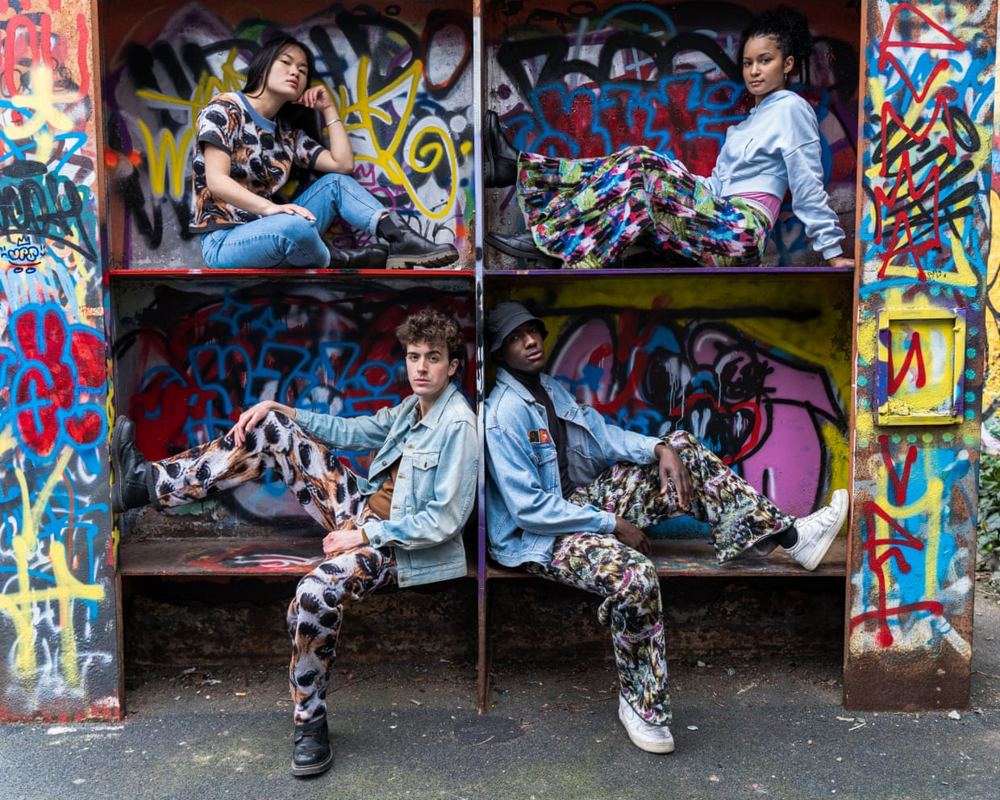
British clothing brands are launching garments designed to fool facial recognition algorithms, signalling a new consumer market driven by growing public unease over the unchecked expansion of AI surveillance.
British fashion brands are bringing "adversarial clothing" to the mass market, selling garments engineered with specific patterns, colours and asymmetrical cuts designed to confuse computer vision systems.
This commercial push responds directly to the rapid deployment of facial recognition across UK public spaces. Advances in generative AI have made automated identification cheaper and more accessible to police, retailers and private businesses, an expansion that has outpaced the current regulatory framework.
Public backlash is creating the consumer demand for these garments. A recent poll showed almost 60% of people believe the technology is turning the UK into a surveillance society. Concerns are compounded by evidence of racial bias, with black and Asian individuals more likely to be misidentified than white people. Britain's biometrics watchdogs have already warned about this expansion and called for new laws and a dedicated regulator to curb misuse.
Designers say the technology to produce these garments has finally aligned with commercial viability. Dr Jennifer Bell, a senior lecturer at Nottingham School of Art & Design, noted that anti-facial recognition designs are now available at high street prices and marketed to a wide demographic. “That growing awareness combined with a lowering of cost often precedes the tipping point towards a real cultural moment,” she said.
Brands like Vollebak, Urban Privacy and Cap_able are leading the charge. Urban Privacy co-founder Daniel Preuß uses large-scale prints and infrared LEDs in hoods to dazzle night-vision cameras. “Our patterns play with that chaos, confuse algorithms and make it way harder to pin you down,” he said.
Experts, however, warn that no design can guarantee evasion from modern surveillance. “None of these products are tried and tested, and a lot of these surveillance technologies can deal with a little resistance,” Bell said. Yet, Rachele Didero, founder of Cap_able, argued the market has shifted from a niche concern to a broader movement. “Those wearing these products are the vanguard. The mainstream is quickly coming up behind them,” she said.
For investors and fashion retailers eyeing this sector, regulatory risk remains a significant hurdle. Vollebak co-founder Nick Tidball cautioned that if the garments prove truly effective, the political response could be swift. “If such clothing genuinely proved effective, it could get political very quickly,” he said. “Then this type of clothing could find itself banned.”