Steep fines and gear bans signal Europe's overtourism turning point
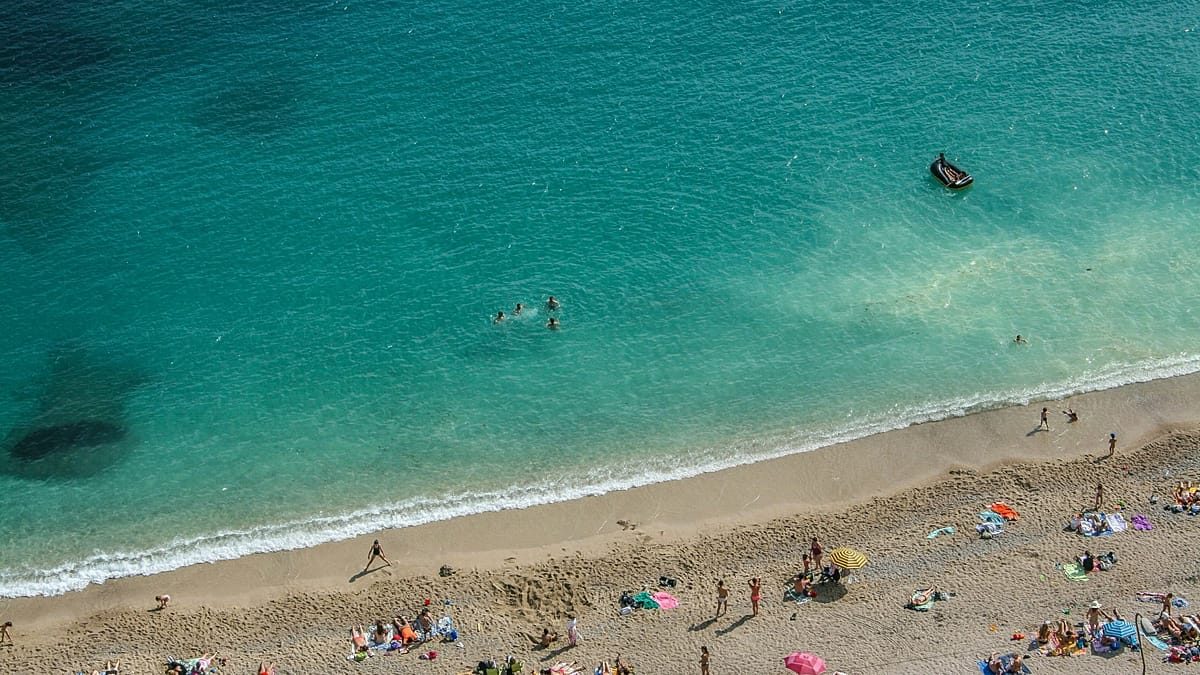
Municipalities across Europe are introducing severe fines and strict bans on beach equipment and behaviour, signalling a decisive shift to protect local environments and public life from the pressures of mass tourism.
Coastal municipalities across Europe are enacting unprecedented restrictions on beachgoers this summer, replacing passive management with strict enforcement and steep financial penalties. From Spain to Croatia, local authorities are rapidly rolling out new regulations targeting beach equipment, noise, and public behaviour.
This regulatory wave represents a turning point in how the continent manages its lucrative tourist economy. As overtourism strains coastal infrastructure and ecosystems, towns are actively prioritising the quality of local public life over unrestricted visitor access.
The new equipment bans pose a direct challenge to the traditional beach rental sector. Greece has prohibited sunbeds, umbrellas, and temporary wooden structures on 251 beaches, removing a primary revenue stream for local concessions. In Sardinia, the Punta Molentis beach strictly limits umbrellas to one per family. Nearby Pelosa beach requires towels to be placed over protective mats, with violations risking an immediate €100 fine.
Authorities are deploying aggressive financial deterrents to police public space. In Calpe, Spain, leaving chairs or parasols on the sand before 9.30am to reserve a spot triggers a €250 fine and police confiscation of the items. Portugal's National Maritime Authority has banned loud portable speakers altogether. Individuals face fines up to €4,000, while organised groups can be penalised up to €36,000.
The regulatory reach extends beyond the sand into local hospitality and residential zones. Over 600 Spanish beaches have banned smoking and vaping, mirroring a nationwide French ban that carries €135 fines. Resort towns are policing attire to protect urban decorum, with Sorrento fining street swimwear up to €500 and Albufeira levying penalties ranging from €300 to €1,500. Similar public order rules apply in Barcelona and Majorca, where violations reach €300, and in Croatian coastal cities like Split, Dubrovnik, and Hvar, which cap fines at €150.
Even minor infractions now carry heavy penalties to deter anti-social behaviour. Vigo and Marbella have implemented bans on urinating in the sea, with Vigo imposing a €750 fine since 2022. The breadth of the restrictions even extends to animals, with dogs and horses widely banned during peak season, and elephants specifically prohibited on the beach in Granville, Normandy, since 2009.