Pyongyang and Beijing bolster ties as North seeks economic aid
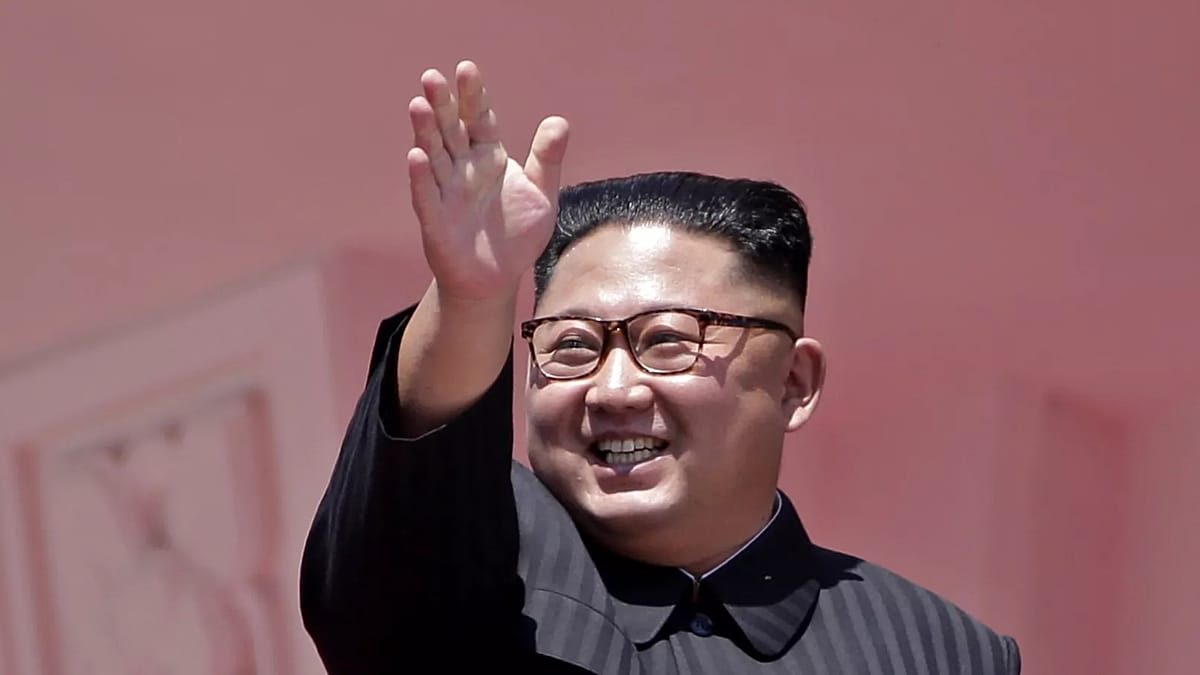
North Korean leader Kim Jong Un hosted a senior Chinese official in Pyongyang to strengthen economic ties, a move driven by Pyongyang's failing economy and Beijing's growing unease over North Korea's alignment with Russia.
North Korean leader Kim Jong Un met Wang Huning in Pyongyang on Thursday, as the two nations continue to bolster their relations. Wang, a member of the Chinese Communist Party's Politburo Standing Committee, led a delegation that arrived in the North Korean capital earlier this week.
The high-level visit underscores North Korea's urgent need for foreign currency to stabilize its ailing economy. According to a Wednesday report by the Institute for the Study of War, Pyongyang's recent diplomatic push toward Beijing is primarily an attempt to secure this financial relief. The country's roughly 26 million people face severe food shortages and high poverty. This economic distress persists despite the nation's guiding principle of "Juche," a doctrine demanding political independence and economic self-sufficiency that has largely cut the country off from the international financial system.
For European policymakers, the meeting highlights a complex power shift in East Asia with direct ties to the continent's security environment. North Korea has recently deepened its military links with Russia, a development that has sparked fresh concern in Beijing about losing leverage on the Korean peninsula. Wang's arrival is part of a broader Chinese effort to reassert its regional position. President Xi Jinping made his own visit to Pyongyang in June as part of this push, resulting in an agreement on "developing relations."
State media from both countries framed the latest talks in cooperative terms. Kim declared it North Korea's "steadfast policy" to continue building "traditional friendly and cooperative relations" with China, according to the KCNA state news agency. In his own speech, Wang said Beijing would "deepen exchanges and mutual learning" with Pyongyang. He also pledged that the two governments would work together to "promote peace and stability in the region and the world at large," China's state-run Xinhua news agency reported.
Historically, Beijing and Pyongyang have maintained a strained relationship despite their shared economic and security ties. By sending a top Politburo official now, China is attempting to pull its neighbour back into its economic orbit before Russian influence grows further. For European governments closely monitoring Russia's military supply chains, the success or failure of this delicate diplomatic balancing act will have tangible consequences.