Farnborough pivots to defense spending as jet supply chains stall
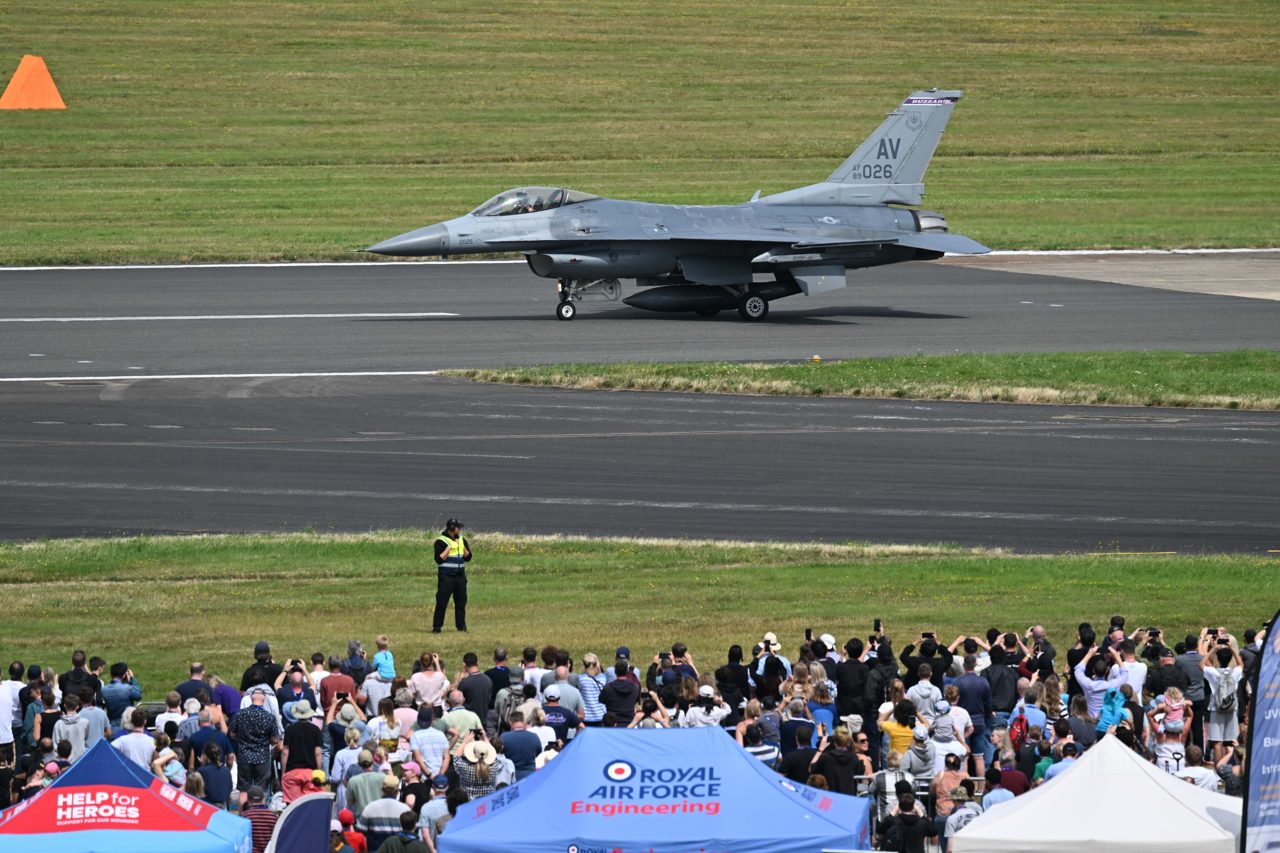
Record defense spending driven by European security threats is pushing arms and AI technology to the forefront of the Farnborough Airshow, overshadowing a commercial aviation sector constrained by severe supply chain bottlenecks.
Escalating global conflicts are reshaping Britain’s Farnborough Airshow, pushing defense ahead of the traditional Boeing and Airbus commercial jet order race. Defense exhibitors now make up half of the record 1,600 participants at the July 20-24 event, up from 40% historically.
The shift reflects the highest rise in European defense spending since the Cold War, fueled by the ongoing war in Ukraine and instability in the Gulf. "The global security environment is arguably more complex and volatile today than we have seen in many, many decades," said Air Chief Marshal Harv Smyth, head of the Royal Air Force.
This spending surge is sparking a cultural clash between legacy arms manufacturers and agile tech startups. Tom Enders, the former Airbus CEO who now chairs German defense startup Helsing, warned that AI and drone systems will disrupt the sector. He contrasted risk-averse traditional firms that wait for government funding with aggressive new entrants that spend their own capital.
Despite the hype around uncrewed fighter cohorts from companies like Helsing and Anduril, older manned platforms like the F-35 and Eurofighter will still dominate actual budgets. "Valuations are tilting in favor of the defense entrants but … most militaries are still spending the vast amount of their resources on manned platforms," said Byron Callan of Capital Alpha.
On the commercial side, the usual frenzy over jet orders is fading because delivery slots are sold out well into the next decade. "Winning orders is not the question. It’s not the relevant measuring stick that it used to be because of production capacity constraints," said Jerrold Lundquist of The Lundquist Group.
Total deals are expected to land around 300 aircraft, far below some forecasts of 800, though Air China did confirm an order for 55 Airbus jets. Investors are now focused on aircraft deliveries, where manufacturers generate most of their profits. Persistent shortages in castings, forgings, engines and interiors are blocking Airbus from reaching its goal of building 75 single-aisle jets a month by 2027.
Kevin Michaels of AeroDynamic Advisory noted that while supply chains have improved, they are not robust enough to handle Airbus’s targets or planned production increases by Boeing. Still, there are signs of progress in the aerospace supply chain. "I do think the supply chain has really turned the corner," said GE Aerospace CEO Larry Culp, while cautioning that more work remains.