Swedish funding backs puppet theatre's London export
A Swedish state-funded puppet company is exporting an explicit, DIY-style production to London, highlighting how sustained public arts investment can create viable cultural exports for niche European theatre.
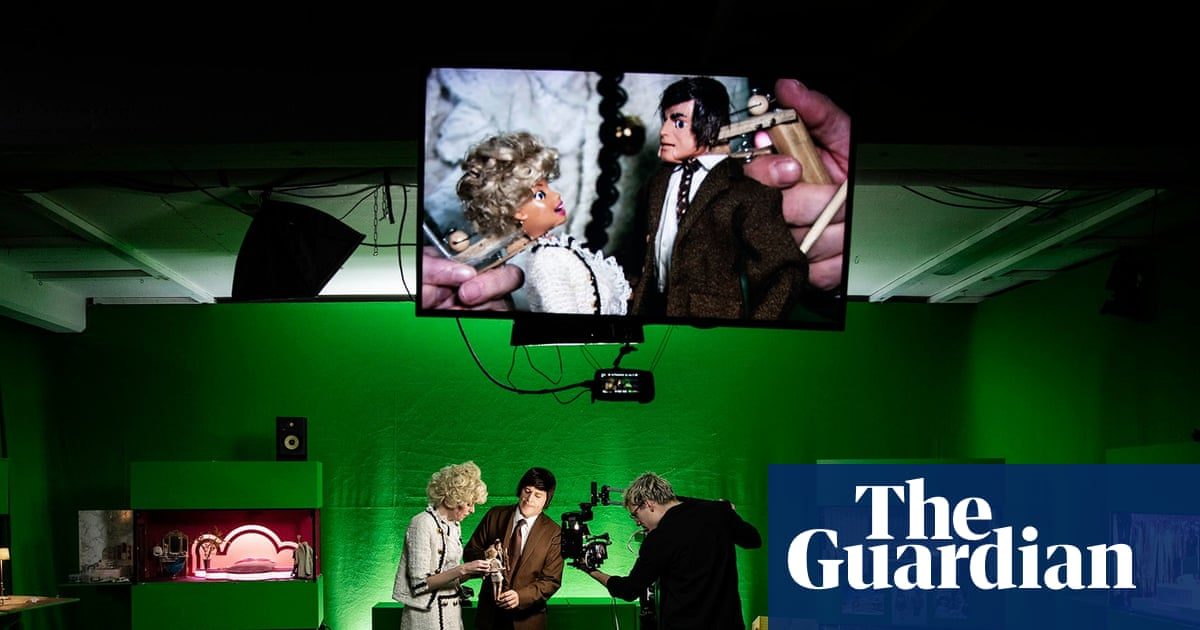
Malmö Dockteater is bringing an explicit puppet adaptation of Jackie Collins’s 1968 novel The World Is Full of Married Men to the Yard theatre in London, running from 21 July to 1 August. The production uses reconstructed, anatomically modified Barbie and Ken dolls to stage the book's graphic sex scenes. It will be performed in Swedish with English subtitles.
For a European arts sector increasingly constrained by tight budgets, the transfer demonstrates how sustained public funding can build niche cultural exports. Founded in a Malmö basement in 2015, Malmö Dockteater is Sweden’s only puppet theatre for adults. Director Erik Holmström describes the company’s financial position as “quite safe, but always with a small budget,” relying on annual funding increases from the Swedish state and Malmö city.
Bringing experimental European work to the UK is rare, a gap driven by a lack of local funds and low risk appetite. However, the Yard theatre—newly refurbished and doubled in size—is absorbing some of that risk with backing from the Swedish Arts Council. This cross-border financial support heightens the potential for future international partnerships and transfers.
The company’s economic viability rests on a deliberately low-tech, DIY aesthetic. Rather than hidden mechanisms, the human performers operating the dolls are fully visible, with videographer Josefin Beischer livestreaming the miniature action to a large screen. “You can see the glue, the screws,” says Holmström. “We work with openness, with making things visible.”
This transparent approach keeps production costs manageable while touring complex, fragile sets featuring 14 dollhouses. When a misplaced prop tongue threatened a Stockholm performance, the company simply cobbled together a replacement. “It’s just a few millimetres, and it’s on a stick,” says performer Erik Olsson. “I like when the audience think they could go home and make their own,” Holmström adds. By merging provocative content with scrappy execution, Malmö Dockteater has turned a marginal art form into a sustainable, exportable product.