South East Water warns of survival risk as losses widen
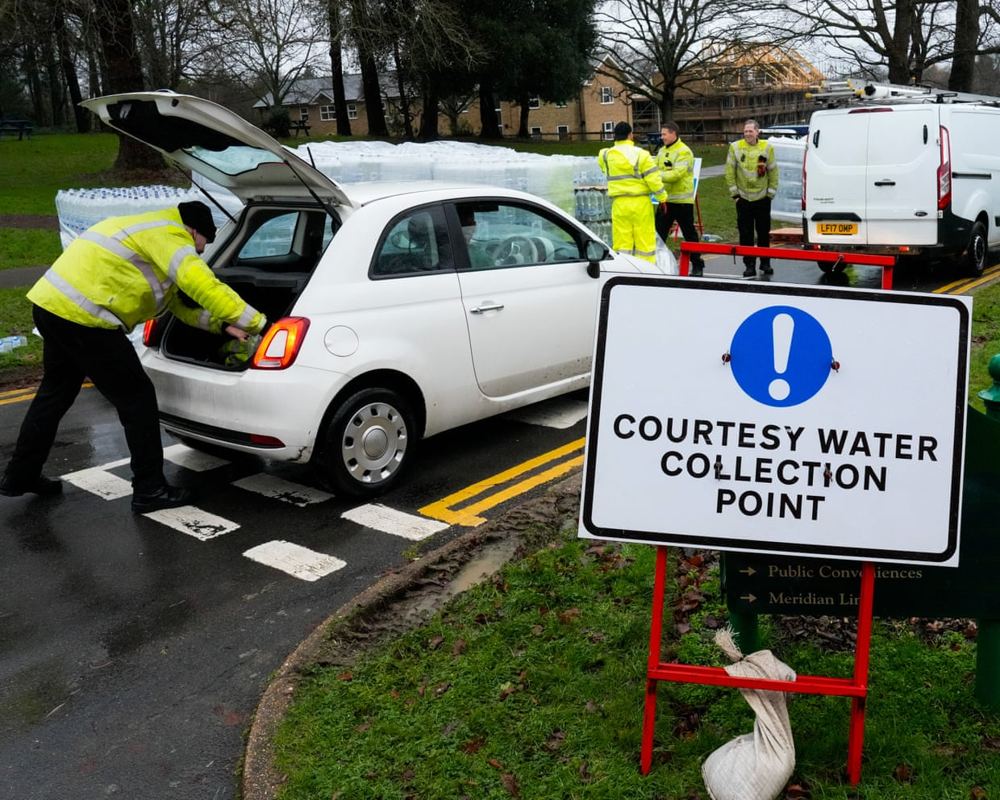
South East Water has warned there is "material uncertainty" over its ability to continue operating, highlighting the deepening financial crisis in England's privatised water sector as lenders and international investors hesitate to commit fresh capital.
South East Water has warned there is “material uncertainty” over its survival after posting a £33m annual loss and revealing it will need new debt facilities shortly after July 2027. The supplier, which provides water to 2.4 million people across southern England, said in its annual report that it has enough cash to last until that date. However, “discussions with lenders to provide funds are at an advanced stage and are expected to conclude over summer 2026” but are not legally committed.
The dire financial position comes despite revenues jumping from £285m to £352m. This increase followed a 7% tariff rise approved by industry regulator Ofwat. Instead of translating into stability, the extra income was swallowed by operational failures and a £30.5m regulatory redress package imposed this week for severe supply outages.
Those outages, which left customers in Kent and Sussex without water between November and January, led to the forced resignations of chief executive David Hinton and chair Chris Train. Hinton still received £488,000 in total pay for the year, up from £458,000 previously. He did forgo his bonus under political pressure and will not receive a £400,000 long-term service award that was due if he stayed until 2030.
The ownership structure illustrates the cross-border nature of European utility debt. South East Water is backed by the NatWest Group Pension Fund, the Utilities Trust of Australia, and Canada’s Desjardins cooperative financial group. These investors injected £75m in December 2024 and another £200m in May 2025. Yet, because this shareholder funding is not yet legally locked in, the directors stated that the risk the funding would not be received “constituted a material uncertainty”.
This internal optimism clashed with market reality. The company's risk and audit committee judged it would retain its investment-grade credit rating. Days later, Moody’s Investor Service downgraded the utility to junk status, suggesting there was a higher likelihood of the company defaulting on its debt payments.
The crisis carries implications far beyond South East Water. Incoming prime minister Andy Burnham is already weighing whether to place Thames Water into special administration, a form of temporary nationalisation. The struggle of a regional monopoly to secure legally binding loan facilities highlights a broader breakdown in the financial model of England’s privatised water sector, leaving international debt holders exposed to further downgrades.