Austrian building costs climb 5.4% as inflation squeezes developers
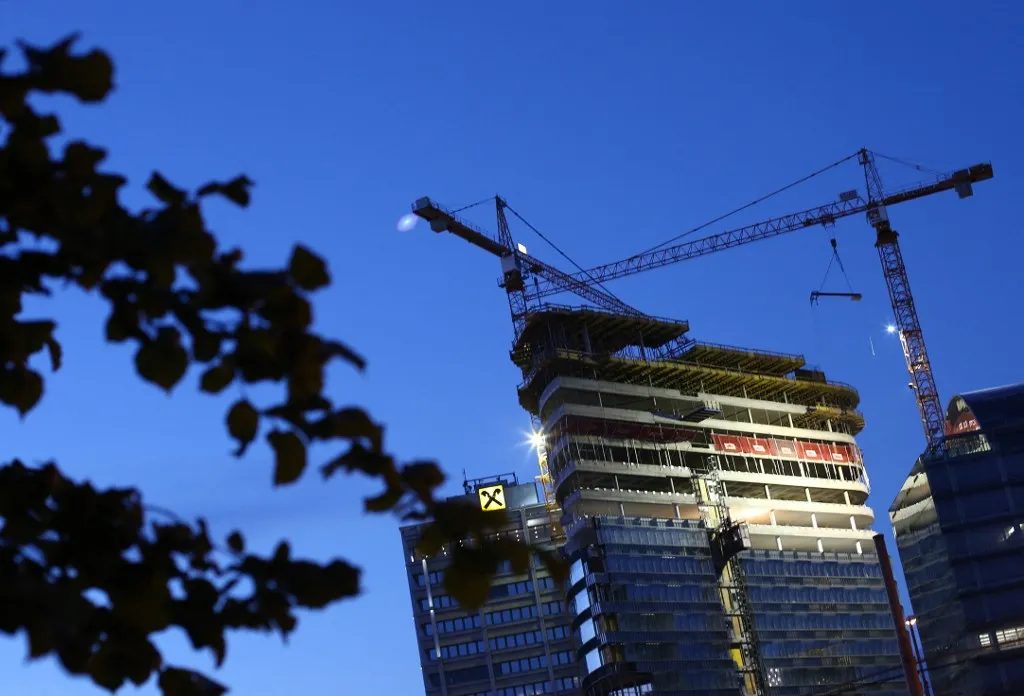
A 5.4 percent annual rise in Austrian construction costs is threatening to squeeze developer margins, delay projects, and upend renovation budgets across the country.
Construction costs in Austria were 5.4 percent higher in June 2026 than a year earlier, according to Statistics Austria. The residential construction cost index reached 105.8 points, based on a 2025 baseline of 100. While costs dipped slightly by 0.1 percent between May and June, this minor monthly correction did little to offset the broader annual inflation.
This persistent rise in the cost of labour and materials presents a direct challenge for the Austrian property sector. In a weak property market, developers often cannot pass these higher costs onto buyers. The burden instead eats into profit margins or leads to delayed projects, though some new builds will inevitably become more expensive.
It is important to distinguish between construction costs and property prices. The Baukostenindex tracks only what builders pay for inputs, not what buyers pay for finished homes. Actual property prices remain dictated by location, mortgage rates, land costs, and overall supply and demand.
Risks for buyers and renovators
The gap between historical budgets and current costs creates specific dangers for anyone buying an off-plan property. Purchase contracts may contain clauses allowing price adjustments tied to the construction cost index. Buyers must also scrutinise whether extras like kitchens, flooring, or parking spaces are priced at current rates if selected later in the build process.
Renovators face even more direct exposure to these rising costs. A cost estimate prepared months ago may now fall short, particularly for projects requiring multiple contractors or expensive materials. Property owners should insist on detailed, fixed-price offers that clearly break down labour, materials, VAT, and additional charges, while confirming how long the quote remains valid.
The hidden danger for apartment owners
The impact of construction inflation extends well beyond those actively building or renovating. Buyers of owner-occupied apartments must assess the financial health of the entire building, not just their individual unit. Owners are collectively responsible for maintaining shared elements like roofs, façades, and lifts through a repair reserve known as the Rücklage.
If this reserve is too small to cover necessary major works at today's inflated prices, the owners’ association may be forced to take out a repair loan or demand sudden, additional payments from residents. Prospective buyers should demand to see the current reserve level, recent meeting minutes, and any existing repair debt before committing to a purchase.