Phishing attacks exploit France's new barrier-free motorway tolls
Criminals are exploiting France's shift to barrier-free motorways by sending fake penalty notices to steal bank details, forcing toll operators to clarify their digital payment protocols.
Criminals are exploiting France’s expanding network of barrier-free motorways to steal bank details from unsuspecting drivers. Fraudsters are currently sending mass phishing text messages and emails that impersonate major toll operators like Vinci Autoroutes and the Ulys electronic toll service. The messages falsely claim that an immediate payment is required for an overdue toll charge.
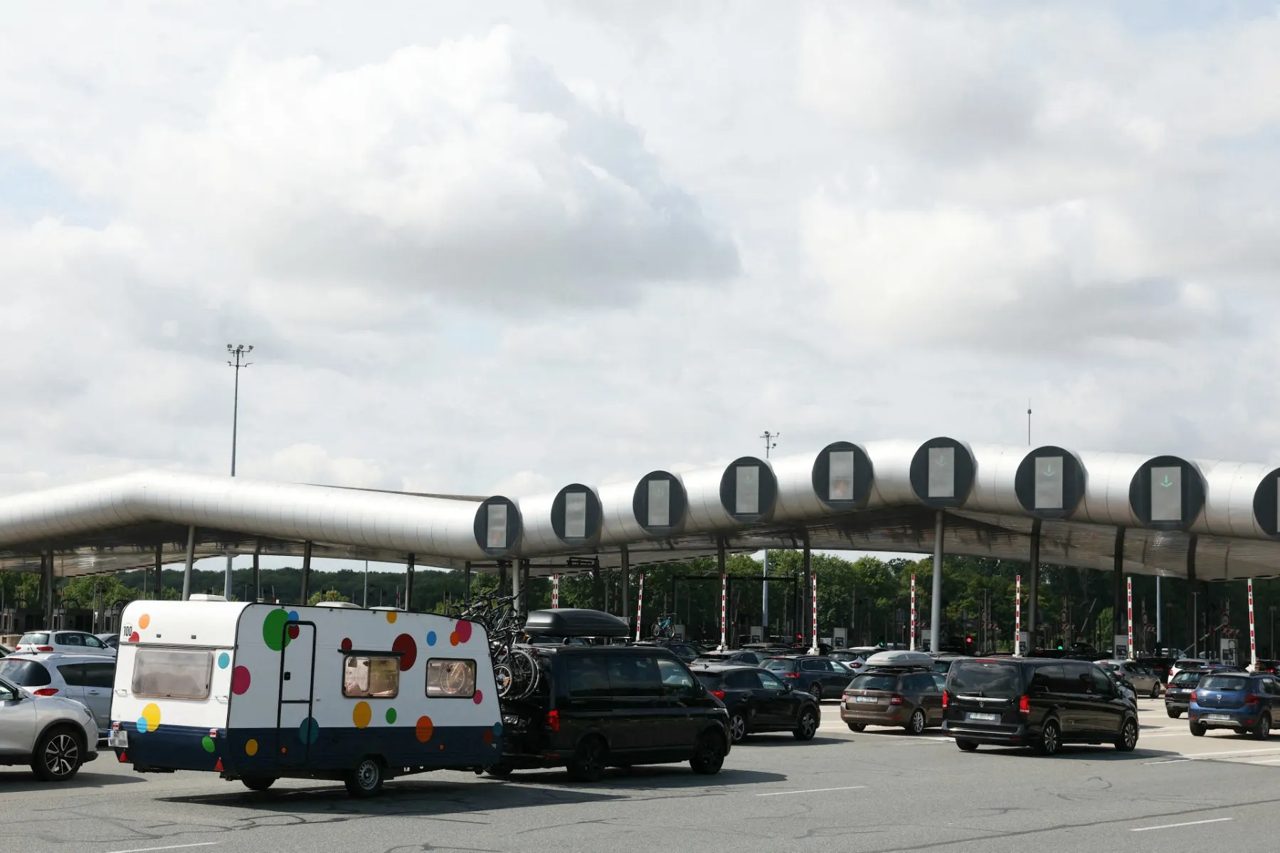
The scam directly targets the digital infrastructure of France's new free-flow tolling system, which has been introduced on several major routes including parts of the A13, A14, A79 and A4 motorways. Unlike traditional roads, these barrier-free sections use overhead cameras to record vehicle number plates as drivers pass at full speed. Motorists are subsequently expected to go online to settle their dues.
This shift to a post-payment model has created an opportunity for cybercriminals. Drivers generally have a 72-hour window to pay before penalties apply. The fine structure is strict, starting at €10, rising to €90, and eventually reaching €375 if a payment remains outstanding for more than two months. Scammers weaponise this escalating penalty system to panic drivers into acting quickly without verifying the source.
Victims who click the links in these fraudulent messages are directed to highly convincing fake websites. These pages closely mimic the official payment portals of legitimate motorway operators. The sites typically demand a relatively small sum, often around €10, but trick users into handing over their bank card details in the process.
For the motorway operators managing this transition to digital infrastructure, the phishing campaign presents a tangible risk to consumer trust. Sanef, one of France's primary motorway companies which manages the A13 and A14 free-flow sections, has been forced to issue public clarifications. The company explicitly states that it does not contact drivers via text message or email to request toll payments.
Operators are stressing that under no circumstances should motorists make payments to Ulys. Legitimate online payments for free-flow tolls can only be processed through the Sanef website for the A13 and A14, or the Aliaé website for the A79. Drivers who receive a suspicious message are advised to ignore the link and log directly into their official accounts to check for actual outstanding charges.
To reduce the risks inherent in the online payment system, authorities are reminding drivers of offline alternatives. Motorists can choose to settle their free-flow toll payments in person at authorised Tabacs operating within the Nirio payment network. Ulys has also published detailed guidance on its website to help consumers identify fraudulent emails, text messages and websites.
French authorities are treating the wave of fraud seriously. Anyone who receives a suspicious toll payment request is advised to forward the message to 33700, which is France's free national reporting service for spam and fraudulent text messages, before permanently deleting it.