EU extends free carbon permits to 2038 in ETS overhaul
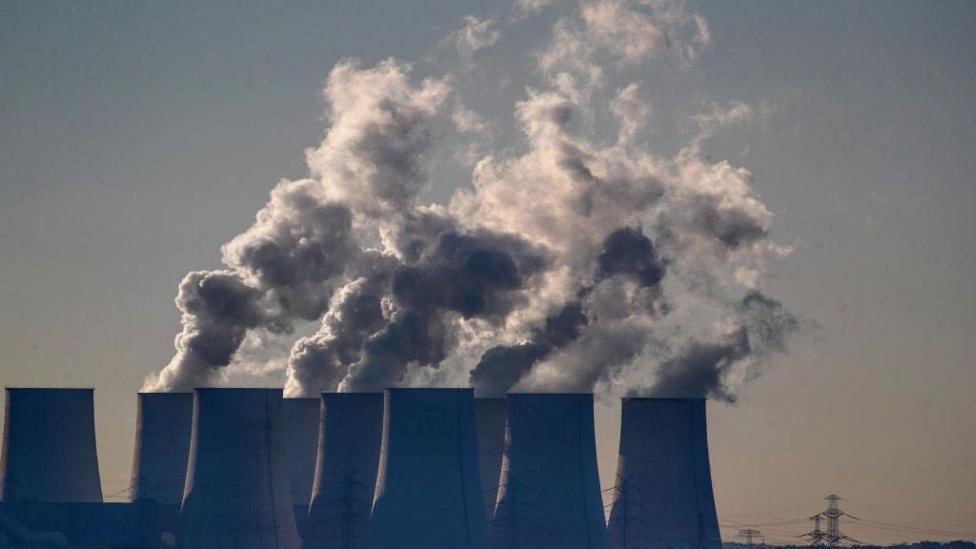
The European Commission has proposed relaxing emissions trading rules to lower near-term costs for industry, extending free carbon permits by four years in a major shift in climate policy.
The European Union has unveiled plans to slow the rate at which businesses must cut their greenhouse gas emissions. The proposal alters the bloc’s emissions trading system (ETS), effectively giving industries more time to reduce their carbon output by relaxing the pace at which the cap on permits shrinks.
Under the current system, introduced in 2005, companies must buy a permit for every tonne of carbon dioxide they emit. The Commission wants to reduce the annual rate at which this cap is lowered. It would fall to 3.7% from 2031 and 1.7% from 2036, down from the current 4.3%.
The changes also extend the availability of free permits, which help domestic firms compete against foreign rivals without carbon costs. Instead of phasing them out by 2034 to make way for a carbon border charge, free allowances would now last until 2038. Companies committing to European decarbonisation investments could receive 80% of these permits up front, getting the remaining 20% once those investments are made.
The overhaul addresses mounting political pressure from member states that view the ETS as an economic burden. Italy has previously condemned the trading scheme as a de facto tax keeping energy prices artificially high. EU climate commissioner Wopke Hoekstra framed the shift as pragmatic. "We are adopting a more business-friendly and, may I say so, savvy approach," he said.
The legislation requires approval from EU countries and lawmakers, a process likely to take a year. Poland is already positioning itself to push for even weaker rules. "For the first time, we are seeing a softening of the stance rather than a toughening of it - this is a huge success for Poland," said Polish climate minister Paulina Hennig-Kloska. "Although we will fight for more."
The Commission maintains the adjusted ETS aligns with the bloc's target to cut emissions by 90% by 2040 compared to 1990 levels. However, environmental lawmakers warn the slower trajectory has tangible consequences. German member of the European Parliament Michael Bloss warned the plans would result in "gigantic climate pollution" and a worse quality of life for the next generation.
This policy relaxation arrives as Europe faces the physical realities of a rapidly warming continent. More than a dozen European countries broke June temperature records this year, with Hungary, the Czech Republic and Germany all experiencing temperatures above 40C.