EU overhauls carbon market, ties free allowances to decarbonisation plans
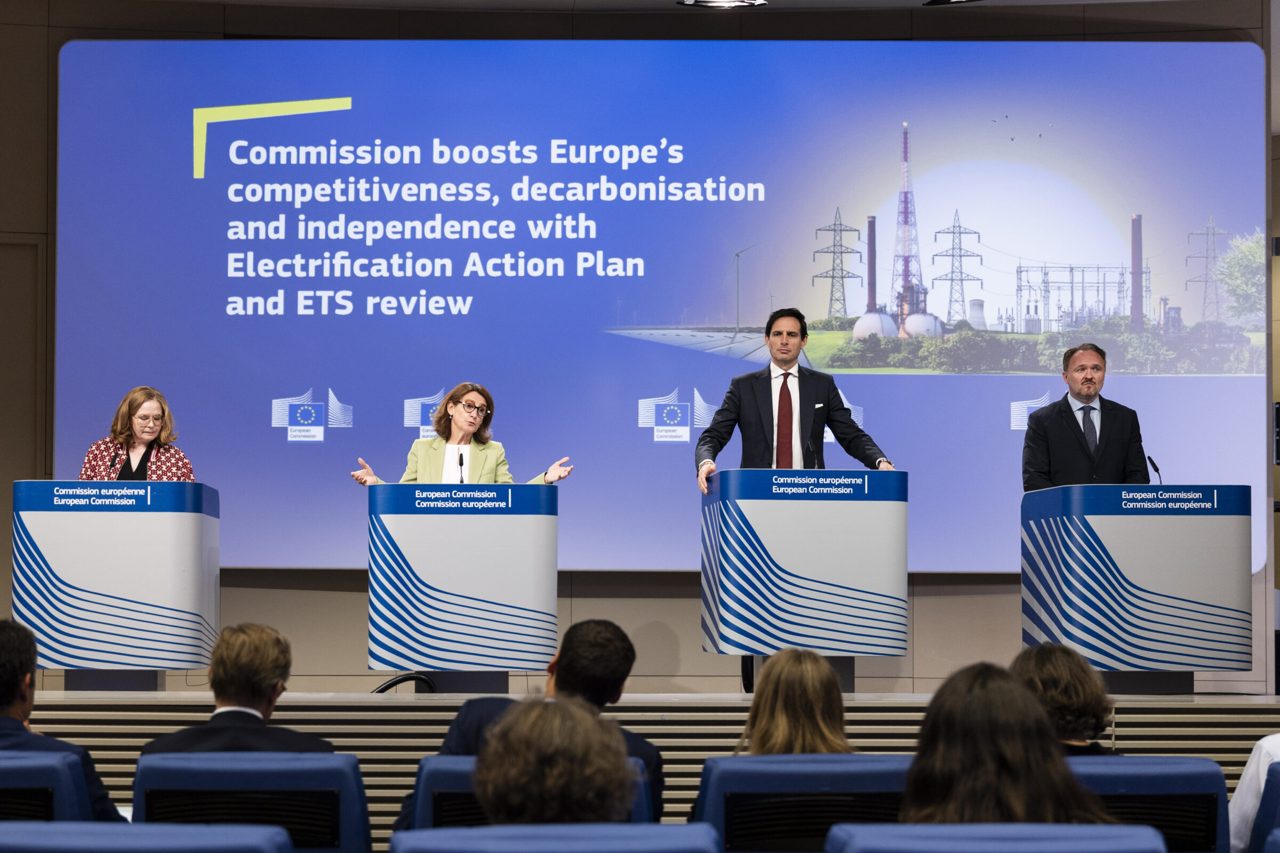
The European Commission has announced a sweeping reform of its emissions trading system that forces short-haul airlines to pay for carbon from 2029 and links industrial free credits to verified green investments, a move set to reshape corporate decarbonisation costs across the continent.
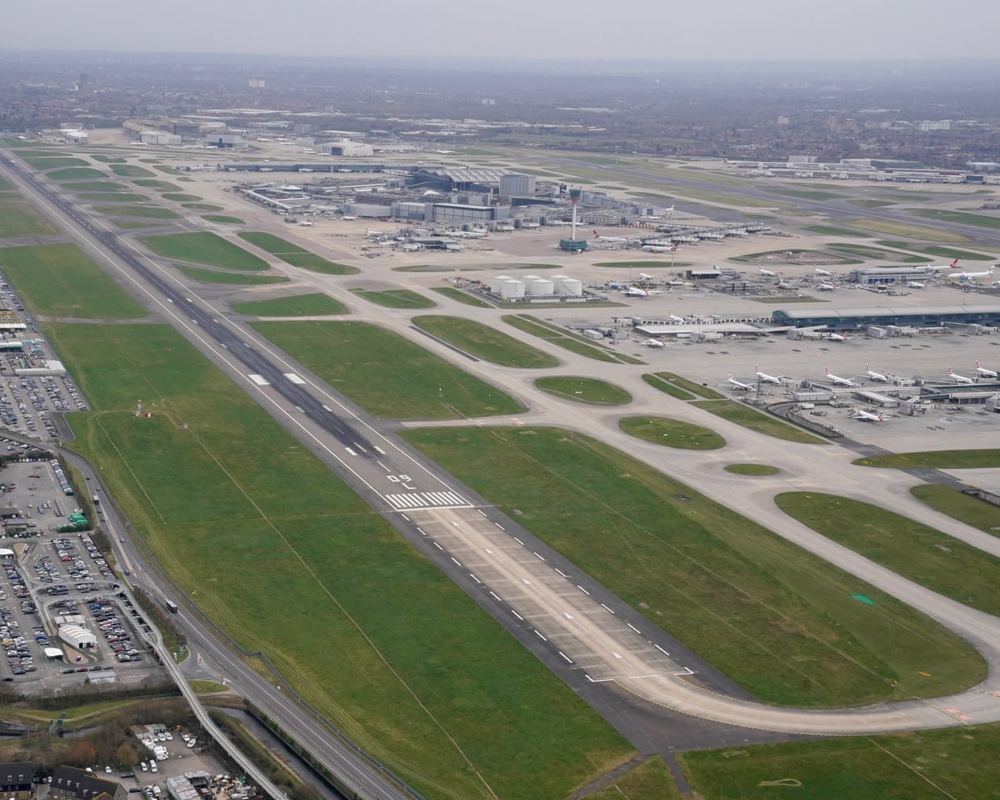
The European Commission announced a major overhaul of the EU Emissions Trading System on 17 July, introducing strict new conditions for industrial free credits and expanding carbon costs to short-haul aviation. Under the proposal, international flights arriving from destinations within 5,000 km must pay for their CO2 emissions starting in 2029.
For industrial companies, the reform fundamentally changes how free emissions allowances work beyond 2030. Businesses will now receive 80 percent of their free allowances only after publishing a board-approved decarbonisation investment plan. The remaining 20 percent will be withheld until companies can prove they have actually delivered the investments and corresponding emissions reductions.
This marks a significant shift in how Brussels balances climate targets with industrial competitiveness. Climate commissioner Wopke Hoekstra framed the reform as “bringing together ambitious climate action with competitiveness,” arguing it would reward companies that have already invested in green technology.
The aviation measure addresses a specific market imbalance. “Aviation is the only major sector where emissions are going up rather than down. At the same time, the EU faces a level playing field issue: currently ETS only covers the EEA [European Economic Area] and quite a few countries, particularly in the Gulf, subsidise their airlines,” Hoekstra told reporters.
National governments will also face new constraints on how they spend carbon revenues. Member states currently receive about 80 percent of all ETS revenues, but less than 10 percent of that share is spent on industrial decarbonisation. The commission will now require governments to direct 50 percent of their national ETS revenues toward decarbonising ETS sectors. “Emissions trading makes polluters pay while generating the revenues needed to invest in our future,” said commission vice president Teresa Ribera.
A divisive record
The commission points to the ETS as a proven mechanism, noting it has generated €270bn and reduced CO2 emissions by roughly 50 percent across electricity, transport and manufacturing since 2005. Despite this, the policy remains divisive, with ongoing disputes over the pace of reductions and which sectors are covered.
The proposal now moves to the European Parliament and the EU Council for amendments, where a heavy lobbying effort is expected. “Together, these initiatives point Europe's economy in one clear direction: towards a future that is cheaper, greener, fairer, more competitive and more secure,” Ribera said.