Palantir CEO forecasts $300bn fortune as AI widens wealth gap
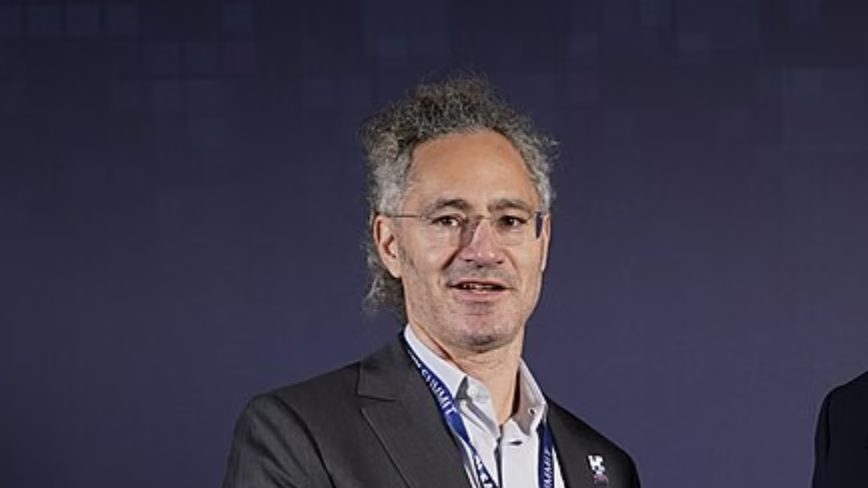
Alex Karp has predicted artificial intelligence could swell his personal fortune to $300 billion while only doubling middle-class salaries, raising fresh alarms across Europe about structural wealth concentration and potential state intervention in the tech sector.
Alex Karp, chief executive of the data analytics firm Palantir, estimated that AI could make him “20x wealthier,” pushing his net worth toward $300 billion from roughly $15 billion today. Middle-class workers, he told the MDMeets podcast, might simply see their salaries double over the next decade. He described the dynamic as “a complete decoupling of unimaginable wealth and normal wealth” and labelled it “a problem for society.”
The admission is striking because Palantir’s roughly $322 billion market valuation is directly powered by the AI demand driving this concentration of capital. Karp noted the wealth is being captured by “people you don’t really relate to, like very oddly shaped IQ specimens that you probably wouldn’t want to have over for dinner.” He also criticised the current overselling of AI capabilities as “disconcerting” and “depressing.”
For European investors, the most significant risk embedded in these comments is the threat of regulatory backlash. Karp has previously predicted the full nationalisation of AI companies as political pressure over concentrated wealth intensifies. Such a scenario would represent a seismic shock to the tech valuations that dominate global equity markets.
Karp is not an isolated voice on this trajectory. BlackRock CEO Larry Fink asked at Davos “what happens to everyone else if AI does to white-collar workers what globalisation did to blue-collar workers,” noting that early AI gains are “flowing to the owners of models, owners of data and owners of infrastructure.” Nobel-winning researcher Geoffrey Hinton was blunter: “Rich people are going to use AI to replace workers. That’s not AI’s fault, that is the capitalist system.”
The macroeconomic backdrop makes these warnings difficult for policymakers to ignore. Global billionaire wealth surged 16% in 2025 to $18.3 trillion, according to Oxfam, growing three times faster than the five-year average, while Elon Musk briefly became the world’s first trillionaire this year. The question for European governments is no longer whether AI will concentrate wealth, but whether they will act before the gap becomes structural, a tension already visible when Samsung’s chip workers nearly struck over AI profit sharing in South Korea in May.