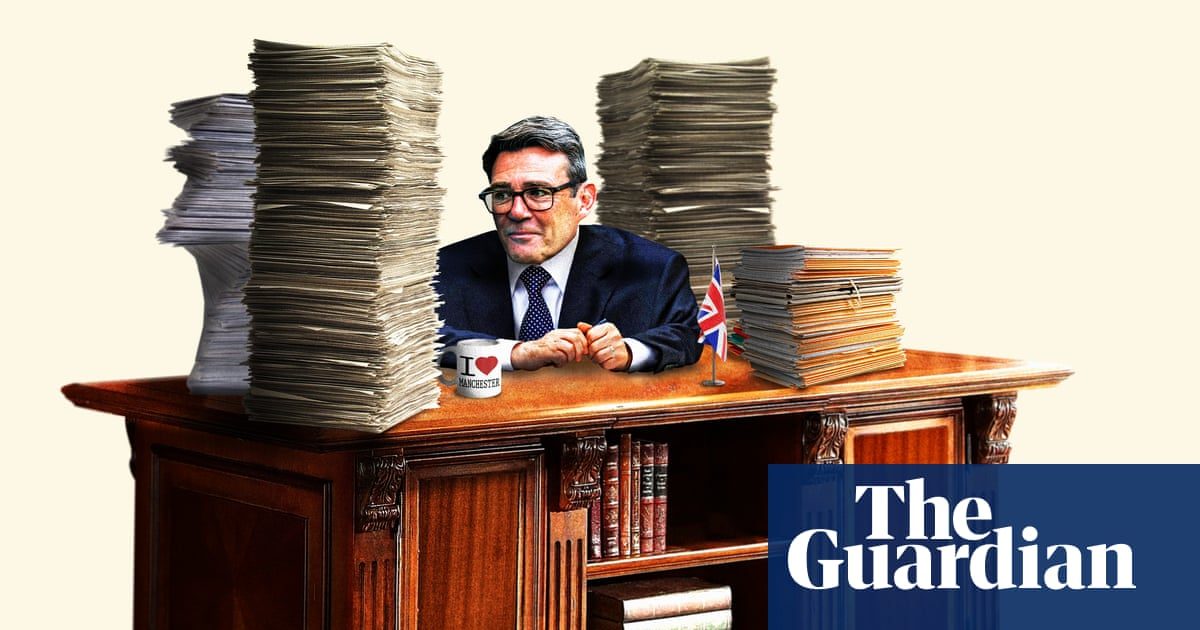
Andy Burnham becomes UK's fifth prime minister in four years
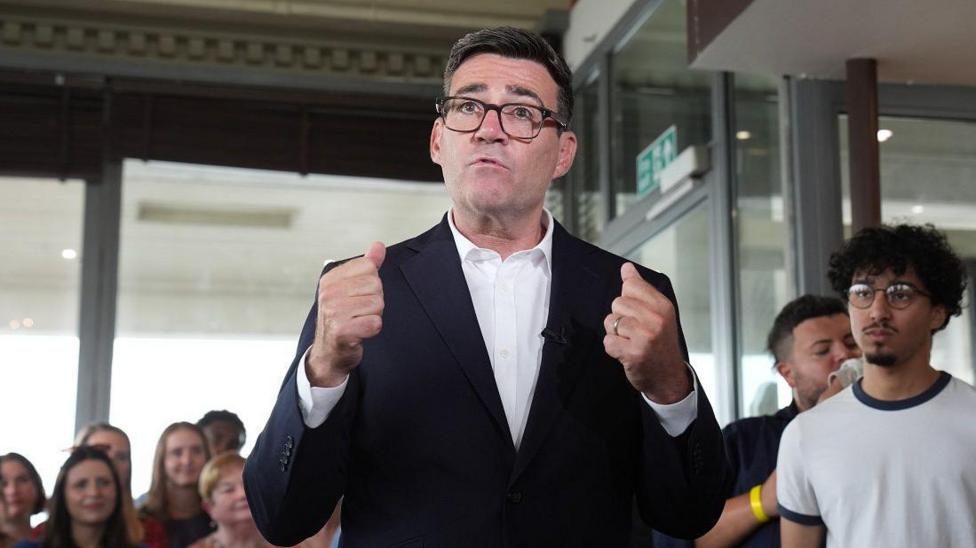
The UK is getting its fifth prime minister in four years as Andy Burnham takes over from Keir Starmer, raising fresh questions about political stability just as the new leader prepares a rapid policy reset.
Andy Burnham is preparing to enter 10 Downing Street on Monday after Keir Starmer confirmed his departure, ending a leadership transition that unfolded with unusual speed. A removal van was spotted at the prime minister's residence ahead of Starmer's morning exit. No candidate formally challenged Burnham to replace him, bypassing a potentially drawn-out internal contest.
For European businesses and investors, Burnham's arrival marks another abrupt shift in a country that has now cycled through five leaders in just four years. While the unopposed handover avoids the market volatility of a protracted leadership battle, the revolving door at the top of the British state continues to test the patience of European partners. Cross-border trade and investment require stable regulatory frameworks, something Westminster has struggled to provide recently.
Burnham's ascent is the culmination of a 16-year pursuit of the premiership, having previously contested the Labour leadership in 2010 and 2015. As recently as January, he was barred from standing as a Labour parliamentary candidate by the man he is now replacing. The speed of his final elevation caught even his own team off guard, with one supporter admitting "it's still felt like a rush in the last few weeks."
The new prime minister is planning a blitz of announcements and appearances in his opening days to signal momentum. He has already begun receiving national security briefings and is holding access talks with the civil service about his early agenda. His immediate domestic priority is reported to be reforming social care in England, though his government remains bound by the Labour manifesto published two years ago.
Burnham is spending this weekend finalising his cabinet, an exercise in organisational jenga involving 149 ministerial posts currently held by 122 people. Serving ministers have been kept in the dark, with some making private cases for continuity while others accept they are leaving. The final selections will dictate the new government's economic outlook and diplomatic tone toward Europe, testing Burnham's claim that he personifies "the most significant change" in British politics in four decades.