Seventh night of US-Iran strikes sinks Hormuz reopening deal
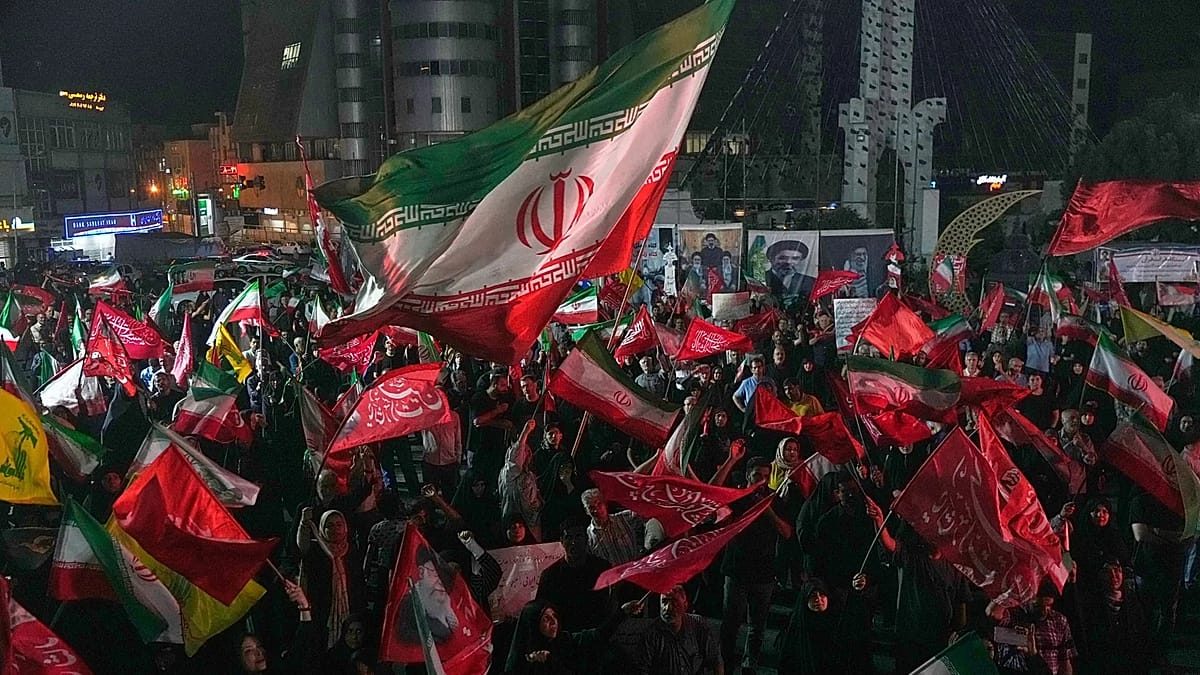
A seventh night of US airstrikes on Iran has collapsed a provisional deal to reopen the Strait of Hormuz, ensuring continued turbulence in the energy markets that European economies rely upon.
US military forces targeted Iran for a seventh consecutive night on Friday, deliberately shattering a fragile diplomatic agreement aimed at resolving the conflict. Fighter jets, drones, and warships executed the operation, which United States Central Command said focused on degrading Iran's military infrastructure.
In a statement posted to X, CENTCOM confirmed its forces "hit surveillance sites, military logistics infrastructure, underground weapons storage, and maritime capabilities." The military command also released video footage appearing to document these strikes. CENTCOM added that it "continues to hold Iran accountable at the Commander in Chief's direction while fully enforcing a naval blockade against Iranian ports."
Iranian forces retaliated by targeting American allies and military installations across the region. Iran's Fars state news agency reported attacks on the Ali Al Salem airbase in Kuwait, alongside strikes on a number of communication sites located in Bahrain. Kuwait's army issued a statement on Saturday morning confirming that local air defences were actively facing "hostile missile and drone attacks." Further north, Jordan's military reportedly intercepted 10 Iranian missiles during the early hours of Saturday.
The collapse of the June "memorandum of understanding" carries severe implications for European markets. Under the terms of that provisional agreement, the two nations had committed to a complete cessation of hostilities. The US was scheduled to lift its naval blockade of Iranian ports. In return, Tehran was expected to reopen the Strait of Hormuz and formally reaffirm that it "shall not procure or develop nuclear weapons." The memorandum provided a strict 60-day window for both sides to achieve a final deal.
Those peace talks have now faltered entirely due to the renewed fighting. Shipping traffic in the Strait of Hormuz remains at reduced levels, with Iran effectively keeping the waterway closed since the conflict's outbreak in February. Because the strait is one of the world's key oil and gas transit chokepoints, its continued closure locks in the turbulence in energy markets that Europe has faced for months.