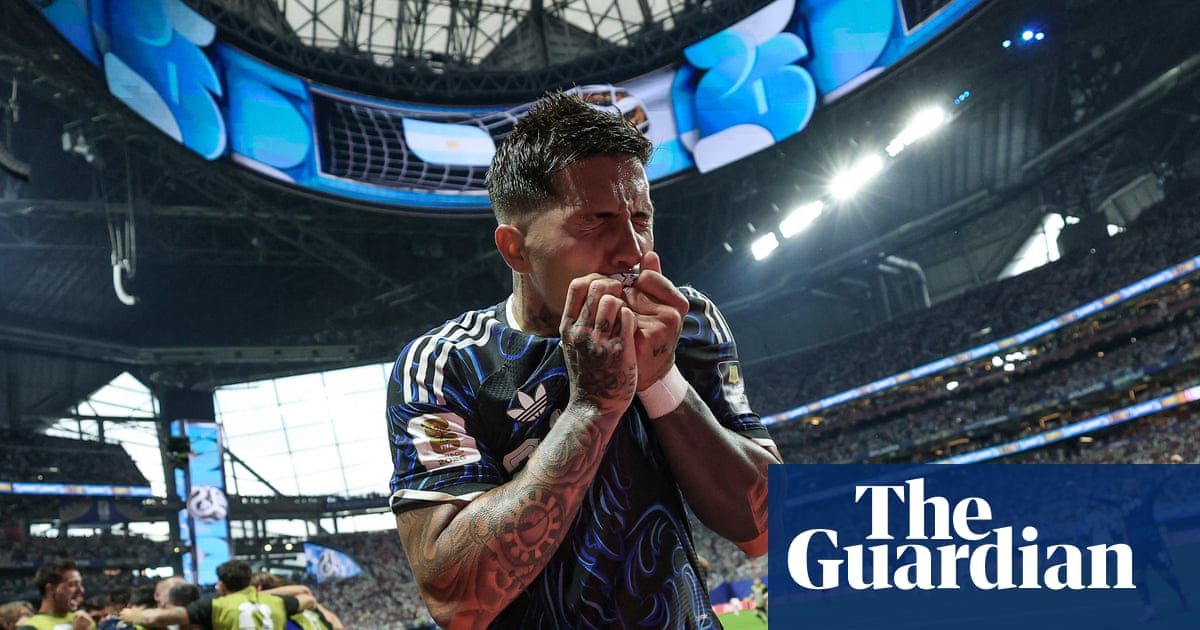
Expanded World Cup rewrites the rulebook, European football takes note
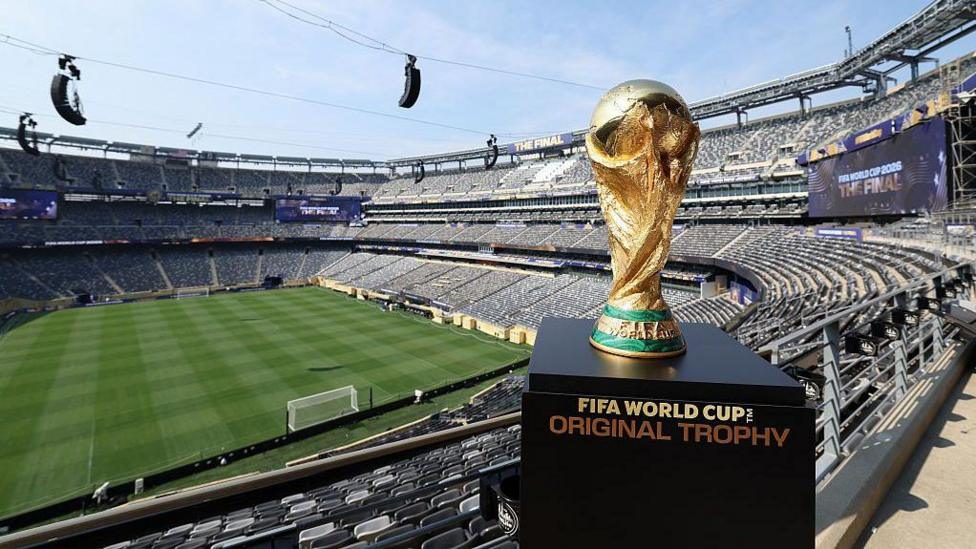
FIFA's 48-team tournament generated record revenues through mandatory commercial breaks and high ticket prices, but its structural experiments and political interference offer cautionary lessons for European leagues.
The 2026 World Cup in the United States, Mexico, and Canada concluded as the first 48-team tournament in the competition's history. It delivered record attendances, with FIFA reporting 6,527,410 fans and stadiums operating at 99.7% capacity despite sky-high ticket prices.
Those ticket prices, coupled with a 30% fee on FIFA's secondary resale platform, drew a subpoena from the attorneys general of New York and New Jersey. Yet the most significant commercial innovation was the mandatory three-minute hydration break in every match.
Even in air-conditioned stadiums, these stoppages functioned as tactical timeouts, allowing broadcasters to run advert blocks. With US television ad slots costing up to $750,000 during later rounds, the financial incentive was clear, but the move drew loud boos from supporters.
European football will not be following this commercial model. UEFA has already ruled out mandatory hydration breaks, resisting the insertion of American-style television timeouts to preserve the uninterrupted flow of domestic matches.
However, European leagues will have to adopt Pierluigi Collina's stricter officiating laws next season. The FIFA refereeing chief successfully increased the proportion of ball-in-play time from 57.4% in 2022 to 60.4% this year by clamping down on time-wasting.
The expanded format itself offered mixed results. Seventy-two group matches were required to eliminate just 16 teams, leaving a largely dull group stage saved only by debutants like Cape Verde. Furthermore, FIFA's use of head-to-head tie-breakers incentivised passive play, with Australia-Paraguay and Austria-Algeria playing out mutually beneficial draws.
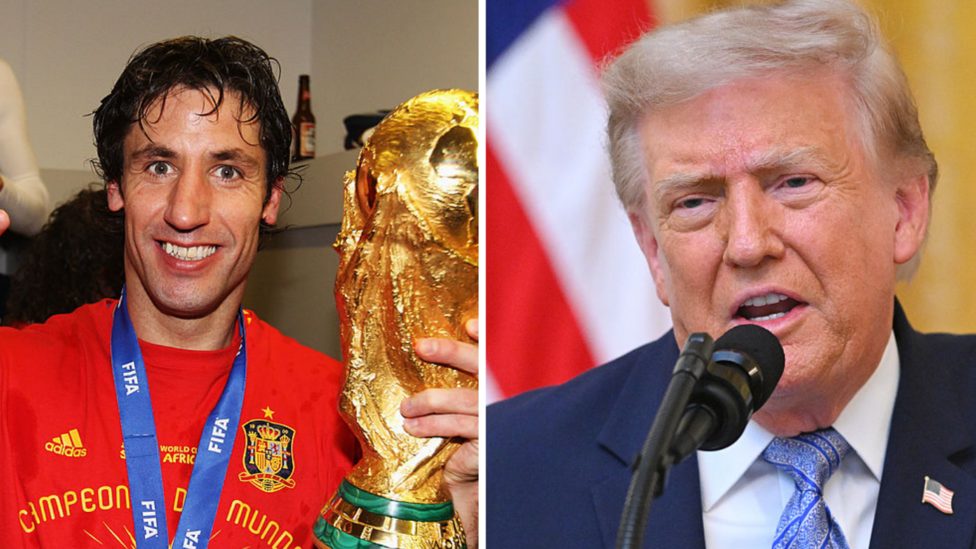
Off the pitch, the tournament raised serious governance concerns. Political interference peaked when US President Donald Trump intervened to get Florian Balogun's suspension overturned, a decision the FIFA disciplinary committee enacted by suspending the ban for 12 months.
Visa issues and restricted entry for teams like Iran further politicised the event, while VAR inconsistencies in the knockout stages led to formal complaints from the Egyptian Football Association. For European administrators, the 2026 tournament serves as both a financial blueprint and a structural warning.