England football defeats drive 38% spike in domestic abuse
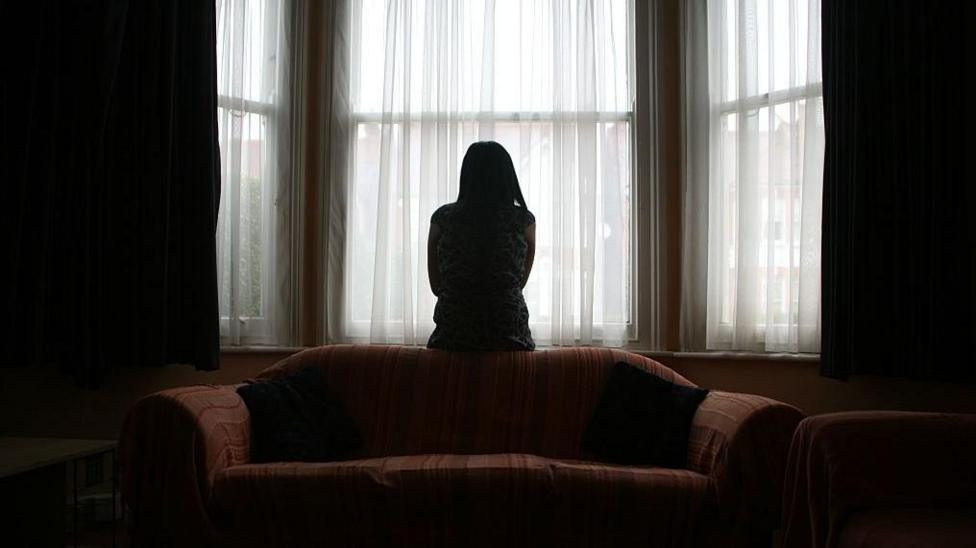
England’s World Cup elimination has again exposed a public safety crisis, with domestic abuse reports surging by more than a third whenever the national team loses.
England's exit from the World Cup semi-final against Argentina in Atlanta on Wednesday has brought renewed attention to a severe societal toll accompanying the tournament. Research indicates that domestic abuse incidents spike significantly whenever the national team plays.
According to Lancaster University, domestic abuse rises by 26% when England plays and by 38% when the team loses. During Euro 2024, the National Police Chiefs' Council recorded more than 300 domestic abuse offences where victims directly linked the perpetrator's behaviour to the football.
Rebecca Goshawk, who works at the domestic abuse charity Solace, noted that this violence is rarely an isolated incident triggered solely by a match. "For very few women will this be a one-off experience, because of a football tournament. It'll be a pattern that they're used to," she said. She predicts the 2026 World Cup will yield similarly high numbers, as underlying rates of misogyny and abuse remain unchanged.
Solace places the responsibility squarely on perpetrators rather than the sport itself. Goshawk explained that increased alcohol consumption often heightens feelings of disappointment, which can then escalate into aggression. "They're being shouted at. They're being belittled. They're being told they're useless. It can be as strong as physical violence against women, whether that's being hit or kicked," she said.
The legal system is actively preparing for the fallout. The Crown Prosecution Service currently brings charges in four out of every five police referrals for these cases. Olivia Rose, the CPS's National Stalking Lead, warned that the abuse extends well beyond physical violence to include coercive and controlling behaviour.
"What our prosecutors see can include monitoring of victims' phones and social media, often inundating them with dozens of messages. There's also emotional blackmail, such as threatening to kill themselves if their partner leaves," Rose said.
Both authorities and charities are urging communities to intervene. Goshawk called on men who do not commit violence to challenge abusive behaviour within their friendships and families. Rose stressed that victims will be supported if they come forward, noting that people should look out for vulnerable neighbours. "The World Cup should bring communities together, and it should never be an excuse to fuel abusive behaviour," she said.
Anyone in immediate danger should call 999, while non-emergency reports can be made to police on 101. Confidential support is available via the National Domestic Abuse Helpline on 0808 2000 247 in England, the Live Fear Free helpline on 0808 80 10 800 in Wales, or Solace's advice line on 0808 802 5565.