UK's Burnham expected to approve new North Sea drilling
The incoming British prime minister is poised to break a key election pledge by authorising new oil and gas extraction, a move that will test Labour's climate credentials but is unlikely to lower European energy prices.
Andy Burnham is expected to lift restrictions on new North Sea oil and gas drilling when he takes office on Monday. A decision to grant new licences would directly contradict the 2024 Labour manifesto, which promised to honour existing licences but block new ones.
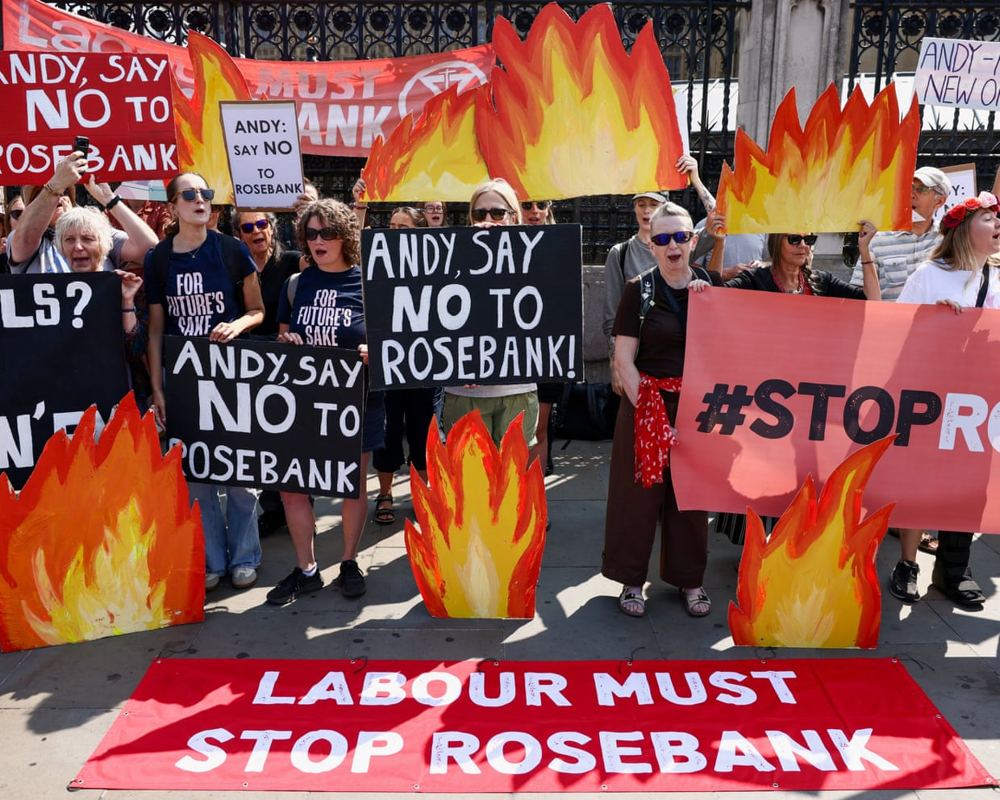
The immediate debate centres on the Rosebank and Jackdaw sites off the north-eastern coast of Scotland. Licences for these developments were originally approved by the previous Conservative government but were overturned last year by a Scottish court requiring a deeper environmental review.
Burnham faces heavy internal pressure from trade unions and some Labour MPs, who argue that backing the sector signals that the country remains committed to manufacturing. He is also facing external political pressure from the Conservatives and Reform UK to approve new extraction.
For European energy markets, the policy shift is likely to have minimal practical impact. Greg Jackson, chief executive of Octopus Energy, noted that the UK is “highly integrated” with European and global markets, meaning new North Sea gas licences would have little influence on regional prices. The previous Conservative government also recognised this limited pricing power; former energy secretary Claire Coutinho admitted in 2023 that new licences “wouldn’t necessarily bring energy bills down”, though she maintained they would improve supply security.
The expected reversal exposes a deep rift within Labour over the pace of the energy transition. Ed Miliband, the current energy secretary and a Burnham ally tipped for a senior cabinet role, has previously described the Rosebank licence as “climate vandalism”. Green party MP Adrian Ramsay warned that approving new drilling is the wrong response to extreme weather.
“The science is clear: if we are serious about limiting climate breakdown, we cannot keep opening up new fossil fuel projects,” Ramsay said. “Greens support a just transition that protects workers and communities while accelerating investment in renewable energy, not doubling down on the fuels driving the crisis.”
The marginal economic benefit of new drilling is further illustrated by historical data. It was reported in March that hundreds of new North Sea licences granted over 14 years of Conservative rule produced just 36 days of gas. Burnham’s broader policy agenda, to be unveiled on Monday, includes taking water and energy companies under public control and initiating a major council-house building programme.