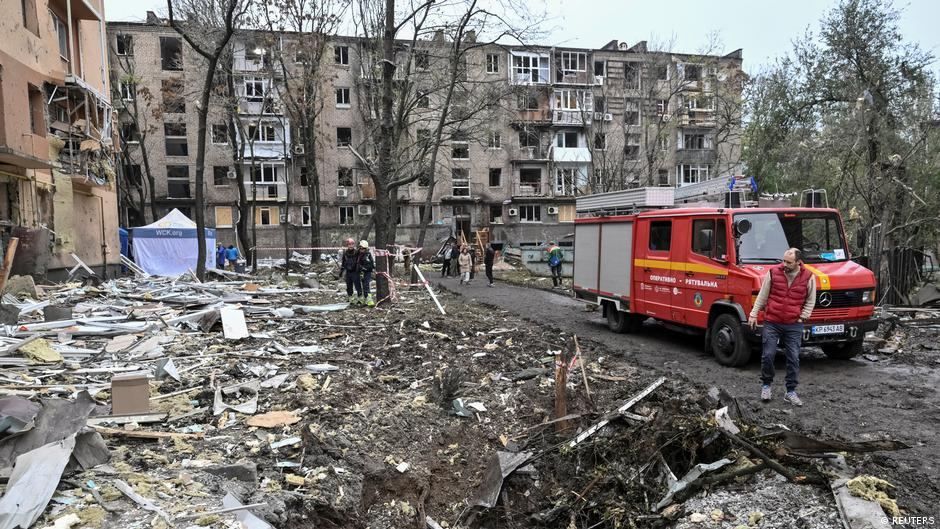
Widdecombe killing exposes Europe's lone-actor threat
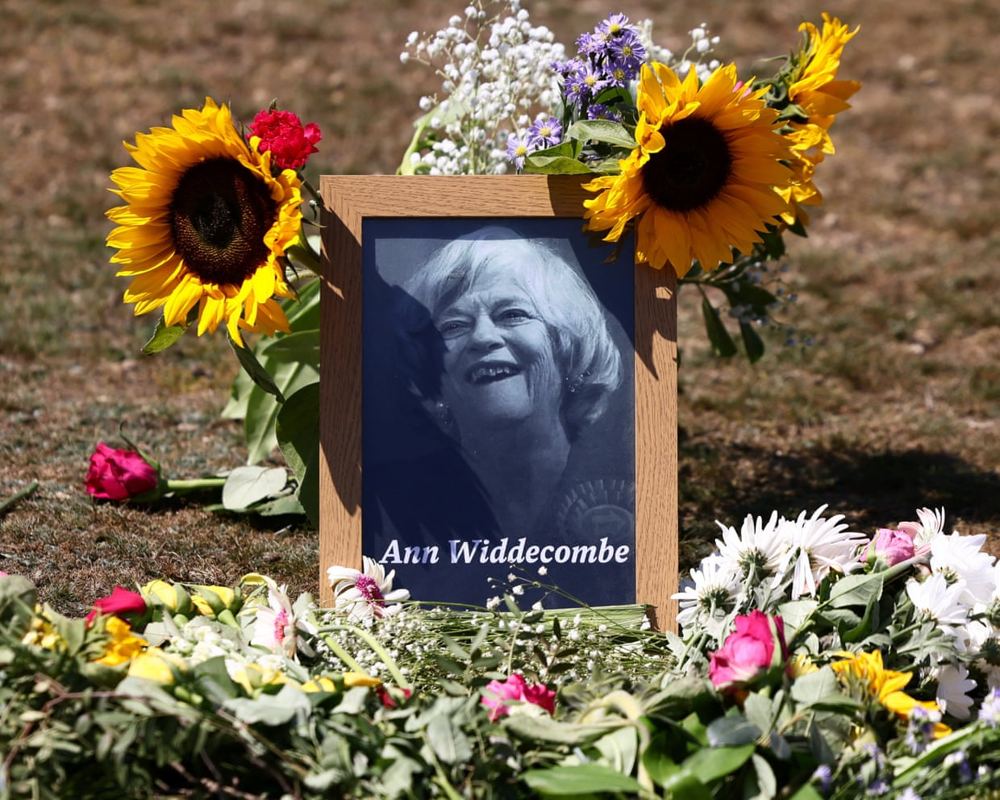
The murder of British politician Ann Widdecombe has exposed a rapid, cross-border surge in lone-actor violence against European officials that threatens institutional stability and the democratic foundations of the single market.
Ann Widdecombe, a 78-year-old former UK government minister and spokesperson for the radical-right Reform UK party, was found dead at her home on 9 July. Police have arrested a man in South Yorkshire who is suspected of driving 270 miles to cause her catastrophic blunt-force injuries. Authorities believe he acted alone and are investigating whether a leftwing or single-issue motive spurred the attack.
The killing is not an isolated event but part of a worsening European trend. Germany recorded 5,140 politically motivated offences against politicians in 2025, almost double the 2,790 logged in 2023. France’s interior ministry recorded about 2,500 incidents last year, but more than 1,500 in just the first five months of 2026, with local mayors making up 64% of victims. Across Europe, violence and intimidation against local officials jumped by 46% between 2024 and 2025, according to the conflict monitoring group Acled.
For investors and businesses, this erosion of physical security signals a broader decline in institutional trust. Democratic stability is a prerequisite for economic predictability. When public officials are targeted not for their policies but as symbols of the state, it reflects a fracturing political climate that complicates long-term planning and regulatory consistency across the continent.
The nature of the threat has fundamentally shifted. Law enforcement officials note a move away from organised extremist groups toward isolated lone actors. According to Europol’s most recent TE-SAT terrorism report, modern attackers are often radicalised in "nihilistic" digital communities where violence is "gamified" and characterised by an "ideological fluidity" that blends conspiracy theories with personal grievances.
Academics point to a clear driver: increasingly dehumanising political rhetoric. In a recent analysis, researchers Andrea Ruggeri, Ursula Daxecker and Neeraj Prasad argued that a "toxic mix of elite rhetoric, weakened party structures and spiralling polarisation" means "political violence ceases to be unthinkable and becomes inevitable."
Detecting these attacks is uniquely difficult because lone actors lack the logistical footprints that intelligence agencies usually intercept. European states are scrambling to respond; France and Germany have recently established networks linking local police to MPs’ constituency offices and increased penalties for attacks. Former German justice minister Nancy Faeser described the trend as "an escalation of democratic contempt" that was "increasingly turning into physical violence", demanding perpetrators face "the full force of the law."