European automakers retreat from U.S. electric vehicle market
Volkswagen, Volvo and Polestar are among the brands withdrawing EV models from the United States as tariffs, tech bans and falling demand reshape the market.
Volkswagen has stopped producing its ID.4 electric SUV at its Chattanooga, Tennessee factory, shifting the line to make room for a gas-powered Atlas SUV. The ID Buzz electric van is on hiatus until 2027, with existing U.S. stock expected to last into that year. Volkswagen is not alone among European-linked manufacturers in pulling back.
Polestar, the Swedish EV maker owned by China's Geely, has been effectively banned from the United States after the Department of Commerce refused it the specific authorization required under new rules on Chinese-connected vehicle technology. The company will sell through its remaining stock of Polestar 3 and Polestar 4 models and maintain its service network. Its sibling company Volvo Cars, also Geely-owned, did receive the required authorization.
Volvo itself has withdrawn its subcompact EX30 from the U.S. market, with production for America ending after this summer. The EX30 had been Volvo's most affordable electric option and attracted significant attention ahead of its U.S. launch in 2025. The company will continue selling its larger EX60 and EX90 electric SUVs in America.
A market in reverse
The withdrawals come as U.S. EV sales contract following the end of a $7,500 federal tax credit last autumn. Some 247,226 electric vehicles were sold in the second quarter of 2026, roughly 5.8% of the total American market. That represents growth from the first quarter, but sales remain 20.5% below the same period in 2025.
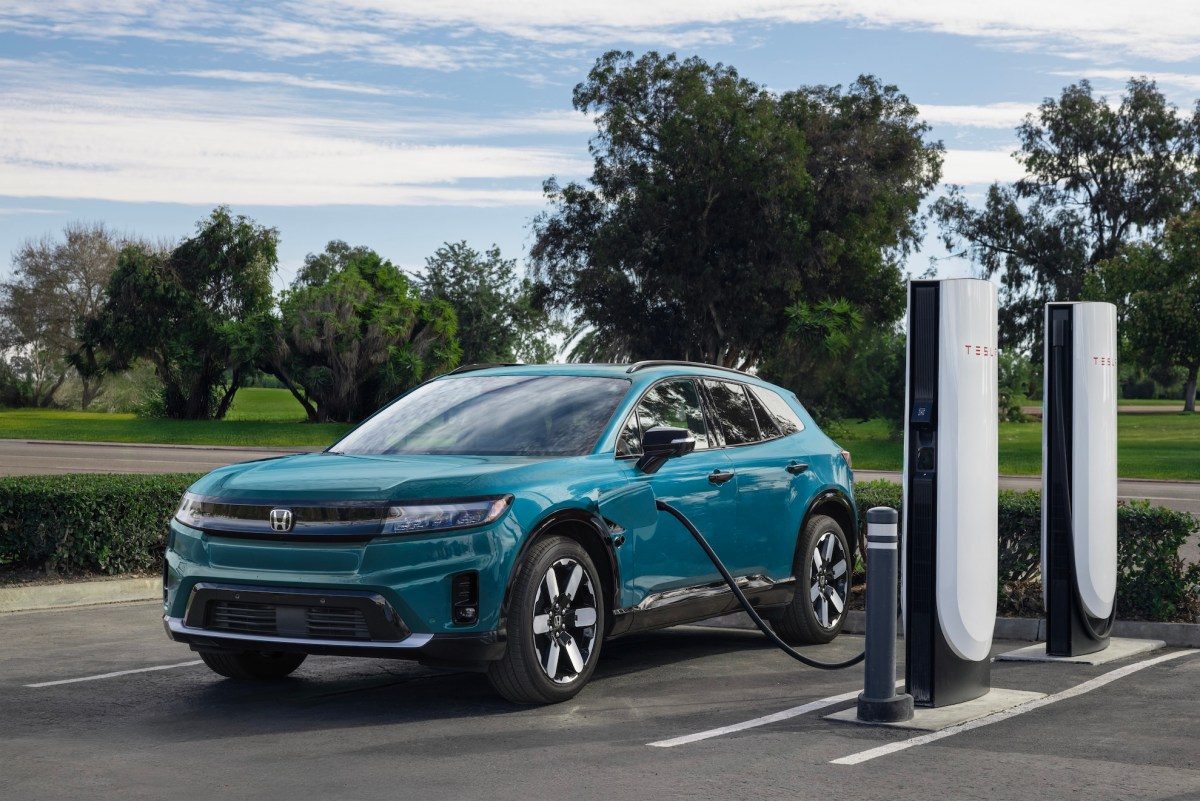
The decline has slowed from a 36% year-on-year drop in the fourth quarter of 2025, but the direction is clear. Honda killed its Prologue after selling roughly 72,000 units over two years. Tesla ended production of the Model S and Model X, retooling its Fremont factory for robot production. Hyundai stopped importing the South Korean-made Ioniq 6 while continuing to build the Ioniq 5 and Ioniq 9 at its Georgia plant, and Nissan dropped the Ariya.
Honda cited U.S. tariffs and Chinese competition when it cancelled three planned EVs in March. The same tariff pressures appear to have driven Hyundai's decision on the Ioniq 6. For European manufacturers, the calculation is similar: building or importing electric vehicles for America has become less viable just as demand softens. The source reporting notes the U.S. retreat stands in stark contrast to the rest of the world, raising the question of whether this is a temporary dip or a lasting divergence in how America and Europe adopt electric vehicles.