Two US troops killed in Iranian missile attack in Jordan as regional war escalates
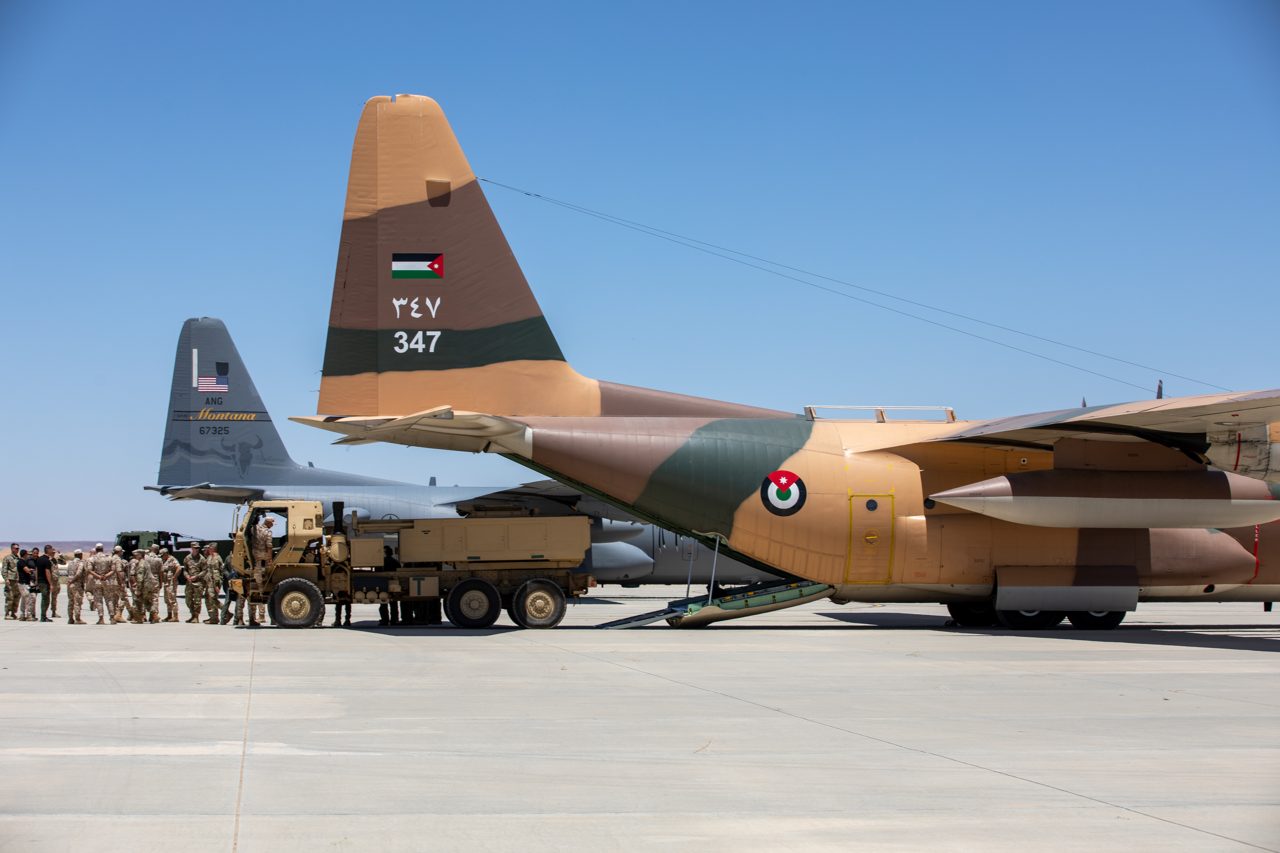
An Iranian missile and drone strike in Jordan has killed two American service members and left one missing, marking a deadly escalation in a conflict that threatens Middle Eastern stability and the energy markets vital to Europe.
Two US service members were killed in action on Friday following an Iranian ballistic missile and drone attack on US and partner forces in Jordan, according to US Central Command. A third American service member remains missing, while four others were medically evacuated to local hospitals.
The four evacuated personnel have since been discharged. US Central Command noted that other personnel evaluated for minor injuries have already returned to duty. The identities of the deceased will be withheld until 24 hours after their next of kin have been notified.
The exact location of the strike was not immediately disclosed. These latest casualties bring the total number of American troops killed in the war with Iran to 16. The campaign, which began on 28 February, has now left more than 400 US troops wounded.
The fatal strike follows the 1 July death of Cmdr. Gabriel Edwards, commanding officer of the Navy’s Helicopter Sea Combat Squadron 5. He was killed when his MH-60S Sea Hawk helicopter went down in the Arabian Sea, an incident that also saw three other sailors rescued after an emergency landing.
For European policymakers and markets, the explicit framing of this ongoing conflict as a war with Iran signals a profound shift in regional stability. Europe remains heavily dependent on Middle Eastern energy supplies and secure maritime trade routes through the Arabian Sea.
Any direct, sustained military confrontation between the United States and Iran risks severe disruptions to global oil and gas flows. Such volatility would inevitably transmit higher energy costs to European households and industries already navigating a fragile economic recovery.
Furthermore, European capitals will be closely monitoring whether this escalation forces a broader realignment of diplomatic efforts. The presence of US and partner forces in Jordan makes the kingdom a critical, yet vulnerable, node in Western security architecture.
As the US Central Command continues its assessment, the immediate priority remains the recovery of the missing service member and the reinforcement of regional bases. For Europe, the incident serves as a stark reminder that the security consequences of Middle Eastern conflicts remain inextricably linked to the continent’s own stability.