Drone blackouts and tax hikes drive Russian economy back to cash
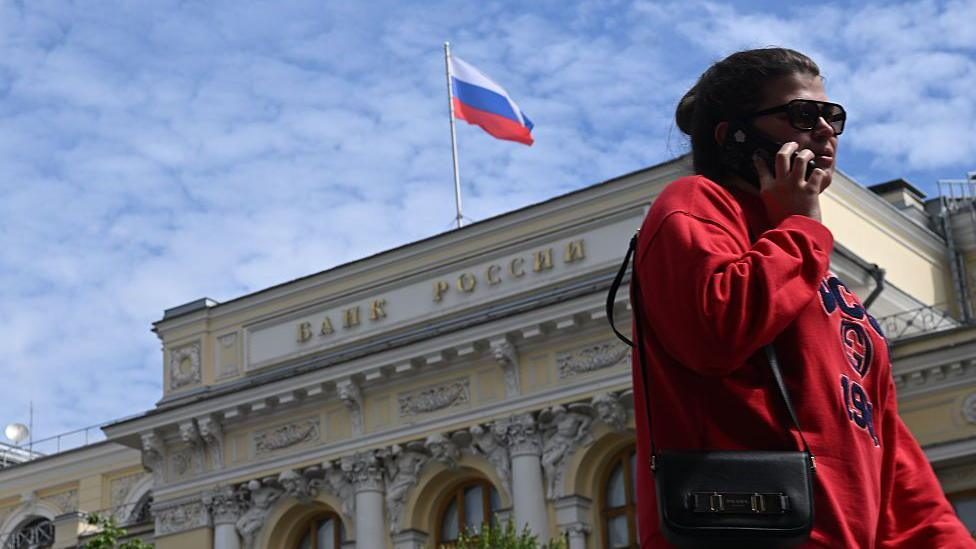
A record surge in cash withdrawals, triggered by drone-related internet blackouts and punishing new tax rules, is eroding Moscow's tax base and complicating its ability to fund the war in Ukraine.
Russians have withdrawn a record amount of cash from the banking system this year, adding 1.56 trillion roubles to circulation in the largest non-pandemic surge on record. The flight to physical currency is driven by a dual pressure: mobile internet blackouts triggered by Ukrainian drone attacks, and a mass shift by businesses into the shadow economy to escape new taxes.
The physical infrastructure of Russian payments is taking a direct hit from the conflict. Government-mandated mobile internet shutdowns, designed to counter drone strikes, regularly leave card terminals inoperable across large areas. This has revived a wartime instinct to hoard banknotes, with residents noting that cash provides a vital buffer to buy basic necessities when networks collapse during security emergencies.
Simultaneously, a deepening fiscal squeeze is pushing legitimate businesses off the books. With the economy ministry forecasting GDP growth of just 0.4% for 2026, the Kremlin raised VAT from 20% to 22% in January and lowered the threshold for small businesses to pay it. Pharmacies, restaurants and retail shops are now actively steering customers toward cash to understate turnover and avoid payroll taxes.
The scale of this retreat from the formal financial system is alarming state lenders. Taras Skvortsov, chief financial officer of Sberbank, warned last month of "very serious signs" that businesses are paying wages "in envelopes". He noted that cash is no longer flowing back into the banking system through ATMs or terminals. A May survey by Opora Russia found that 6% of entrepreneurs have already adopted these "grey schemes".
This dynamic presents a structural problem for Moscow's war financing. While the oil and gas sector has seen a recent revenue boost from rising prices following the Iran war, the state is losing its grip on the broader tax base. Alexander Kolyandr, a senior fellow at the Center for European Policy Analysis, observed that one arm of the government is trying to extract more revenue through higher taxes, while another is undermining that strategy by shutting down the networks needed to collect it.
The flight to cash is defying standard financial incentives. Despite the central bank keeping deposit rates high to fight war-fuelled inflation, with a one-year Sberbank deposit currently yielding 10%, Russians pulled 550 billion roubles from accounts in May alone. As long as security blackouts and tax pressures persist, the Kremlin will find it increasingly difficult to trace and tax the wealth needed to sustain its military campaign.