Conservative leader warns of policy uncertainty as Burnham prepares to take office
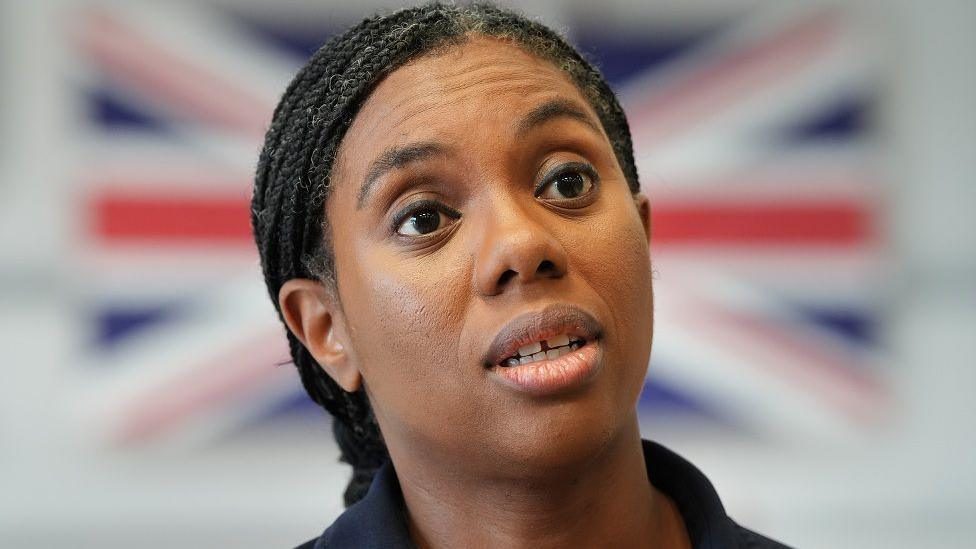
As Andy Burnham prepares to succeed Keir Starmer as prime minister, Kemi Badenoch’s sharp critique highlights the political and policy uncertainties facing the new administration.
Andy Burnham is set to become prime minister on Monday, succeeding Sir Keir Starmer following a reception with King Charles III. The transition arrives as Conservative leader Kemi Badenoch launched a sharp pre-emptive critique of his governing agenda.
Badenoch branded the incoming Labour leader a "people pleaser" with "airy fairy" plans, warning that he lacks awareness of the country's true priorities. Speaking in a Sunday interview with Laura Kuenssberg, she refused to offer the new government a "blank cheque".
The Conservative leader emphasized that governance is not a "popularity contest" but requires making difficult choices. She argued that Burnham must face down Labour MPs reluctant to take tough decisions, a dynamic she suggested could lead to a "rude awakening" for the new prime minister.
Burnham secured the Labour leadership earlier this week as the sole candidate, backed by 379 Labour MPs and all 11 affiliated trade unions. He returned to Parliament just a month ago following a by-election.
During a Friday speech at the Trade Union Congress headquarters in London, Burnham pledged to deliver the "most significant change moment in our politics for 40 years". His five-point plan includes collaborating with other parties and shifting power from Westminster to local authorities.
Badenoch countered that this address was directed at Labour factions rather than the broader public. She maintained that while Burnham is a "nice guy", his current proposals lack concrete detail on improving citizens' lives outside Westminster.
For businesses and investors, this political transition introduces a period of policy uncertainty. Burnham has remained coy about his cabinet appointments ahead of Monday’s address, leaving stakeholders without clarity on the administrative direction of the new government.
The promised devolution of power to local authorities could reshape regional public services, though the mechanics remain undefined. Meanwhile, the unanimous backing from trade unions signals that labour relations will be a central pillar of Burnham’s legislative agenda.
As Burnham prepares to take office, the opposition has made clear it will aggressively scrutinize his agenda. Badenoch stated she will "score as many points as possible if it means the right thing for the country", setting the stage for a combative parliamentary environment.