Andy Burnham enters Downing Street with radical agenda to rewire UK economy
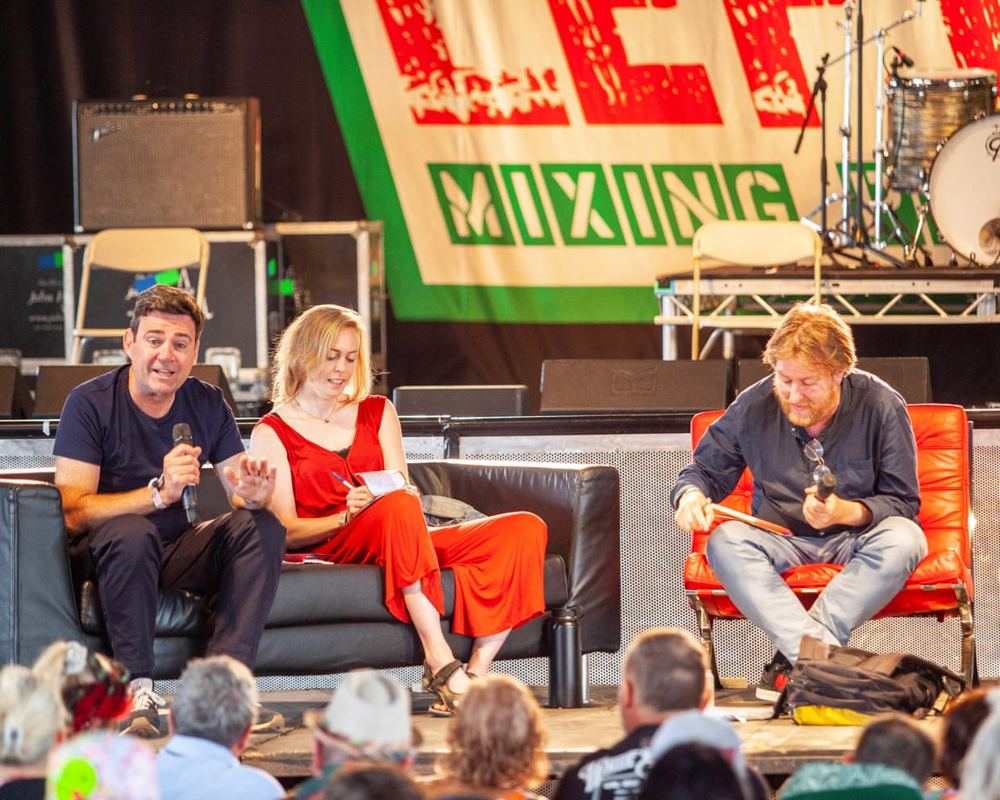
As Andy Burnham prepares to enter Downing Street as Labour leader, his ambitious plans to reindustrialise the UK and devolve power face scrutiny over the moderate personnel chosen to execute them.
Andy Burnham is set to enter Downing Street on Monday as the new leader of the Labour Party. His arrival marks a distinct shift toward a political agenda focused on radically reshaping the UK state and transferring authority away from Westminster.
The incoming leader has outlined ambitions to reindustrialise the country and roll back four decades of neoliberal economic policy. A central pillar of this platform involves overseeing the construction of historic numbers of council houses to address deep regional inequalities.
For investors and markets, this rhetorical shift signals potential volatility in how public resources will be allocated across the UK. The promise to rewire national systems of authority suggests a departure from centralised economic management, which could alter regulatory and regional development priorities for businesses.
However, significant tensions exist between these radical aspirations and the team reportedly surrounding him. Speculation points to Shabana Mahmood as a potential chancellor and James Purnell, a former doctrinaire Blairite, as chief of staff.
Furthermore, backroom insiders from the previous Starmer leadership are expected to remain in place. This dynamic has drawn comparisons to Harold Wilson’s famous remark about running a Bolshevik revolution with a tsarist shadow cabinet.
In the immediate term, the new administration is expected to focus on living costs and abandon the digital ID scheme. These moves aim to deliver quick relief to the working-class demographics that form the foundation of Burnham’s political background.
Beyond domestic policy, observers are questioning how a consensus-building leader will navigate international hardball. The diplomatic landscape, featuring figures such as Donald Trump and Vladimir Putin, may test a leadership style built on humility and devolution rather than centralised power.
Burnham has previously detailed his own historical self-doubt about fitting into Westminster in his book Head North, co-authored with Liverpool mayor Steve Rotheram. As he assumes power, the success of his project will depend on reconciling his egalitarian vision with the pragmatic realities of governing a fractured economy.