Rolls-Royce profits hit £3.5bn as Trent fix paves way for narrowbody return
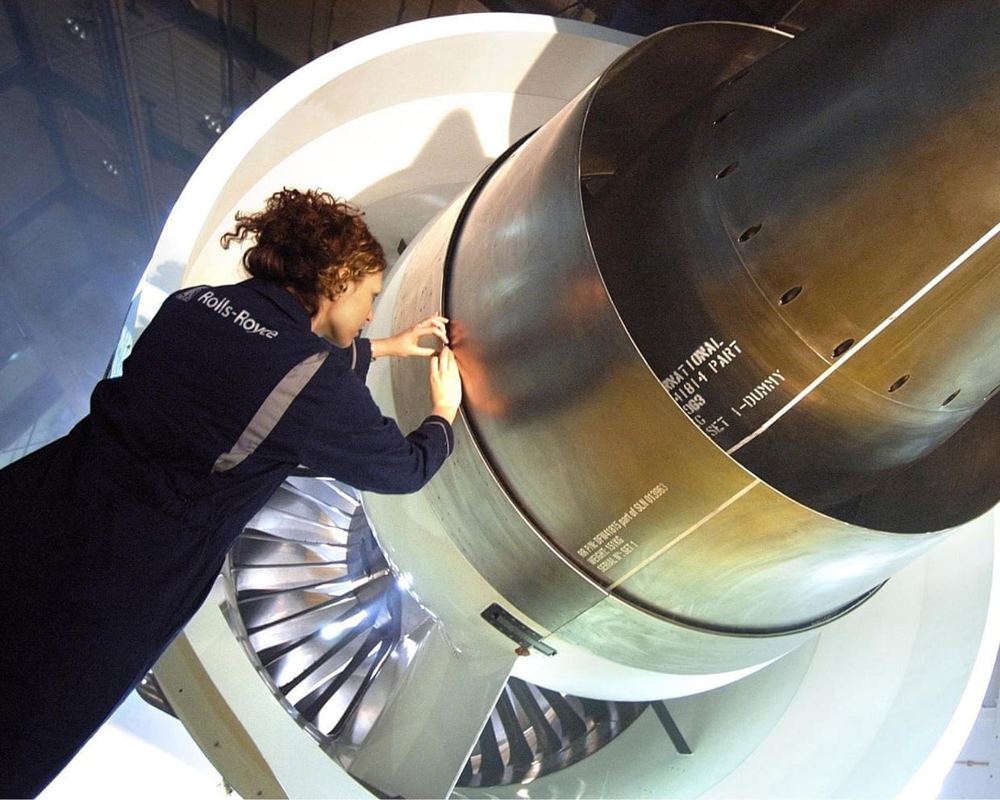
Rolls-Royce has returned to strong growth after resolving costly engine durability issues, positioning the British manufacturer to challenge US rivals for a lucrative share of the narrowbody jet market.
Rolls-Royce’s underlying profits surged 40% to £3.5bn in 2025, a financial recovery driven by the resolution of persistent durability problems in its Trent widebody aircraft engines. The results mark a dramatic reversal for a company its chief executive, Tufan Erginbilgiç, described as a "burning platform" when he took charge in 2023. The share price has risen tenfold in three years to above £13.
The turnaround rests on a £1bn investment to improve Trent engine durability and expand maintenance capacity. Engineers in Derby have redesigned the engine's turbine blades, altering cooling hole patterns to increase airflow by 40% and trimming weight to reduce stress. The changes triple the time an engine can remain on an aircraft wing before requiring overhaul, with all Trent 1000 engines expected to receive the upgraded blades by next June.
Airlines had been forced to ground planes frequently for inspections, straining relationships with the manufacturer. Celine Bouas, Rolls-Royce’s senior vice-president for customers, acknowledged the friction. "Have we caused pain to our customers? Yes, it caused pain," she said. The introduction of the new blades was delayed because the US Federal Aviation Administration slowed all certification work amid increased scrutiny following the Boeing 737 Max crashes.
The reliability improvements are translating into commercial gains as the global aviation recovery continues. A 1% improvement in fuel consumption saves airlines $500,000 a year per engine. The enhanced performance is close to securing a deal with an airline that has historically only bought engines from the American GE and CFM partnership, according to Bouas. However, carriers are now questioning why Rolls-Royce is not sharing more of its newfound profits to compensate for their past losses.
A return to narrowbodies
With the core business stabilised, Rolls-Royce is focusing on its next technological leap: the UltraFan engine. The company successfully linked the power gearbox to the core of an 80,000-pound thrust widebody version last month, though it is designed for future aircraft rather than existing models. "The reality now on the large engine is going to be driven by the next widebody platform," said Rob Watson, president for civil aerospace.
The larger prize is the narrowbody market, which Rolls-Royce exited in 2011 and where most global aviation growth now occurs. A 30,000-pound thrust UltraFan concept is in development, with testing targeted for 2028. Rolls-Royce wants government support for these investments but is actively seeking a commercial partner to share the massive costs of re-entering the narrowbody sector. "We could do that alone, OK, but we’d rather de-risk it," Watson said.