German ruling sharpens risk of Google AI in schools
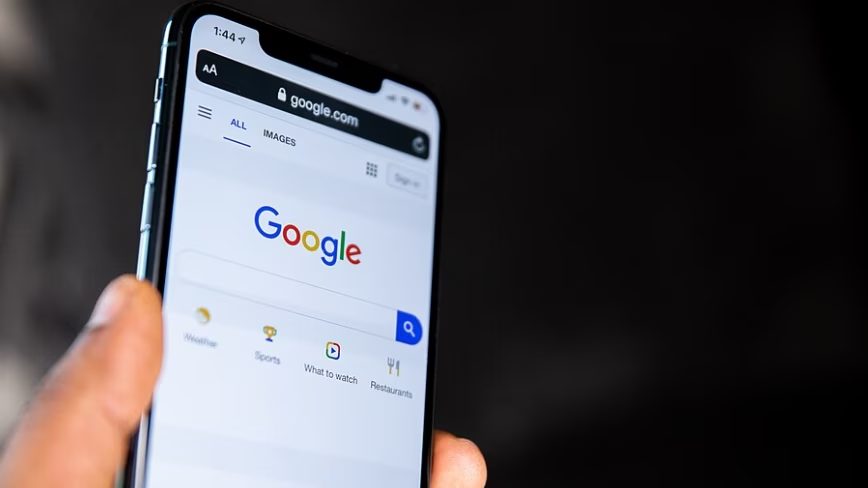
A watchdog has labelled Google’s AI Search an "unacceptable risk" to students, a designation that carries severe legal implications for European schools following a German court ruling holding the tech giant liable for its AI-generated answers.
Child safety watchdog Common Sense Media has declared Google’s AI Search an "unacceptable risk" to students. The organisation is urging schools to halt its use entirely until the company provides a way to disable the artificial intelligence features.
The group found that AI Mode readily completes homework assignments and repeats misinformation with an air of authority. These generative AI experiences are powered by Gemini models that Google age-gates in every other product. The core problem is structural, as Google offers no toggle to turn off AI while keeping standard Search accessible.
Blocking the AI means blocking Google Search completely, creating an impossible dilemma for educators. Google dominates classroom technology, having driven the 1:1 device movement that secured millions of Workspace for Education users from kindergarten through postgrad. As Amanda Bickerstaff of AI for Education put it: “What are you going to say? That kids can’t search the web?”
For European readers, the significance of this design choice extends beyond pedagogy into strict legal liability. In April, a German court ruled that Google is legally liable for the content of its AI Overviews. The court explicitly treated these AI-generated summaries as Google’s own statements rather than neutral, third-party results.
If this legal precedent is applied broadly across Europe, schools using Google Search could face direct liability. Every time a student receives a hallucinated answer presented as fact, the institution could be held legally responsible. David Monahan of child safety nonprofit Fairplay for Kids warned that Google’s AI features are “undermining kids’ education, supplying them with dangerous disinformation, and putting their very lives at risk.”
Monahan argued that if Google will not disable AI for students, schools should stop using Google products altogether. Google pushed back against the watchdog's findings, calling the testing “narrow and ambiguous” and an ineffective way to measure product safety.
While the watchdog tested consumer accounts, Google confirmed the AI experience is identical for education users. The company’s broader shift to replace search links with AI summaries has already drawn heavy criticism for undermining the open web. However, it is the emerging liability risk that now threatens to disrupt Google's deeply entrenched position in European education markets.