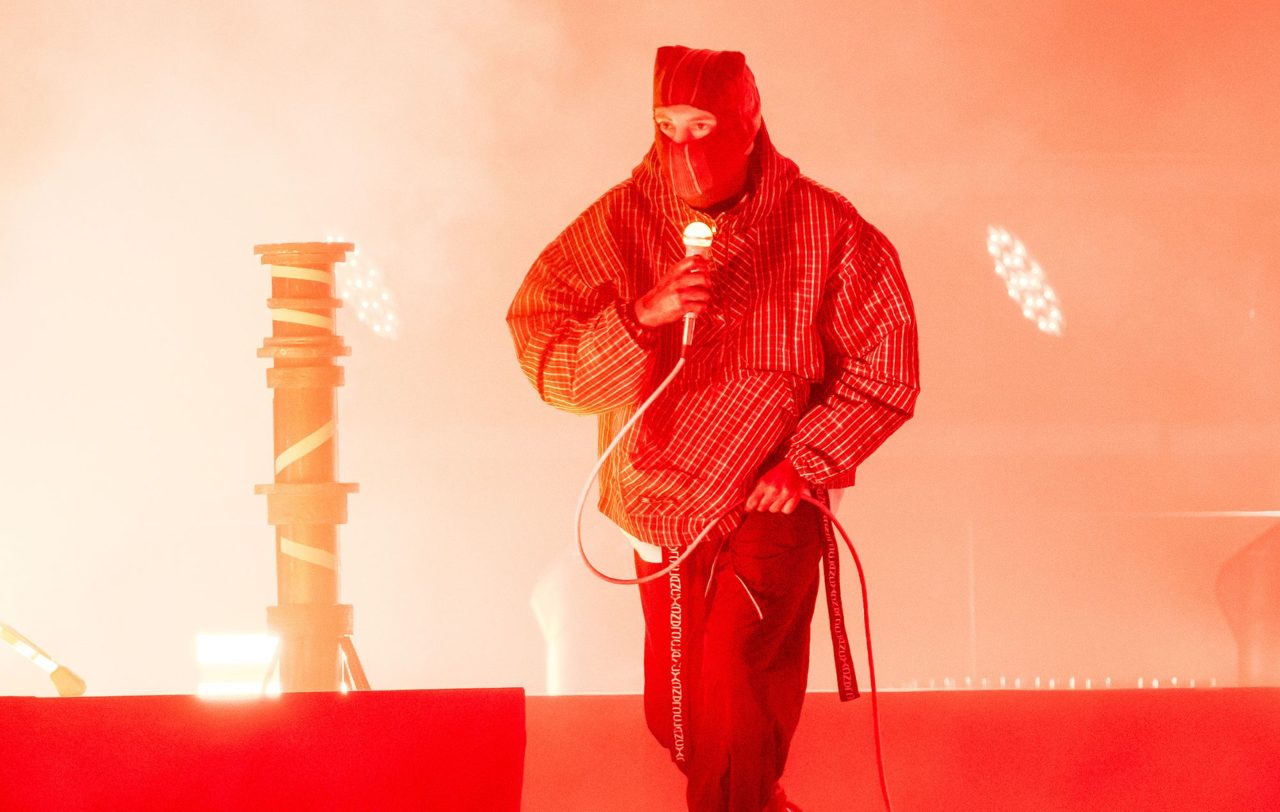
FIFA stages first World Cup halftime show to drive $100m education fund
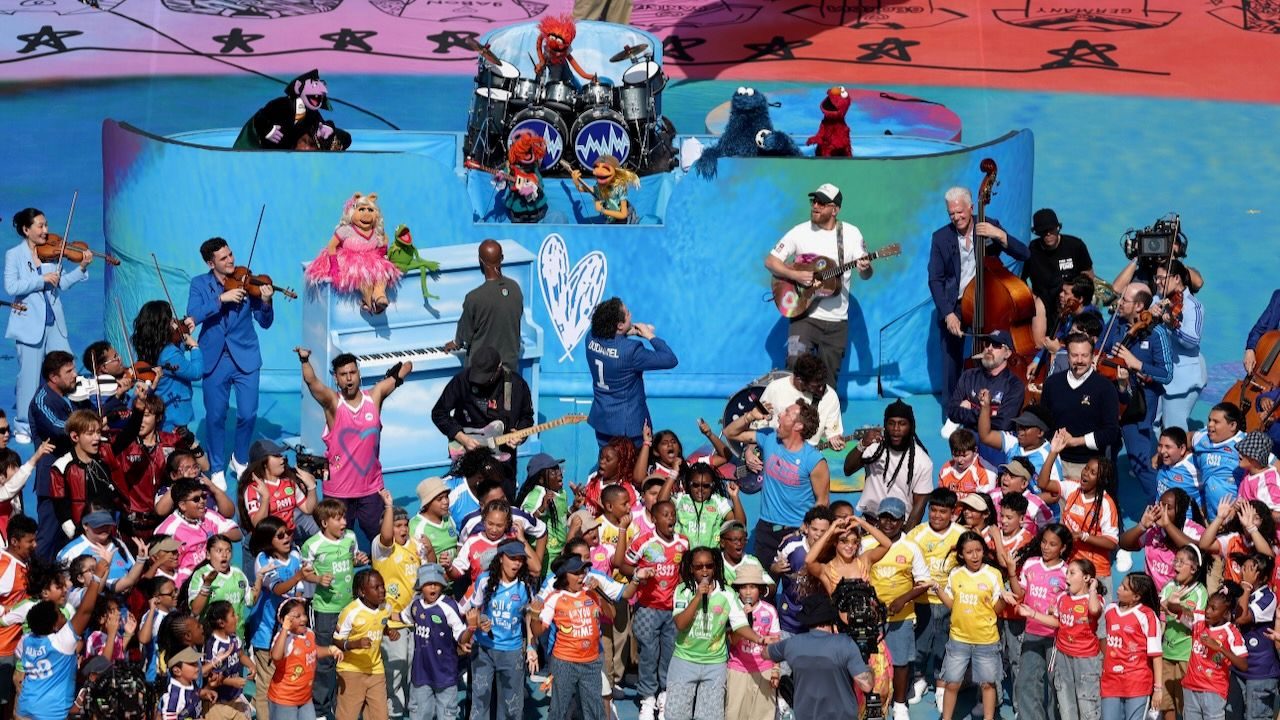
FIFA broke with 96 years of tradition to stage its first-ever World Cup final halftime show, a chaotic but massive commercial spectacle designed to funnel ticket revenues into a $100 million global education fund.
Football’s governing body staged its first-ever World Cup final halftime show at the New York/New Jersey Stadium, abandoning a 96-year tradition of keeping the mid-match break clear. To accommodate the sprawling 11-minute performance featuring pop stars, symphony orchestras, and puppets, FIFA temporarily suspended its standard 15-minute interval rule, extending the break to 30 minutes. The production included Madonna, BTS, Shakira, Justin Bieber, Gustavo Dudamel, the New York Philharmonic, and the Muppets.
Beyond pure entertainment, the heavily branded intermission served as the centerpiece for a major fundraising push. Global Citizen produced the spectacle to promote the FIFA Global Citizen Education Fund, an initiative aiming to raise $100 million to provide education and football access for children worldwide. The campaign has already secured more than $50 million, bolstered by a built-in mechanism that directs $1 from every ticket sold across the entire 2026 tournament.
The pivot effectively imports the highly monetized halftime model perfected by the NFL, signaling FIFA’s intent to extract maximum commercial value from its marquee event. For the music industry, the massive global broadcast offered an unparalleled promotional platform for artists with active, revenue-generating tours. Shakira is currently wrapping the North American leg of her "Las Mujeres Ya No Lloran World Tour," while the reunited BTS is preparing to launch 16 shows in the US and Canada on their "ARIRANG World Tour."
The broadcast timing also strategically benefited performers pushing new commercial products. Madonna revealed her new album "Confessions II" this month, and Justin Bieber surprise-dropped a live album recorded at Coachella in April. Bieber, whose subdued acoustic set temporarily stalled the show's momentum, was a late addition confirmed just 11 days before the final, underscoring the logistical tightrope of such a massive production.
The execution itself was frequently messy, plagued by jarring tonal shifts such as the transition from BTS to Bieber. However, the sheer scale of the spectacle—and its direct tie to a multi-million-dollar charitable mechanism—suggests the American-style halftime show may become a permanent, and highly lucrative, fixture in global football.