Bubble Barrier tech expands to intercept European river plastic
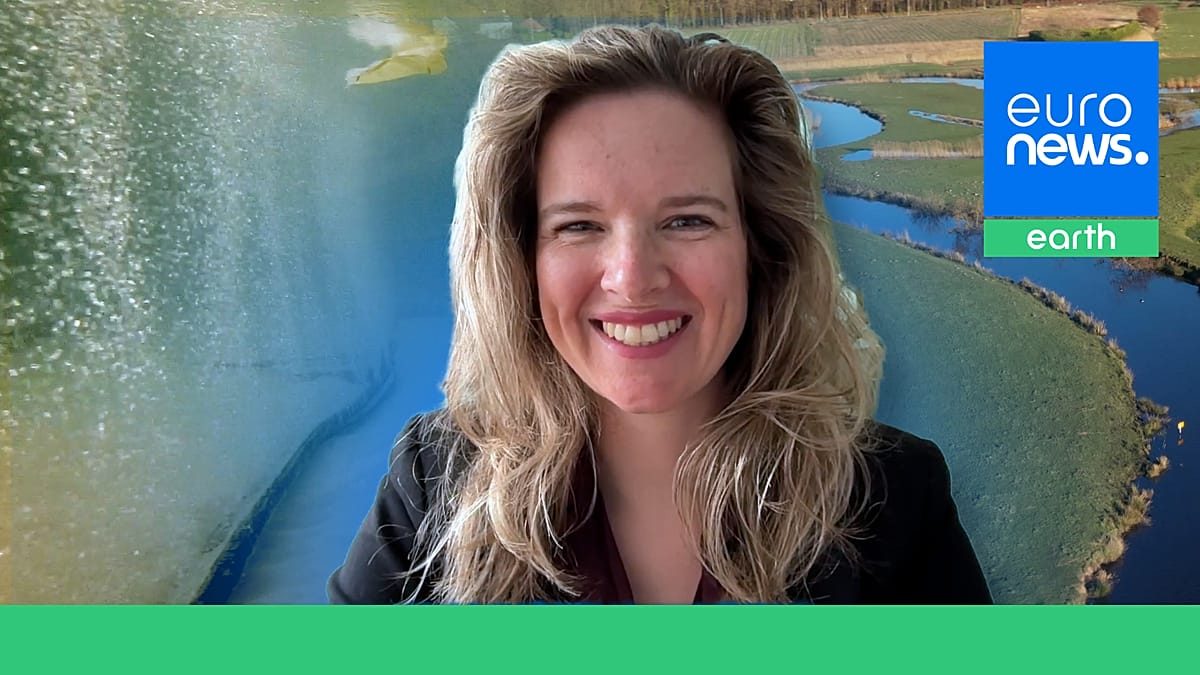
A Dutch company is scaling a bubble-based infrastructure system across European waterways to intercept plastic waste before it reaches the ocean, offering a data-driven solution to a growing economic and environmental crisis.
The Great Bubble Barrier, a Dutch clean-tech firm, is expanding its riverine plastic interception infrastructure across Europe, with operational sites now running in the Netherlands and Portugal and further international deployments in the pipeline.
The system tackles an escalating waste management crisis by intercepting debris before it reaches the ocean. A perforated tube is laid diagonally across a riverbed and connected to an air pump, creating a rising curtain of bubbles. This upward current directs floating and submerged plastic to a collection point on the bank without obstructing ship traffic or fish migration.
Scaling this infrastructure requires more than just engineering. Successful deployment hinges on coordinating local governments, waste managers, and communities. "You need to make sure that permits are in place, that there's a waste collection system so that our waste doesn't end up a few metres further into the river again," explains Anne Marieke Eveleens, chief business development officer. "We work together with communities in the local area – we ask their help to figure out what the most frequent object is that we find and whether we can do something about it locally."
The economic imperative for such interventions is growing. Less than 10 per cent of plastic is recycled globally, leaving the remainder to leak into waterways through poor waste management. "The production of plastic is only increasing," Eveleens notes. "We expect it to triple by 2030. The demand for plastics is very high."
Independent research institutes have validated the technology, finding it captures around 86 per cent of surface plastic. The company currently operates barriers in Amsterdam, Katwijk, and Harlingen, as well as near Vila do Conde in Portugal. It is now discussing further installations across Europe and the United States.
Beyond physical waste removal, the barriers are designed to function as environmental monitoring tools. The data collected from pollution hotspots in major cities could inform future regulatory policy. "All this data that we're gathering is also a way to make new policy to prevent it from happening in the first place," Eveleens says.
The company’s ultimate goal is to deploy these systems in the world's most heavily polluted waterways, particularly in Southeast Asia. Recognition as a finalist for the Earthshot Prize has accelerated this global push. "Almost everywhere we go in the world, people have heard of a bubble barrier," Eveleens says. "It really made a huge push for us to go international and bring our solution to where it's needed."