EU lawmakers strengthen air passenger rights from 2027
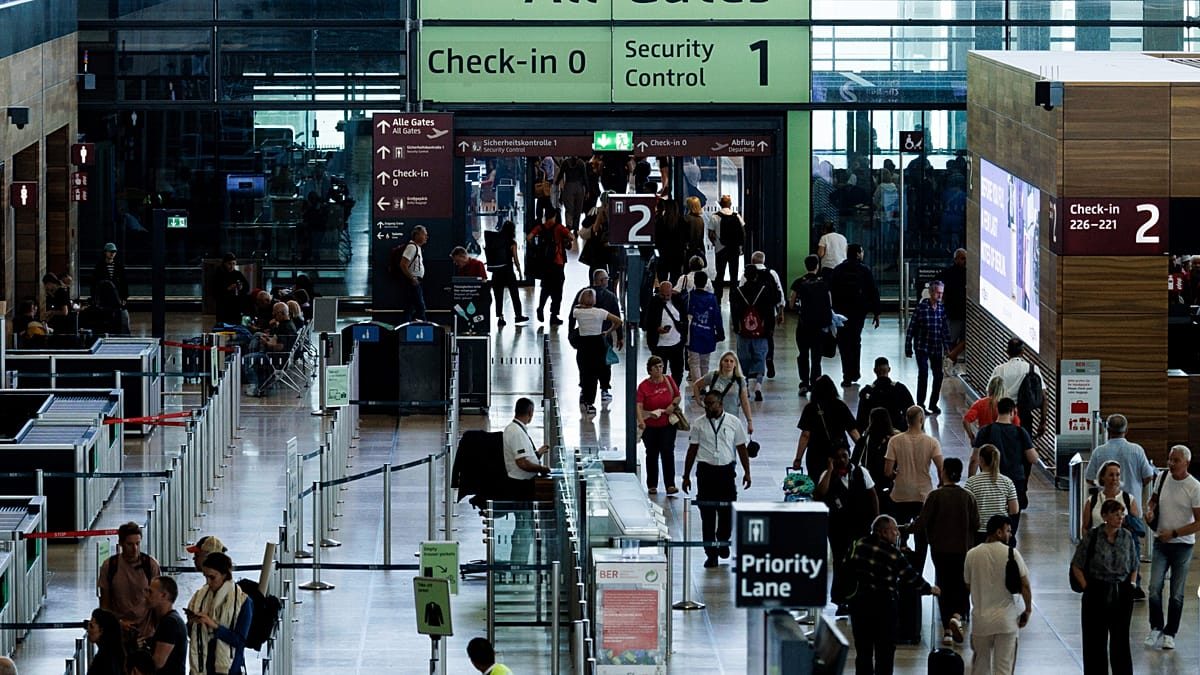
The European Union has approved updated air passenger protections taking effect in mid-2027, imposing new pricing and seating obligations on airlines amid soaring flight delays.
EU lawmakers have finalised new air passenger rights, with the European Parliament voting 646 to 12 on 7 July and the Council approving the measures on 13 July. The rules, agreed in principle on 15 June following a Commission proposal from 2013, will replace the existing framework when they take effect in mid-2027.
The overhaul targets a system that consumer organisations have long criticised for unfair fees and poor enforcement. Under the current rules, which date back to 2004, travellers have frequently struggled to claim what they are owed. The European Consumer Association (BEUC) reports that only 38 per cent of eligible passengers actually benefit from their rights.
This enforcement gap persists as Europe’s aviation sector battles mounting operational disruptions. According to the International Air Transport Association (IATA), flight delays have surged by 82.7 per cent since 2015. This growth vastly outpaces the 11.5 per cent rise in overall air traffic volume over the same period, costing the industry an estimated €17.5 billion.
For carriers, the updated legislation introduces direct constraints on established revenue streams. Airlines will be prohibited from charging fees to correct minor name-spelling errors on tickets. Furthermore, carriers must now include the cost of a trolley bag within a ticket's basic fare, a measure designed to force price transparency and eliminate surprise charges at checkout.
The new rules also mandate that airlines provide free seating for children under 14 and passengers with disabilities, removing another common ancillary charge. Despite efforts by the Council to water down these protections, MEPs successfully preserved the existing right to compensation. Passengers facing delays of more than three hours will remain entitled to payouts ranging from €250 to €600.
The lengthy lead time before the mid-2027 implementation gives Europe’s airlines a critical window to adapt. Carriers will need to restructure their booking systems, revise their baseline ticket pricing to absorb trolley bag costs, and adjust revenue forecasts to account for the loss of ancillary fees. How the industry passes these structural changes onto consumers will dictate the ultimate economic impact of the reform.