Unresolved 1990s war legacies stall Western Balkan EU enlargement
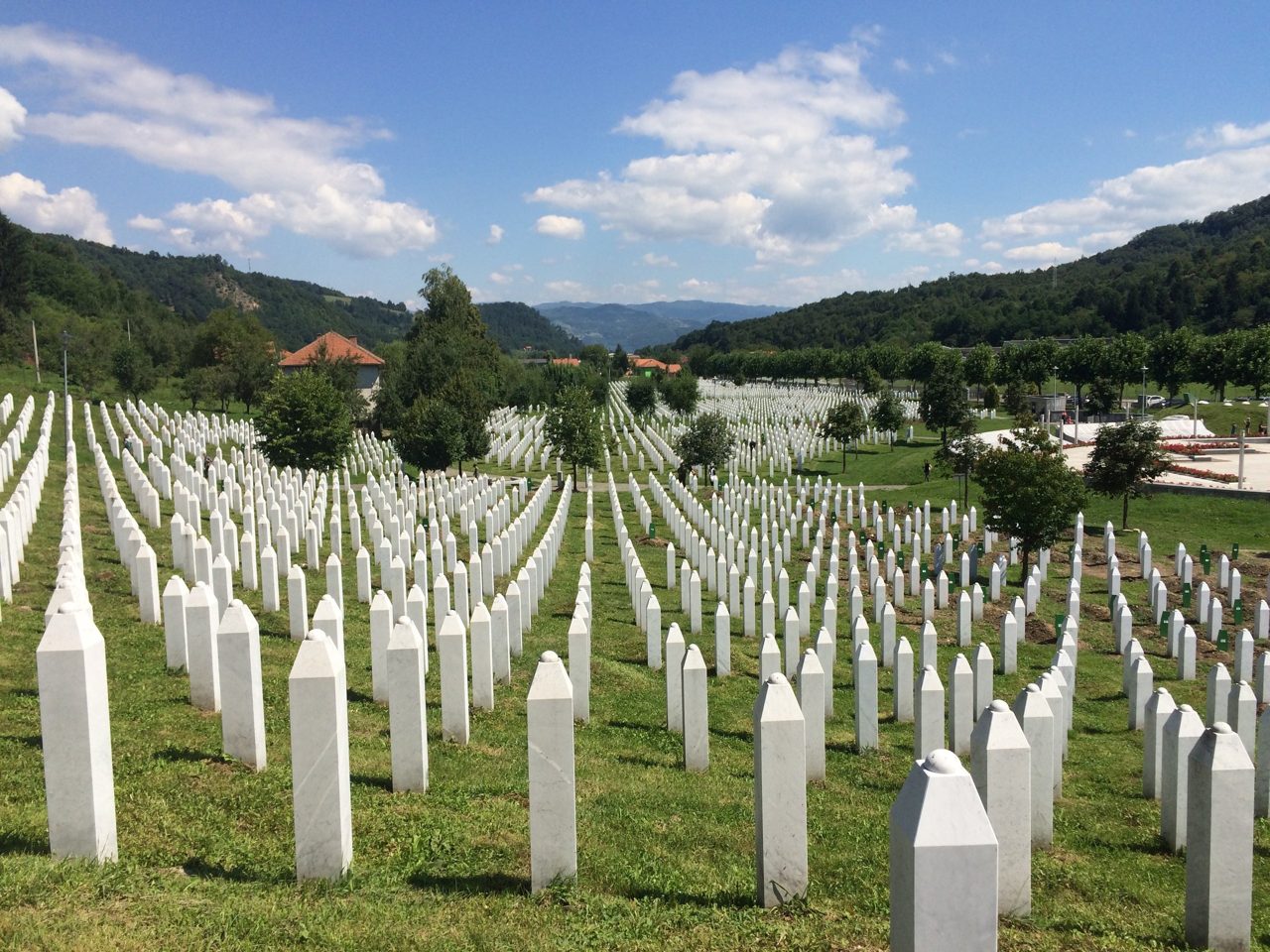
Two decades after the EU promised the Western Balkans membership, unaddressed war legacies and a lack of reconciliation are blocking integration, driving emigration and undermining institutional trust.
Twenty years after the European Council declared that "the future of the Balkans is in the European Union" at the 2003 Thessaloniki Summit, the region's accession process is effectively stalled. Only Slovenia and Croatia have joined the bloc, in 2004 and 2013 respectively. The remaining countries—Albania, Bosnia and Herzegovina, Kosovo, Macedonia, Montenegro, and Serbia—face unclear prospects despite years of engagement.
The primary obstacle is not bureaucratic but historical. The failure of these societies to address the violent aftermath of the 1990s wars continues to fuel animosities, contested historical narratives, and mutual mistrust between neighbours. This unresolved legacy is structurally tied to democratic consolidation and remains a formal requirement for EU accession under the Stabilisation and Association Process.
This stalemate has tangible consequences for the region's public life and economic stability. Caught between 'Europeanisation' efforts and resurgent 'Balkanisation' tendencies, the region suffers from eroding institutional trust and rising emigration. For European policymakers and neighbouring markets, this translates into a persistent zone of political fragility on the continent's southeastern flank.
Brussels has attempted to use political conditionality as its primary transitional justice tool, requiring cooperation with the International Criminal Tribunal for the former Yugoslavia (ICTY), minority rights protections, and refugee returns. However, this approach has largely targeted political leaders while neglecting the civil society organisations that drive local reconciliation, including war victims' associations,