Fuel prices and EU border tech drag Ryanair profits down by a third
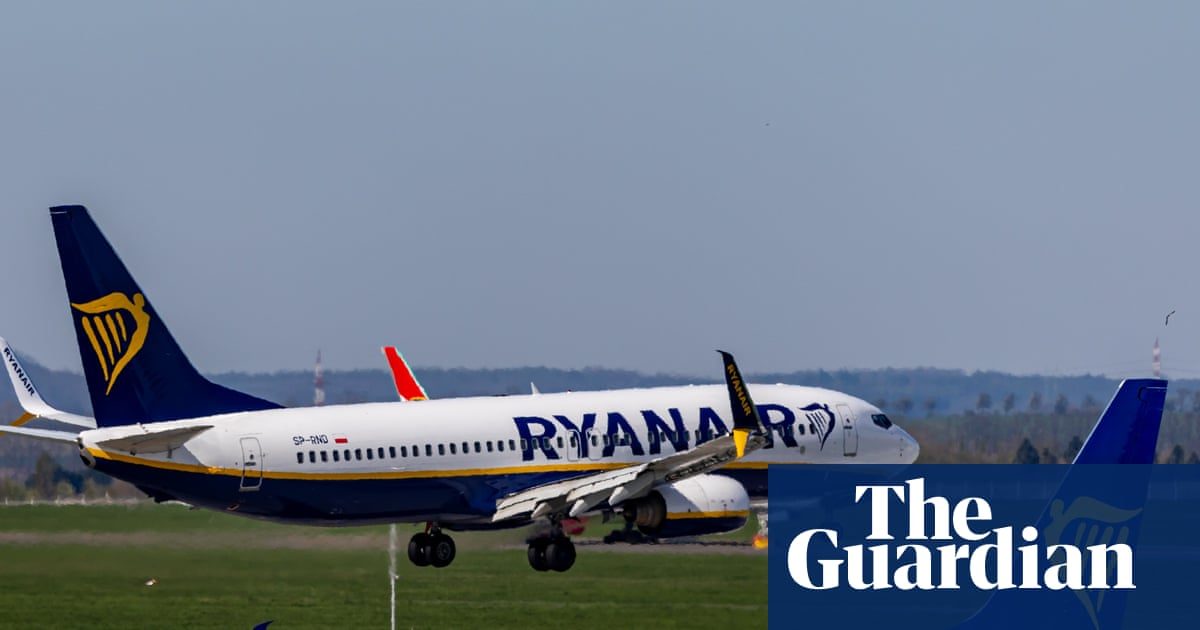
Ryanair's first-quarter profit slumped by 34% due to surging jet fuel costs linked to the Middle East conflict, while new EU border controls threaten to disrupt the peak summer travel season.
Ryanair reported a 34% drop in after-tax profits to €538m for the three months ending in June, squeezed by a doubling in jet fuel prices tied to the Iran war. The cost spike directly impacted the 20% of its fuel that was unhedged against price fluctuations, pushing operating costs up 11% to €3.81bn as revenues edged up just 1% to €4.38bn.
To keep its planes full, the airline sacrificed ticket pricing. Passenger numbers rose 6% year on year to 61.3 million, but this growth required a 6% drop in the average fare. The carrier said lower prices were needed to counter consumer hesitancy tied to the Middle East conflict, economic uncertainty, and late bookings.
The lower-margin environment arrives as a new EU border system threatens to disrupt the peak summer travel period. The digital entry-exit system (EES), which requires non-EU citizens to register fingerprints and a facial scan upon arrival, has nearly tripled processing times at passport control in several major hubs.
Group chief financial officer Neil Sorahan warned the technology is creating logistical headaches that will force passengers to arrive much earlier for flights. “People are starting to travel in greater numbers [heading into summer] and they will need to get to airports early and expect delays,” Sorahan said. “[EES] has been badly implemented and is another challenge British families have to face this summer.”
The airline highlighted 15 "hotspots" suffering from excessive queues on both arrivals and departures, including Lisbon, Madrid, Milan Bergamo, Paris Beauvais, Berlin, Cologne, and Budapest. Ryanair wants airports to be granted the flexibility to bypass the system during the busiest holiday weeks.
On the safety front, Sorahan addressed a recent incident where a passenger was partially pulled through a shattered window on a Boeing 737 operated by subsidiary Malta Air. He noted that US and European regulators have not mandated any operational changes while the NTSB investigates.
Sorahan defended the aircraft as “probably the safest aircraft ever built,” praising the crew who returned the damaged plane to Greece. Looking at the broader industry, he suggested a potential sale of rival easyJet could trigger a “domino effect” of consolidation across European aviation.