Samsung ships 1,600-nit tandem OLED laptop panels
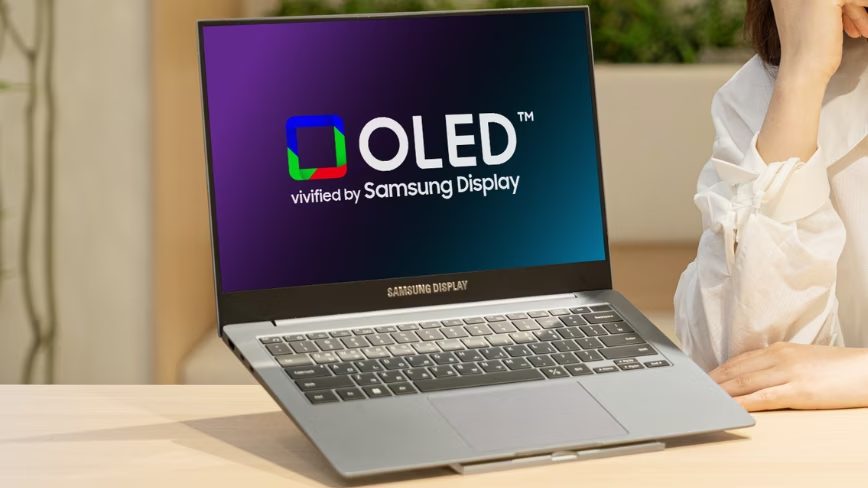
Samsung Display has started shipping a new generation of tandem OLED screens that double display lifespans, giving PC manufacturers a rare opportunity to command higher prices in a market squeezed by rising AI component costs.
Samsung Display has begun shipping tandem OLED panels for laptops capable of reaching 1,600 nits of peak brightness. The new hardware is the brightest commercially available OLED panel for laptops, exceeding the 1,100-nit limit of conventional single-layer screens.
The performance leap comes from stacking two organic emissive layers. This tandem architecture allows the display to produce more light at the same electrical current, or operate with less stress to achieve standard brightness. New organic materials developed for this generation further improve efficiency and stability, resulting in panels that Samsung says last more than twice as long as single-stack OLEDs under typical operating conditions.
The panels meet the VESA DisplayHDR True Black 1400 standard announced this month. This certification requires 1,400 nits of brightness at a 10% on-pixel ratio while keeping black levels at 0.0005 nits or lower. Lenovo’s Yoga Pro 9i Aura Edition is the first laptop to earn this certification, having done so on July 8.
For PC vendors, the screens offer a critical pricing lever. An AI-driven memory shortage has pushed component costs higher across consumer electronics, and notebook prices have climbed as hardware vendors pass on these expenses. Premium display panels represent one of the few areas where manufacturers can justify higher retail prices through a measurably better specification, rather than engaging in margin-eroding price competition.
ASUS, Dell, and MSI are expected to introduce certified laptops using the panels between the second half of this year and 2027. The rollout will heavily target the high-end creator and professional segments. These buyers have historically shown a willingness to pay a premium for improved colour accuracy, higher brightness, and hardware longevity.
The display division’s push into tandem OLED contrasts with the broader corporate narrative at Samsung Electronics. The parent company crossed a $1 trillion market cap this year, driven primarily by surging demand for AI memory chips. While memory dominates the financial headlines, the screen unit is making a quieter bet: that laptop buyers will continue to pay up for OLED technology that does not compromise on true black levels or durability.
Samsung will showcase the technology at the K-Display 2026 trade show in Seoul from July 22 to 24. Demonstrations will focus on video editing and creator workflows to highlight the practical benefits of the increased brightness in everyday use.