Italian coalition rifts fuel early election speculation
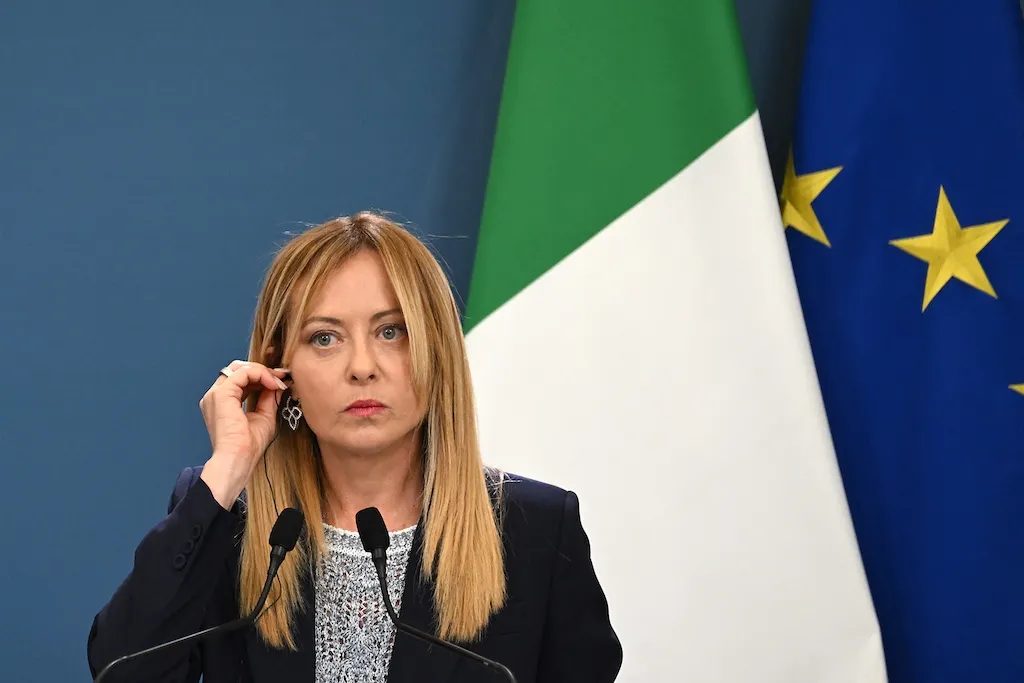
Prime Minister Giorgia Meloni is weighing a snap election to outmaneuver a surging far-right rival and a fractured left, threatening to disrupt Rome's recent fiscal stability.
Prime Minister Giorgia Meloni is facing pressure to call early Italian elections after her own coalition MPs defeated a key amendment to her electoral reform bill in a secret ballot. Though she previously stated she would “go to the Quirinale” to resign if the measure failed, her office dismissed the defections as “just a parliamentary incident.”
For European investors, the political friction threatens to complicate Rome’s recent record of fiscal discipline. While Meloni has broadly kept Italy’s public finances under control, an early vote would introduce uncertainty just as the government approaches the natural end of its five-year term next September.
The calculus for a snap vote is driven partly by the rise of Futuro Nazionale (National Future), a radical right party led by retired army general Roberto Vannacci. Having broken from the anti-immigrant League in February, Vannacci is exploiting the government's failure to deliver on campaign promises regarding pensions and immigration.
“From the viewpoint of a right-wing voter, they failed in many respects,” says Vincenzo Emanuele, an associate professor of political science at Luiss University in Rome. “Vannacci is growing in the polls every week, and so the more [National Future] stays there, the more it can capitalize from the failures of the government on immigration, the more it can increase.”
Meloni insists she will not partner with Vannacci, yet polls indicate she cannot secure a parliamentary majority without him under either the current or proposed electoral systems. Nadia Urbinati, a professor of political theory at Columbia University, argues the two are playing a “game” with an eventual alliance in mind. “She has a plan, and the plan is to have a team with Venacci, a team in which there are two actors playing two different roles and carrying on the day by covering the entire spectrum, and she thinks the sooner the better,” Urbinati says.
Forcing an early vote would also capitalize on the disarray of Italy’s centre-left opposition, which remains divided on foreign policy and lacks a clear leader. “The earlier the vote, the higher the chances that the centre-left is unprepared,” Emanuele notes. Urbinati adds: “This is a good moment for her, in the sense that although everybody says that she is in crisis, she is not in crisis at all. This is the time to force the situation.”