Venice museums face labour dispute over extreme heat
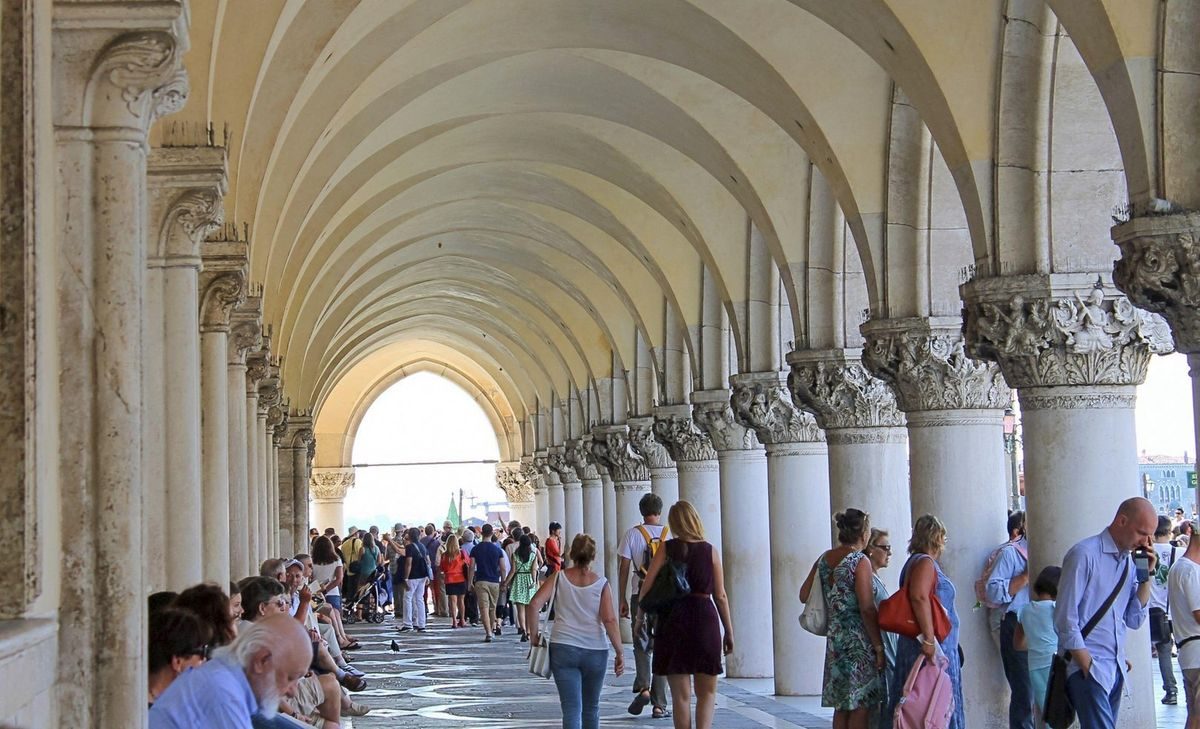
A trade union has triggered a formal labour dispute at major Venice museums over prolonged 30C indoor temperatures, highlighting the mounting cost of failing to adapt Italy's heritage infrastructure to climate change.
The Unione Sindacale di Base (USB) has formally signalled a labour dispute against two prominent Venice museum clusters, a standard preliminary step toward potential strike action. The move follows weeks of indoor temperatures exceeding 30C at historic sites including the Giorgio Franchetti Gallery at the Ca’ d’Oro, the Museo di Palazzo Grimani, and the National Archaeological Museum of Venice.
High humidity has pushed perceived temperatures inside the buildings to 40C. USB representative Gabriele Raise noted that internal union guidelines call for work suspension when perceived heat tops 35C. The union warns the current environment poses an immediate risk of “exhaustion, cramps and heatstroke”.
Staff have accused management of a “complete lack of maintenance” of fan coils and windows at the National Archaeological Museum. Workers also claim they have not been provided with basic provisions like water or training to handle heat emergencies. USB warned of “an intolerable situation that not only jeopardises the health and safety of workers, but also seriously undermines the dignity of the visitor experience and the very protection of the artistic heritage on display”.
Retrofitting historic sites
The museum networks, MAN-VE-LAG and DRMNV, said they are “aware of difficulties” in non-air-conditioned areas of their buildings. They claim to have “promptly shared operational guidelines” and introduced “greater flexibility” to let staff access cooler spaces. USB, however, insists these directives were only communicated verbally and must be formalised in writing.
This local dispute illustrates a broader infrastructure bottleneck across Southern Europe. Retrofitting centuries-old architecture to withstand intensifying summer heatwaves requires navigating strict heritage planning constraints. The museum clusters stated they are working with Italy's culture ministry to find viable solutions, adding that “the reported issues have long been the attention of the relevant offices, which have carried out the necessary inspections and scheduled the required works.”
USB first raised the overheating issue last summer and requested an urgent meeting on 1 July without receiving a reply. For Italy’s tourism-reliant economy, the threat of strikes at flagship cultural sites demonstrates that delayed climate adaptation is now actively disrupting business operations and endangering valuable public assets.