UK PM Burnham's culture chief faces AI, funding and restitution tests
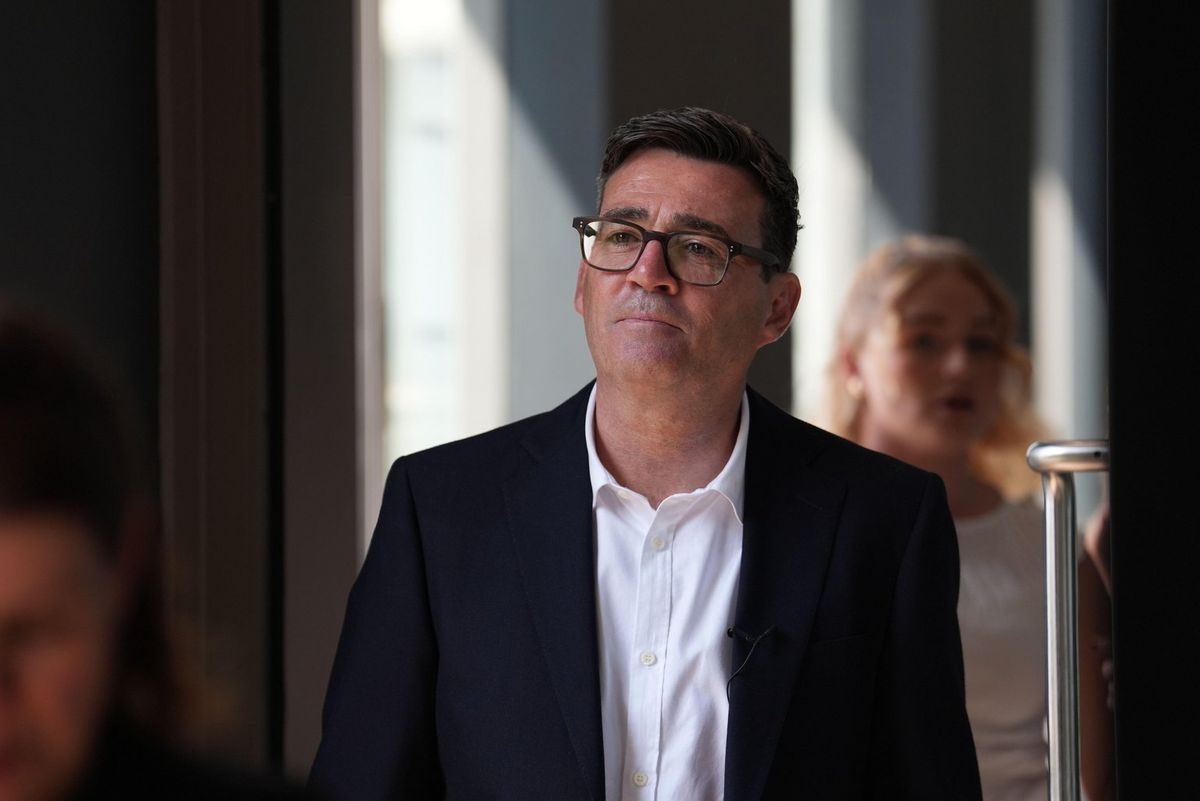
Andy Burnham has become the UK's new prime minister, placing his incoming culture secretary at the centre of fraught European debates over museum restitution, AI copyright rules and the survival of publicly funded arts.
Andy Burnham became the UK’s new prime minister on 20 July. His immediate task is appointing a culture secretary to manage an overstretched department. The new minister will quickly confront decisions that will shape the country's cultural and economic landscape for years.
For the rest of Europe, the UK’s policy direction carries significant weight. The country is a major cultural exporter and a top tourist destination, with four out of five overseas visitors citing museums as a reason for travelling there.
Funding and institutional reform
Public finances are under pressure, but former Tate director Maria Balshaw warns against replacing state funding with philanthropy. She argues that public investment is the necessary foundation for private giving and insists the government must maintain free admission to national museums.
Institutional reform is also on the agenda following a review by Labour peer Margaret Hodge. Alison Cole of the Cultural Policy Unit suggests Arts Council England should shift from being a direct funding body to a strategic national agency. She argues local decisions should be left to devolved authorities backed by new revenue streams like city tourism charges.
Restitution and the Parthenon Marbles
The new government could reshape how European museums handle colonial-era artefacts. Burnham already supports returning the Parthenon Marbles to Greece, breaking from the British Museum's stance that the British Museum Act 1963 prevents such a move.
V&A director Tristram Hunt is urging the government to revisit the National Heritage Act 1983, which he calls "both outdated and infantilising for trustees". He wants national museums to use the 2022 Charities Act to allow the "ex gratia disposal of goods", enabling them to engage properly with restitution claims rather than "hide behind the legislation".
AI regulation and creator rights
The creative industries are watching closely to see how London balances tech innovation with copyright enforcement. Christian Zimmermann, chief executive of the Design and Artists Copyright Society, states: "Artists must have a say when their work is used for AI, and they must be paid fairly."
Zimmermann argues that UK copyright law is fit for purpose, but enforcement is failing. He blames the behaviour of big tech companies for disregarding existing rules and calls for practical licensing arrangements to ensure creators share in the value AI generates.
Beyond AI, the sector is battling rising costs. Kate Oakley, a professor of cultural policy at the University of Glasgow, notes a collapse in artist income streams. She suggests the UK should look to continental models, arguing that making freelancing more sustainable through "social insurance systems for freelancers such as those found in some European countries" is a more politically defensible approach than targeted artist subsidies.