BAE unveils drone-commanding helmet at Farnborough airshow
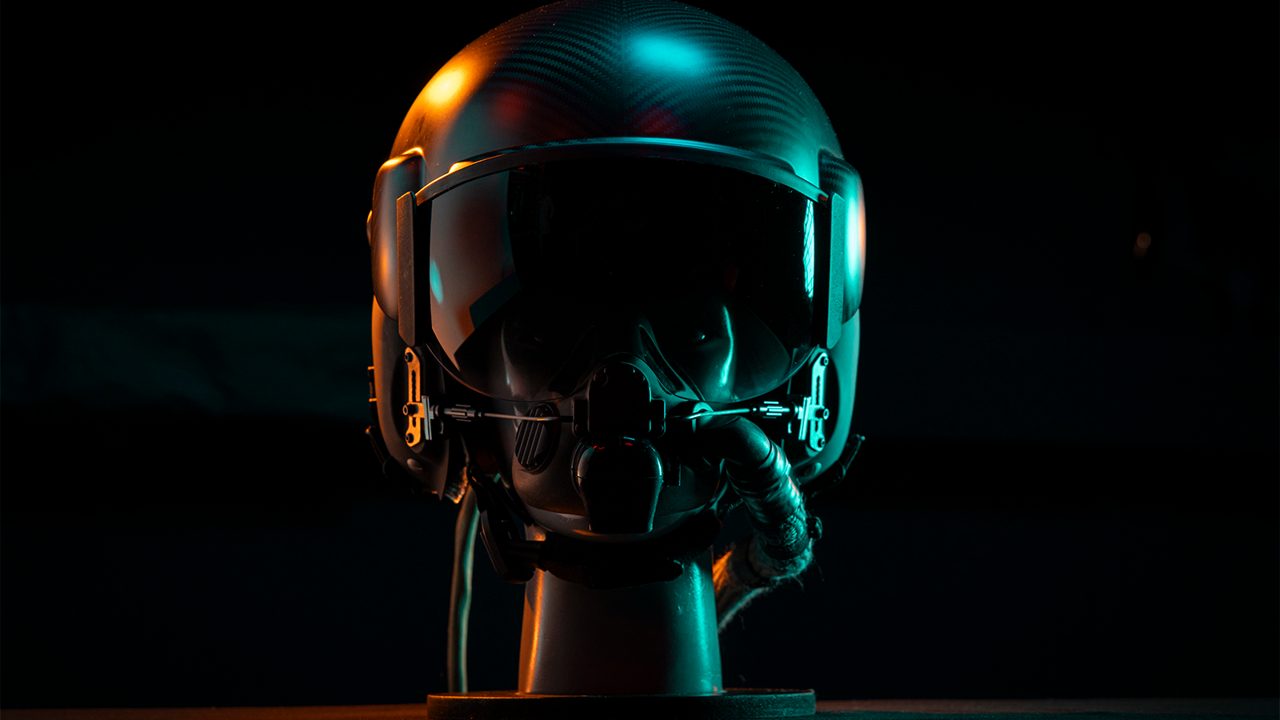
BAE Systems has revealed a prototype helmet designed to help fighter pilots command fleets of drones, signaling where European aerospace defense spending is heading.
BAE Systems used the Farnborough Airshow this week to unveil Project Intuity, a helmet-mounted display built to let fighter pilots direct multiple drones directly from the cockpit. The prototype projects filtered data onto a visor twice the size of current systems, keeping a pilot's eyes on the sky rather than looking down at cockpit instruments.
The system uses head tracking and 3D audio cueing, with an architecture flexible enough to incorporate emerging technologies like eye tracking. BAE says the prototype is lighter than existing models due to new materials and microelectronics, building on the 1,000 helmet-mounted displays the company already has in service across 10 countries.
The rollout reflects a broader military pivot toward crewed jets acting as airborne command centers for uncrewed wingmen. “As allies move towards aircraft that act as combat command centers, future operations will demand that pilots process more information from more sources than ever before,” said Andrew Macklin-Smith, BAE’s product line director for helmet-mounted displays. “Through Project Intuity, we’re addressing that challenge by integrating the technologies to allow pilots to command fleets of drones in the skies,” he added. “This system will achieve that by filtering and presenting the most important information clearly and within the pilot’s natural field of view.”
For European defense investors, the prototype highlights how the industry's product mix is evolving. The U.S. is leading the charge, asking Congress for nearly $1 billion this year to procure Collaborative Combat Aircraft, but European militaries face the same tactical pressures to integrate drones for reconnaissance, electronic warfare and strikes.
BAE has not tied the demonstrator to a specific program or set a service date, but the technology is designed to be slotted into new helmets or retrofitted to existing ones. This offers a clear upgrade path for current fighter fleets as allied air forces move toward teaming crewed jets with semi-autonomous drones.
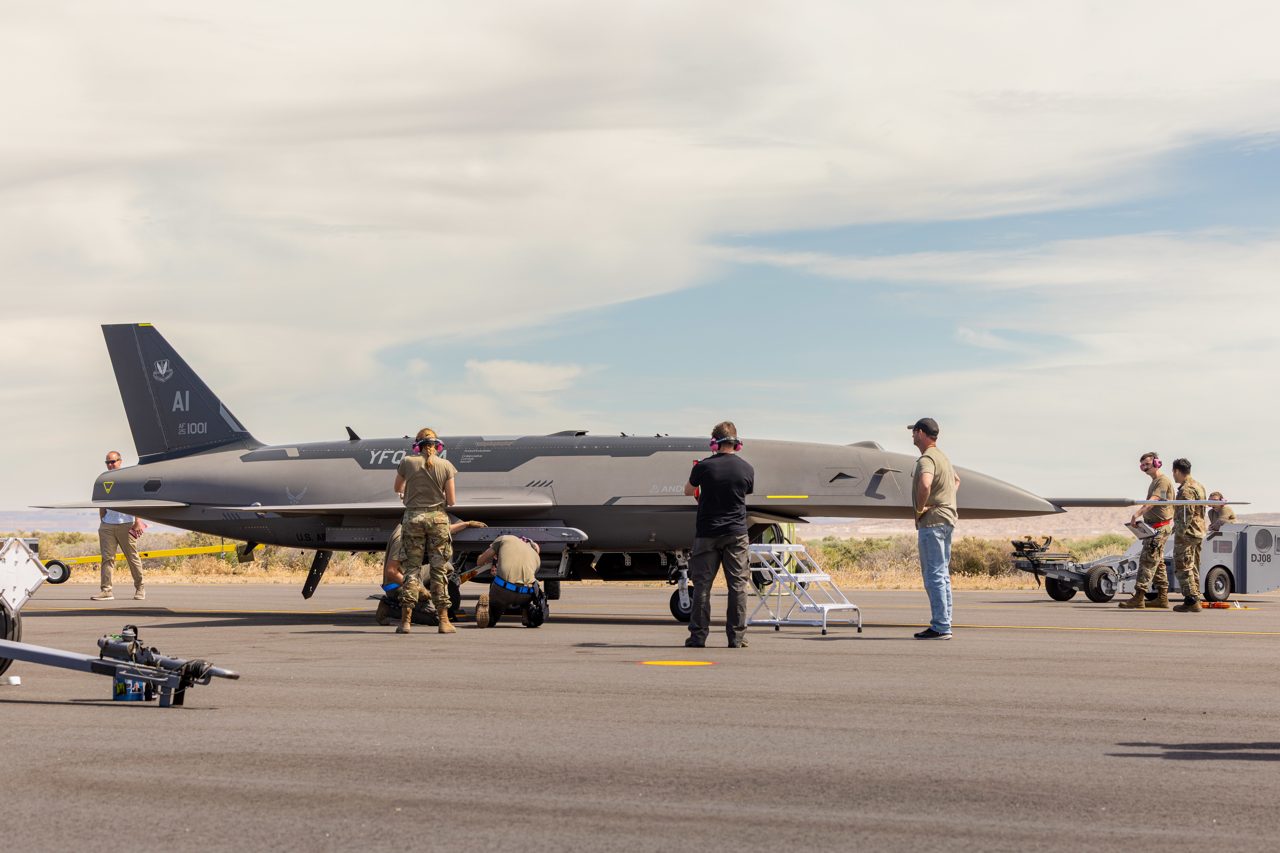
Human-machine teaming is rapidly moving from theory to practice. The U.S. Navy announced in January that F-35 pilots controlled autonomous drones using tablets during training, and the Air Force recently completed its first live-fire test with an Anduril-made YFQ-44A drone. “Modern warfare is demanding more from our aviators,” said Rear Adm. Todd Evans, noting that such exercises give pilots “the advanced tactics they need to win future battles.”