Colossal Biosciences eyes $20bn-$30bn valuation in new round
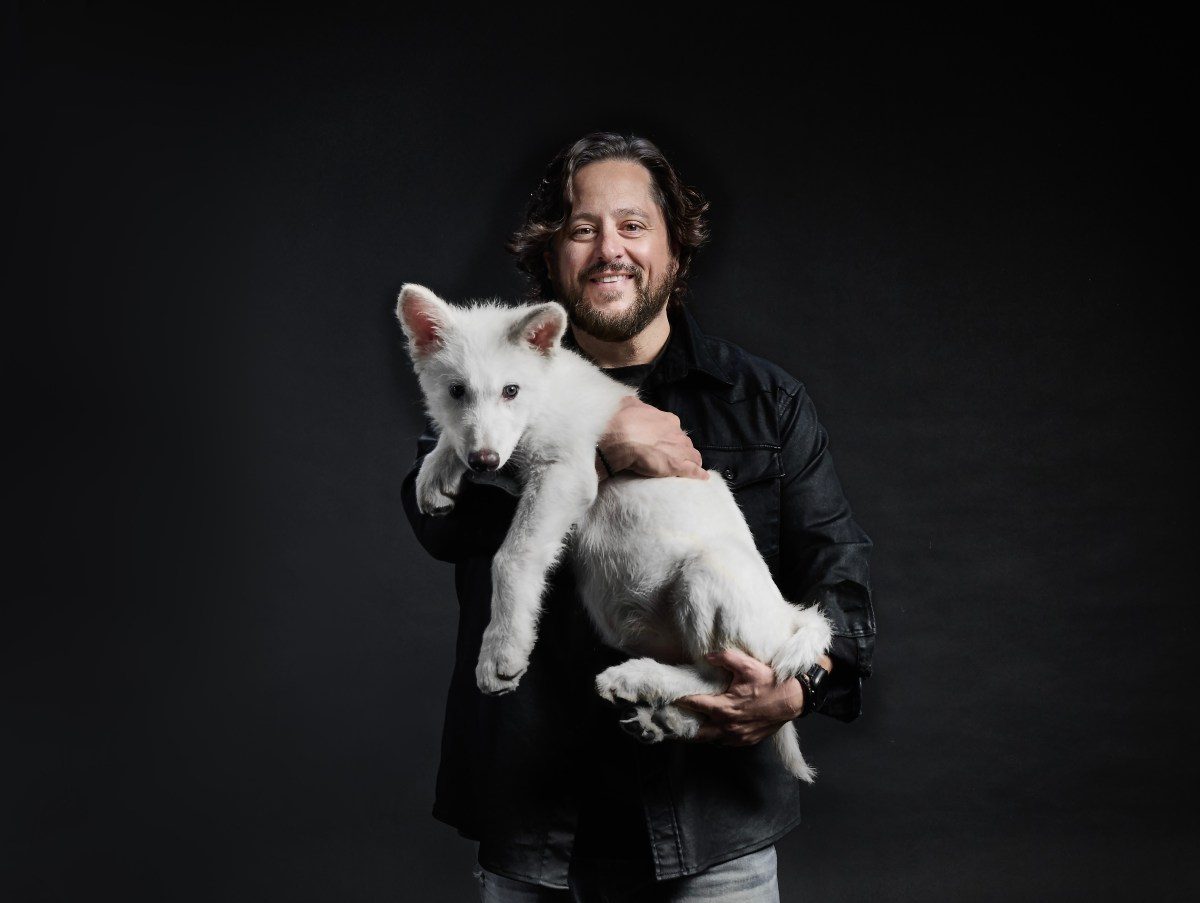
Texas-based Colossal Biosciences is in talks to up to triple its valuation to $30 billion, reflecting surging investor appetite for deep-tech biodiversity ventures that could eventually reshape global conservation markets.
Colossal Biosciences is in discussions to raise new funding at a valuation between $20 billion and $30 billion, a sharp increase from its $10.2 billion valuation roughly 16 months ago. The five-year-old Dallas company has also begun generating revenue over the past year, though it has not disclosed the lead investor or the target fundraising amount.
For European investors and policymakers, the startup's rapid valuation growth underscores a broader capital boom in longevity, alternative energy and deep-tech sectors. The company's trajectory highlights growing institutional confidence in the commercial viability of synthetic biology. This matters as European capital increasingly competes for stakes in frontier technologies that bridge environmental conservation and life sciences.
Rather than waiting for its primary goal of resurrecting species like the woolly mammoth and the dodo, the company is monetizing its underlying technology today. Colossal has spun out three companies: Breaking, which focuses on breaking down plastics; Form Bio, a computational biology platform that raised $30 million; and Astromech, an AI-driven predictive modelling company that reached a $2 billion valuation in March.
The startup is also securing government contracts and international backing. It has provided conservation technology to the U.S. government and recently secured a $60 million investment from the UAE. Furthermore, its nonprofit arm, the Colossal Foundation, partnered with the University of Tasmania in May to help protect Tasmanian devils from a contagious facial cancer.
Looking ahead, co-founder and CEO Ben Lamm told TechCrunch that the company plans to spin off its artificial animal womb technology next year, noting potential applications for human fertility treatment in comments to Rolling Stone. If the company successfully reintroduces extinct animals, Lamm said it may eventually sell biodiversity credits—a market-based mechanism similar to carbon credits. Given the European Union's expanding regulatory framework for sustainability reporting, the emergence of a traded biodiversity credit market could carry significant implications for European corporate compliance.
Colossal did not respond to requests for comment. The company recently added the bluebuck antelope as its sixth target species as it continues to expand its operations from its 55,000-square-foot headquarters.