Burnham names Healey chancellor as UK faces spending crunch
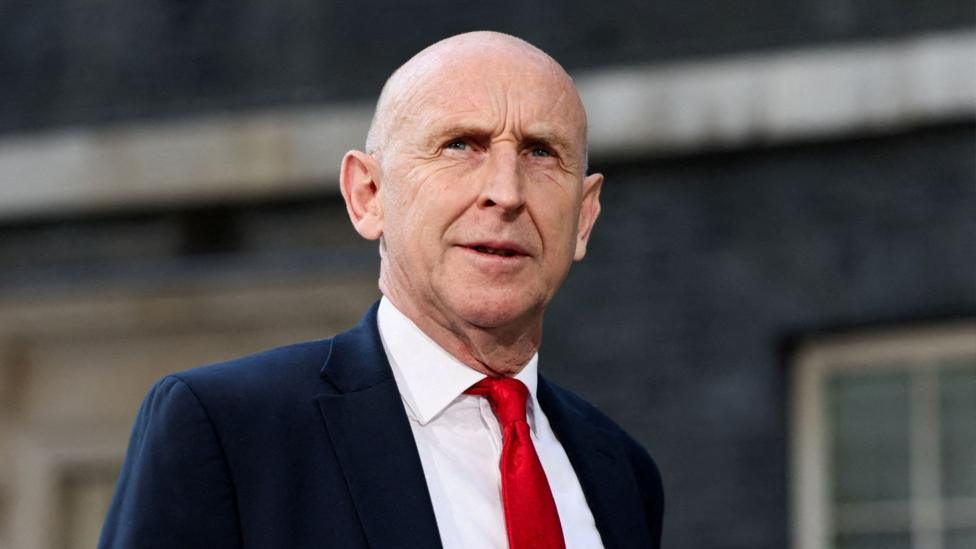
Andy Burnham has become UK prime minister and appointed a Treasury critic as chancellor, creating immediate fiscal uncertainty as the new government promises heavy spending on defence and domestic priorities.
Andy Burnham has taken office as UK prime minister, naming John Healey as chancellor in a late-night reshuffle that purged several allies of his predecessor, Sir Keir Starmer. The new cabinet held its first meeting at lunchtime, following a nocturnal appointment process that left ministerial candidates waiting in a minibus inside Downing Street past 22:00 BST.
The appointment carries immediate implications for the UK's fiscal direction. Healey takes control of the Treasury weeks after dismissing a "Treasury orthodoxy that's a dead hand on dynamic government" that treats "defence as a drain rather than a driver of growth."
In his recent resignation letter, Healey insisted Britain must set "a headmark date for 3% of GDP on defence in 2030" as a strict target. He now faces the task of making those numbers add up from inside the very department he previously criticised.
Burnham and Healey share an economic outlook built on reindustrialisation and devolution. However, the new prime minister has outlined a costly set of domestic priorities without price tags. His agenda includes a council house building programme in England, raising the income tax threshold and overhauling social care.
Burnham promised voters "breathing space" to "help with the cost of living." He pledged that announcements on these policies would begin immediately, "including how we pay for them."
For markets and investors watching the UK economy, the central tension is clear. The new administration is proposing significant new expenditures on both defence and domestic social policies without yet detailing the funding mechanisms. Healey, a Treasury minister between 2002 and 2007, must now reconcile his previous attacks on Treasury caution with his role as the arbiter of public finances.
The political overhaul was comprehensive. David Lammy, Darren Jones, Peter Kyle, Lord Hermer and Steve Reed were all removed, while Rachel Reeves was offered a cabinet post but declined. Wes Streeting, whose resignation two months ago eroded Starmer's authority, returns as defence secretary.
The swift removal of the previous economic team leaves few concrete clues about the incoming government's actual fiscal strategy. Burnham's policy announcements resemble a wish list that still lacks a clear financial framework. European investors will be looking closely at the coming days to see if the new chancellor can translate these ambitions into a credible budget.