Ed Miliband leaves UK energy post for Foreign Office amid global climate push

Ed Miliband’s shift from energy secretary to foreign secretary transfers the momentum of Britain’s domestic clean power transition to the global stage, testing the UK's commitment to its 2030 decarbonisation targets.
Ed Miliband has been moved from his role as UK energy secretary to the Foreign Office, concluding a tenure that accelerated Britain’s domestic clean power transition. The reshuffle transfers the architect of the country's 2030 decarbonisation strategy away from domestic energy markets just as the government faces intense lobbying over new North Sea fossil fuel projects.
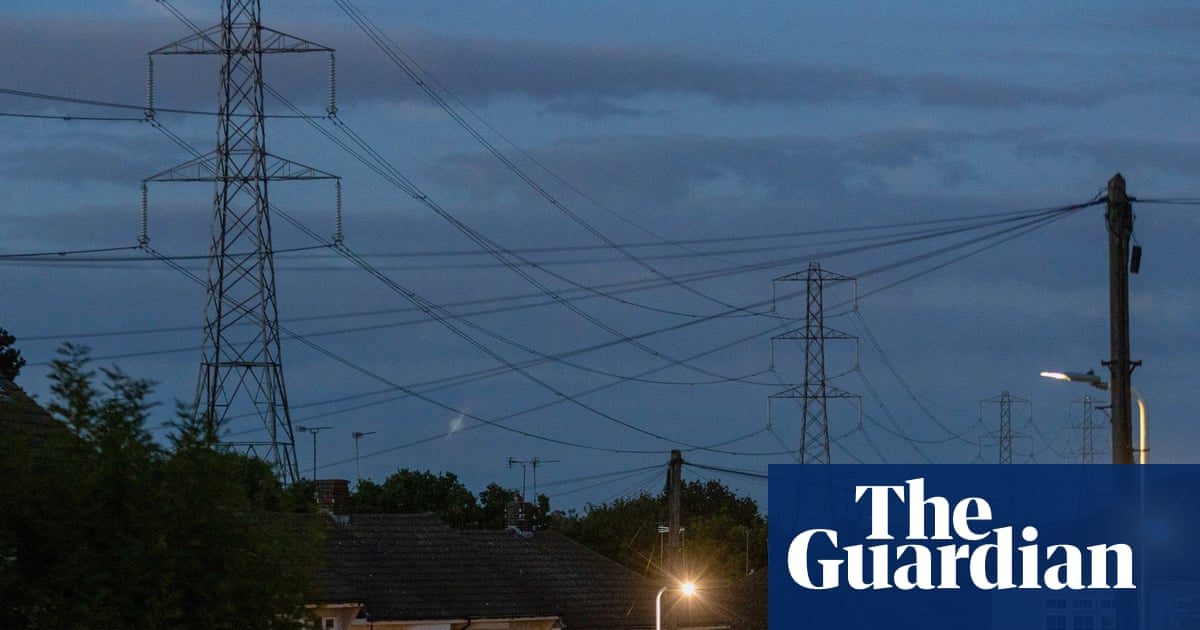
During his time at the energy department, Miliband oversaw a rapid expansion of renewable infrastructure, lifting the onshore wind ban and reforming a chaotic grid connection queue. The government secured enough low-carbon generation contracts to supply roughly 23 million homes and outlined plans to support 400,000 people in low-carbon jobs. These initiatives are vital for British commerce, as companies have been heavily damaged by energy prices sitting about 45 per cent above the G7 median.
This domestic progress has provoked fierce resistance from political factions and the fossil fuel industry. Lobbying groups have pushed for the approval of the Jackdaw gasfield and Rosebank oilfield, pressuring the prime minister to authorise new drilling. While Miliband previously condemned such projects, approving them would not technically breach the manifesto ban on new licences already within the planning system.
The intense briefing against Miliband highlights the deep pockets of vested interests challenging the transition. Ami McCarthy of Greenpeace UK pointed to the coordinated smears funded by fossil fuel interests, while the CBI has clarified that net zero policies are not the culprit behind high bills. The business group noted that energy prices would have been much higher without these green reforms, which are estimated to save average households around £150.
His departure from the energy portfolio will be closely watched in Brussels, where European officials rely on stable UK partnerships for cross-border energy and climate goals. Teresa Ribera, the European Commission vice-president for the green transition, described Miliband as one of the most skilful and respected negotiators she has worked with since 2008.
The move to the Foreign Office places Miliband at the centre of a fractured global climate diplomacy landscape. With the US stepping back and uncertainty growing across Europe and Asia, Mohamed Adow of the Power Shift Africa thinktank noted that ambitious climate action and economic renewal must go hand in hand on the international stage.
Domestically, the new energy secretary will inherit the complex task of decoupling electricity prices from volatile gas markets. While Miliband’s reforms have driven record renewable contracts, the broader transition requires sustained investment to overcome coordinated industry opposition and deliver long-term energy security.