Europe has few economic tools left to pressure Moscow, expert warns
The West has effectively exhausted its non-military leverage against Moscow, leaving Europe facing a prolonged conflict where Russian economic dysfunction alone is unlikely to force a peace deal.
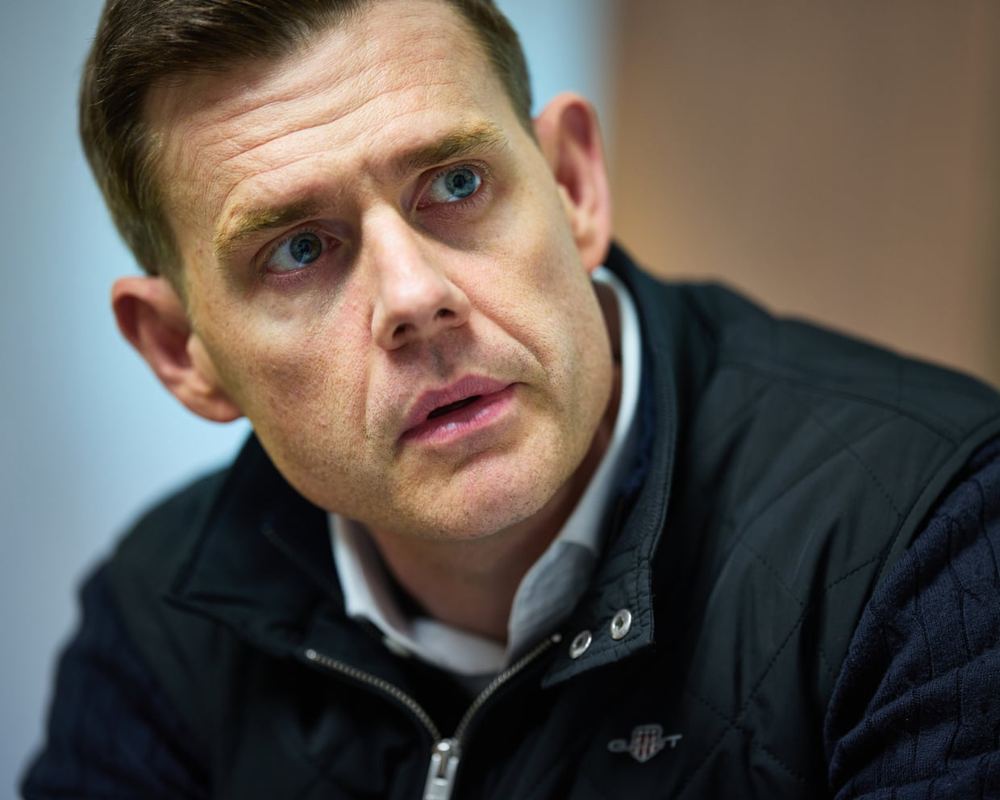
Czech foreign policy expert Filip Scherf says Western nations have run out of economic and diplomatic options to force an end to the war in Ukraine. "The Kremlin has staked its own future on it, and its survival depends on the outcome," Scherf said, meaning external pressure is no longer sufficient to change Moscow's calculus.
Russia is facing compounding crises across its military, political elite, and economy. Ukrainian strikes on refineries have exacerbated a worsening domestic fuel shortage, placing the Russian war economy under growing pressure. Ordinary Russians are feeling the strain through a deteriorating economy, internet censorship, and attacks on their cities. Even official polls approved by the presidential administration show a decline in Putin's popularity tied to the ongoing conflict.
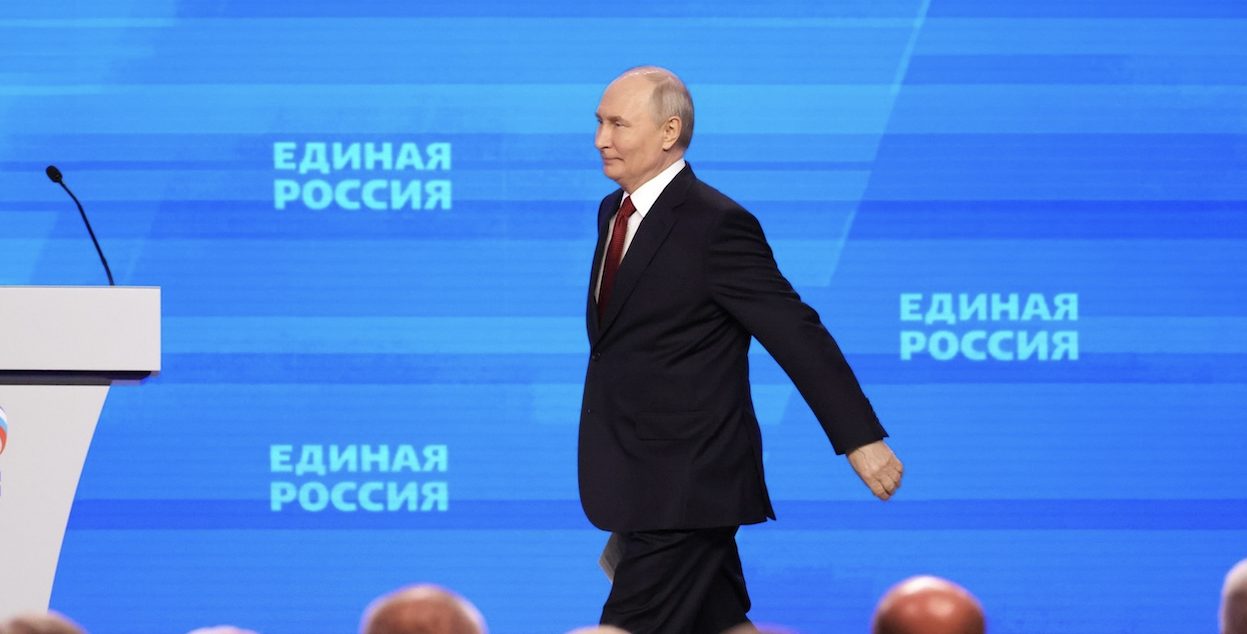
Despite these domestic issues, Putin remains boxed in. He cannot afford to end the war without claiming victory, because "integrating them into peacetime society could be fundamentally problematic." Furthermore, agreeing to negotiations under Ukrainian pressure would make him appear weak, undermining a central pillar of his leadership.
For European governments and investors, the most pressing takeaway is that Western sanctions have reached their practical limits. Proposed US secondary sanctions, championed by the late senator Lindsey Graham, are highly unlikely to be implemented. Such measures would inflict fundamental damage on the United States and its allies by disrupting mutually beneficial trade.
European businesses should also not assume Russian diplomacy is failing. While Moscow struggles in public European forums, it maintains active behind-the-scenes contacts with receptive politicians and industrialists across the continent. These channels are explicitly aimed at laying the groundwork for the eventual restoration of trade relations.
This covert economic outreach is bolstered by Moscow's success in the Global South, where the BRICS grouping has expanded and the Shanghai Cooperation Organisation has deepened its partnership with China. Ukrainian attacks on Russian energy infrastructure may slowly erode elite confidence, but only a drastic internal threat will force a withdrawal. For Europe, this means the current economic standoff is set to persist until the Russian system fractures from within.