Housing focus secures communist mayor's re-election in Graz
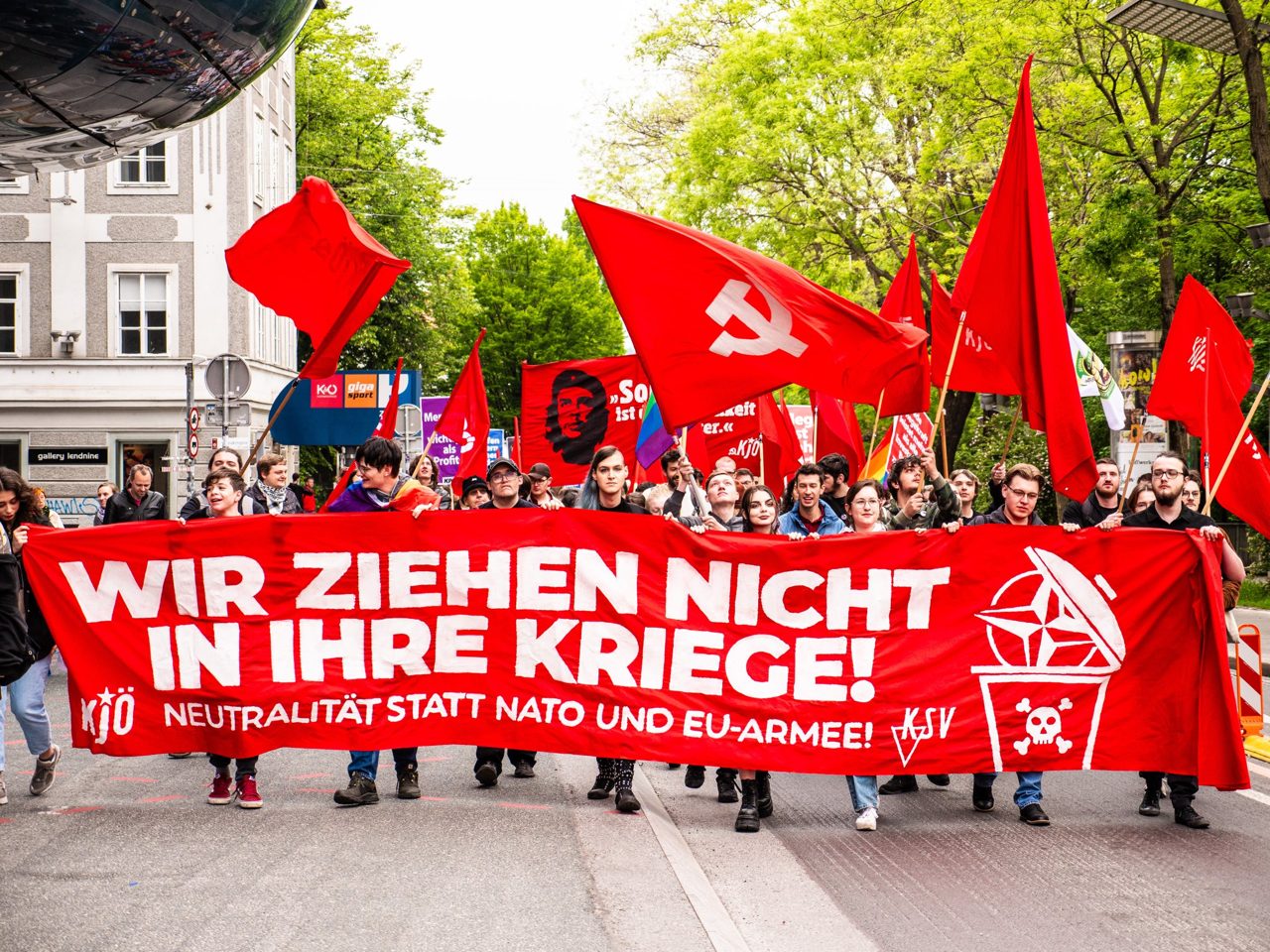
Elke Kahr’s Communist Party has won re-election in Austria’s second-largest city by prioritising affordable housing, illustrating how Europe's cost-of-living crisis is reshaping local politics and overriding traditional ideological divides.
The Communist Party of Austria (KPÖ) has secured a repeat victory in Graz, the country’s second-largest city, cementing the grip of mayor Elke Kahr. The June result confirms a political realignment first sparked by the party’s surprise 2021 win, driven almost entirely by local economic issues rather than traditional left-wing ideology.
Kahr’s administration has treated the city’s housing shortage and rising living costs as an emergency. Over the past five years, the municipality has renovated or built hundreds of public flats, frozen waste collection fees and reduced admission prices for public swimming pools. The government also cut subsidies to political parties, redirecting the funds to social projects like Küche Graz, which delivers 15,000 meals a day to schools and nurseries.
This focus on practical utility has broadened the party’s appeal well beyond its traditional working-class base. Affluent residents in the city's historic centre, including a bank clerk who described living in a privileged bubble, have expressed strong support for the administration. One floating voter noted that while he generally opposes communism, he backs Kahr because municipal constraints prevent her from pushing through ideological goals.
Analysts point out that the KPÖ has effectively created a left-wing populist alternative in a region increasingly dominated by the far right. “They present themselves as something new and different from the established parties. I know it sounds strange, but yes, it is possible,” said Katrin Praprotnik, a political scientist at the University of Graz.
The party’s current success masks a history of staunch pro-Kremlin loyalty, including past support for the suppression of the 1968 Prague Spring. However, Miroslav Kunštát, an Austrian politics expert at Charles University in Prague, noted that Kahr’s wins stem from a strictly non-ideological municipal policy focused on practical problems. As mayor, Kahr has even distanced herself from past expressions of admiration for the Yugoslav leader Josip Broz Tito.
The strategy traces back to local councillor Ernest Kaltenegger, who launched a tenant hotline in 1992 and established housing as the party’s core identity. Kahr, who grew up in a poor housing estate and took over Kaltenegger’s housing portfolio in 2005, operates highly visible consultation hours where she personally helps residents secure flats or charity aid. “We cannot keep comforting people forever with the promise of a better world,” Kahr has said.
For European cities grappling with severe affordability crises, Graz offers a clear lesson. Voters across the income spectrum are willing to abandon established centrist parties and overlook