Copenhagen Estate Fights Retroactive Demolition Under Danish Ghetto Law
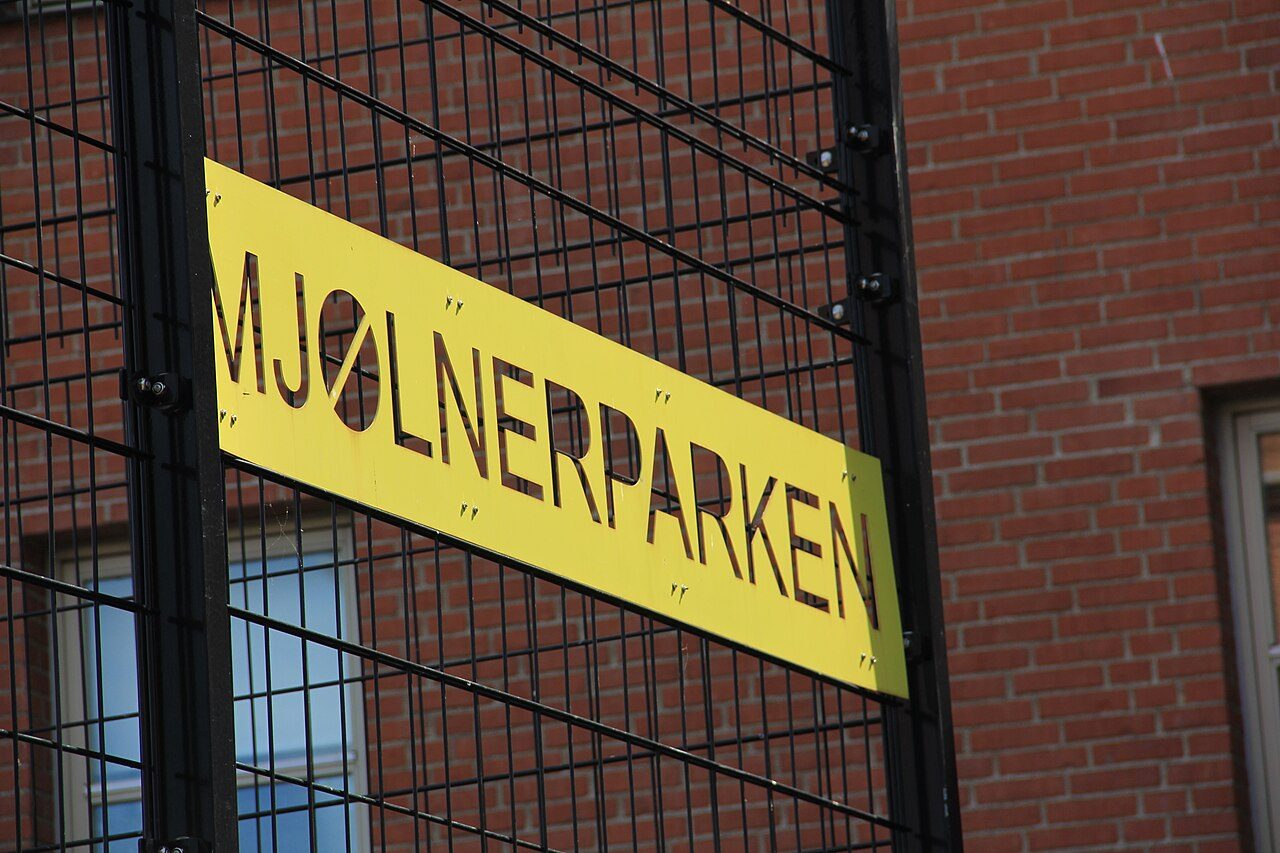
Residents of Mjølnerparken are resisting the immediate dismantling of their social housing estate under Denmark’s 2018 integration law, raising broader questions about regulatory uncertainty in European urban housing markets.
Residents at the Mjølnerparken social housing estate in Copenhagen are fighting government mandates to dismantle their neighborhood. The estate, located in the city's trendy Nørrebro district, has been subjected to a forced reduction of its housing stock under Denmark’s 2018 "Ghetto Law." Normally, such vulnerable areas are given time to improve their statistics before facing drastic measures.
The legislation was announced in 2018 by then-Prime Minister Lars Løkke Rasmussen to dismantle so-called "parallel societies" and address immigrant integration. To achieve this, the state designates "vulnerable residential areas" based on high unemployment, low educational attainment, and elevated crime rates. Crucially, the law applies exclusively to estates where at least half of the residents are non-Western immigrants and their descendants.
By design, an area must remain on the state's list for several consecutive years to be classified as a "hard ghetto" before demolition begins. However, Majken Felle, a 52-year-old teacher in the estate’s Residents’ Association, notes that Mjølnerparken was essentially born on the list. "The law applied retroactively, so we were affected right from the start," she says.
Urban Market Interventions
For European public housing providers and urban planners, the situation at Mjølnerparken highlights the severe regulatory risks tied to politically driven social engineering. By applying the law retroactively and continually shifting the statistical thresholds required to escape the list, the Danish government introduces abrupt volatility into the public housing sector. This forces the sudden removal of affordable housing inventory from major urban centers.
Rather than utilizing market-based solutions or direct socio-economic interventions to boost local employment, Denmark is employing a blunt physical restructuring model. As European capitals look for solutions to integrate immigrant populations, the aggressive dismantling of established communities in Copenhagen serves as a high-profile test case. It demonstrates how political mandates can override standard real estate and community planning timelines.