CJEU defines copyright pastiche exception in landmark Kraftwerk case
The EU’s top court has ruled that artists can only legally sample existing works without permission if they establish a "creative dialogue", bringing the bloc's copyright framework closer to US standards and offering clarity for the creative industries.
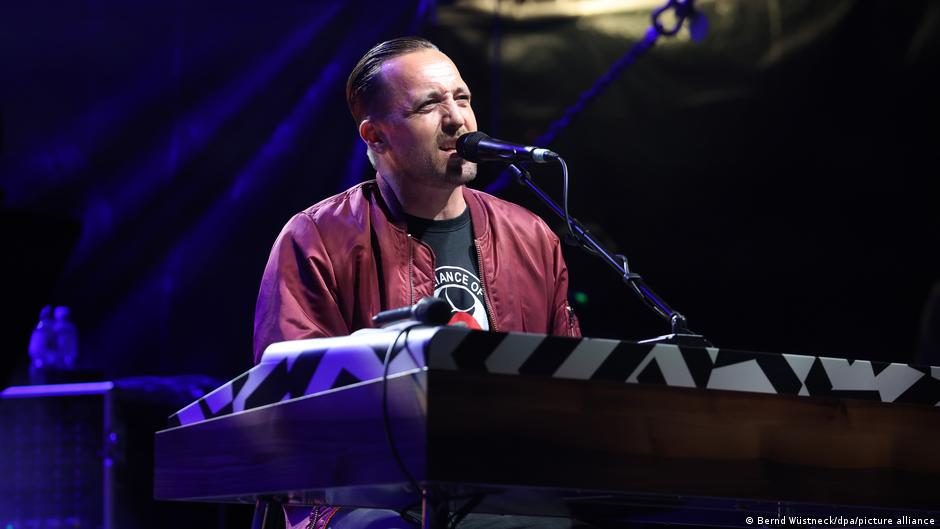
The Court of Justice of the European Union has issued a ruling that reshapes how copyright infringement is handled across the bloc's creative industries. The decision resolves a longstanding dispute involving German music producer Moses Pelham, who used a sample from the prog-techno group Kraftwerk in 1997 without permission.
To legally utilise existing material without authorisation, the court ruled that an artist must now be engaged in an "artistic or creative dialogue" with the appropriated work. Under this new standard, the resulting creation must evoke the original while remaining noticeably different. The court noted that this could take the form of stylistic imitation, tribute, or humorous and critical engagement.
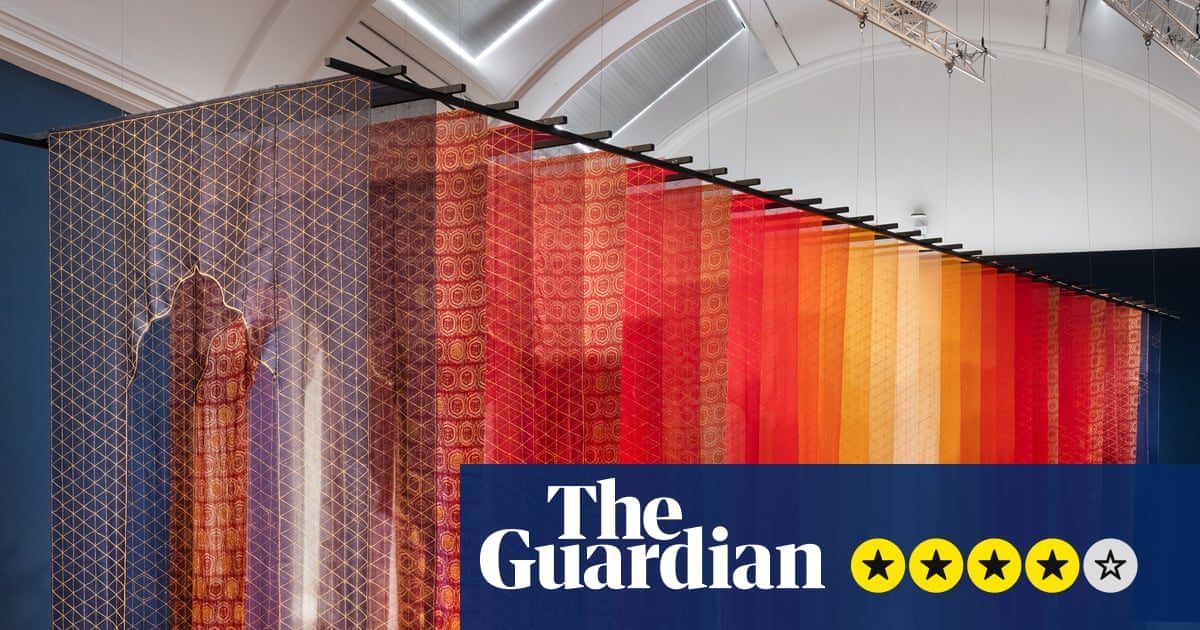
While initiated by a music dispute, the legal precedent applies to visual arts, literature, and film. The framework protects artistic practices that rely heavily on pre-existing material, such as collages and video mashups. Works like Christian Marclay’s The Clock, which splices thousands of short film scenes, or Lubaina Himid’s Freedom and Change, which reimagines Picasso’s Two Women Running on the Beach, fit comfortably within this definition.
For Europe's cultural economy, the ruling provides long-needed clarity on intellectual property boundaries. It strikes a balance between compensating original rights holders and allowing subsequent creators the freedom to build upon existing culture. By centring on artistic transformation, the decision effectively brings EU copyright law closer to the US "fair use" doctrine.
There are, however, distinct differences that European artists and rights holders must navigate. US fair use focuses heavily on whether a piece has been transformed to convey new meaning or aesthetics, a metric tested in high-profile cases involving artists like Jeff Koons and Richard Prince. The EU standard goes a step further by mandating that any transformation must be an explicit creative engagement with the source material.
The ruling also highlights the growing legal divergence between the EU and the UK following Brexit. British law has permitted fair dealing for pastiche and parody since 2014. However, UK courts are no longer obligated to adopt the EU’s "creative dialogue" framework, leaving the future of cross-channel copyright litigation uncertain.
Many countries outside Europe still lack a specific pastiche exception, which can leave artists vulnerable to litigation. For professional creators operating within the EU single market, the new ruling offers a concrete legal safe harbour, provided their new work genuinely dialogues with the material it borrows.