Burnham names Healey as chancellor, Streeting to defence
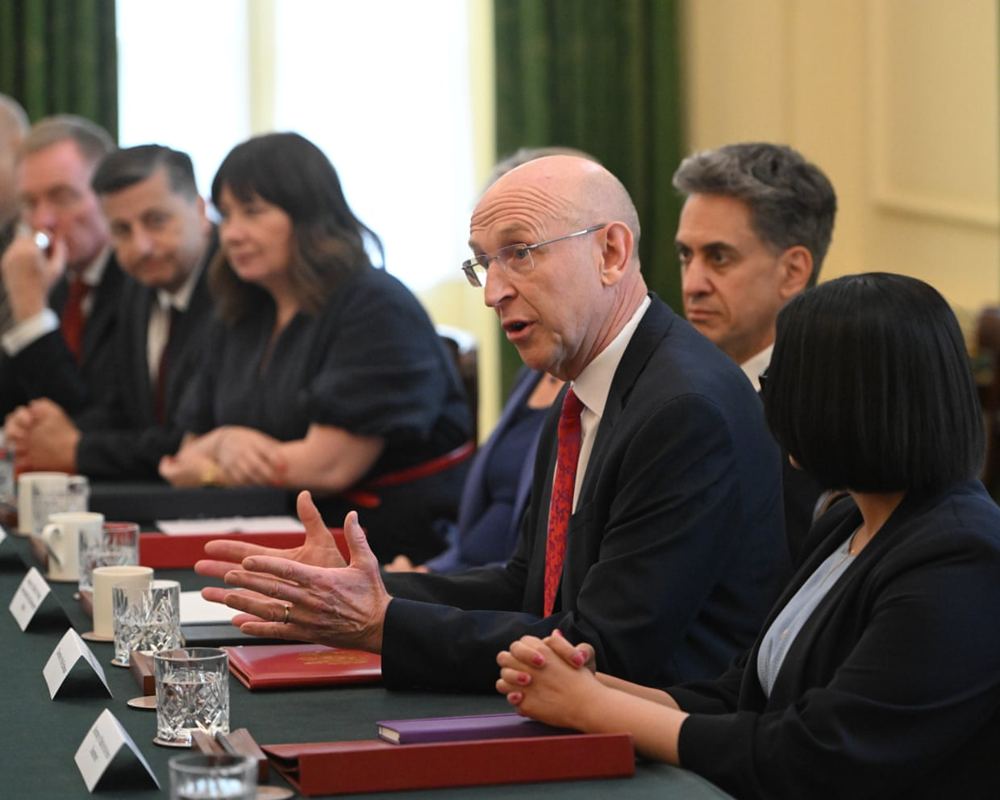
Andy Burnham has appointed John Healey as chancellor and Wes Streeting as defence secretary, choices that point to higher military spending and cast doubt on the UK's ability to break from its traditional economic orthodoxy.
Andy Burnham has named former defence secretary John Healey as chancellor, replacing Ed Miliband, who moves to foreign secretary. Wes Streeting, the former health secretary, takes over the defence brief.
Healey’s appointment to the Treasury suggests Burnham’s government may maintain orthodox fiscal policies rather than pursuing a radical state-led economic overhaul. His track record contrasts sharply with that of Miliband, who as energy secretary established the publicly owned Great British Energy and championed state intervention in the economy. Healey served as a minister in Gordon Brown’s Treasury, an era defined by financial deregulation and a reliance on the City of London.
As chancellor, Healey will now have to manage the financial fallout of his own previous calls for higher defence spending. The former defence secretary resigned from Keir Starmer’s cabinet to push for increased military budgets, despite a defence review that subsequently revealed an £18 billion funding black hole.
Funding this increased military expenditure without breaching fiscal rules could require deep cuts to welfare spending. This prospect is heightened by the retention of veteran rightwinger Pat McFadden at the Department for Work and Pensions.
Healey’s push for more defence cash also comes amid questions about the efficiency of the UK's military procurement. The country spends 30% more on defence than France, yet sustains a smaller, less ready and less-capable military, according to defence analysts. The UK defence market is highly concentrated, with the ten largest suppliers receiving nearly 40% of all Ministry of Defence spending in the 2024-25 financial year. Furthermore, almost half of all defence contracts were awarded without any competitive tendering process.
There are, however, signs of continued state intervention in the housing market. Healey previously oversaw the state’s repurchase of more than 36,000 military family homes. His appointment as chancellor, alongside Angela Rayner as housing secretary, may signal momentum for a mass council-housebuilding programme, reviving a past Labour commitment to build 100,000 council homes a year.
Miatta Fahnbulleh replaces Miliband as energy secretary, potentially maintaining an interventionist industrial policy. Burnham’s wider economic team also includes Jim O’Neill, the former Goldman Sachs chief economist, who favours applying greater flexibility to the fiscal rules that constrain Britain’s ability to invest.