Burnham reshuffle punishes Starmer loyalists, rewards rebels
Former PM’s supporters question pledge to end factional infighting after more than half his cabinet removed or demoted Keir Starmer’s allies have questioned Andy Burnham’s pledge to end factional infighting after he removed or demoted more than half of the outgoing prime minister’s cabinet in his first reshuffle . “This was a deeply factional cabinet reshuffle,” one said. “The idea it was anything else is ridiculous.” Continue reading...
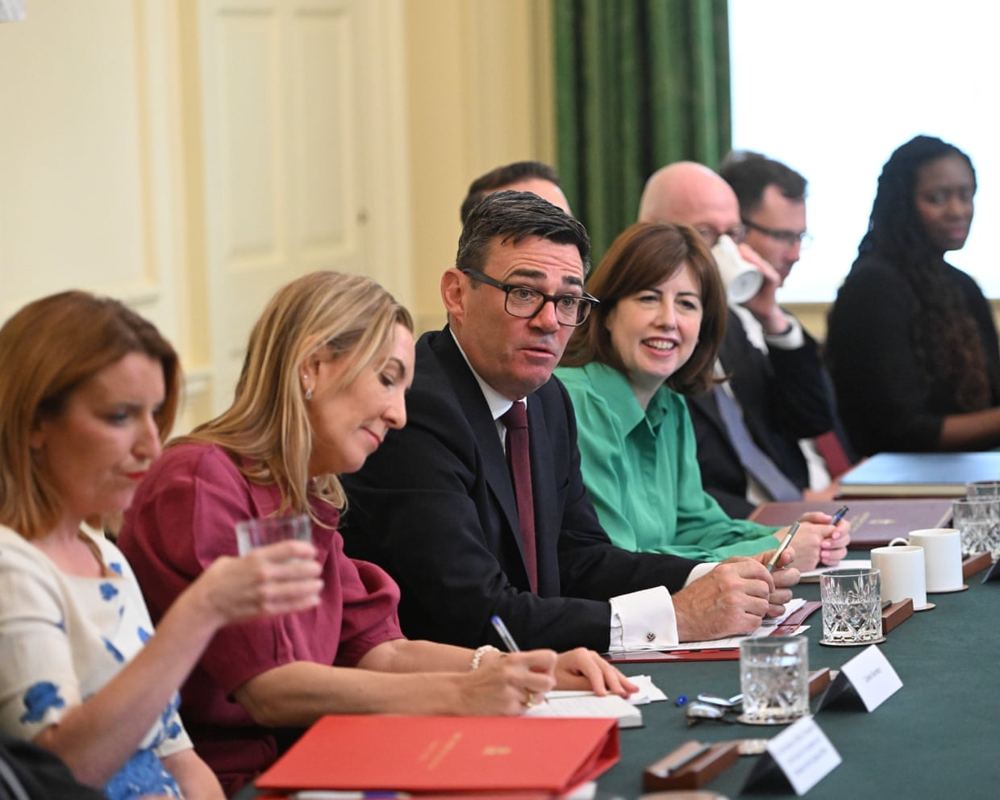
Andy Burnham has removed or demoted more than half of Keir Starmer’s outgoing cabinet in his first act as UK prime minister. The reshuffle sparked immediate accusations from former allies that the move was driven by factional retribution rather than competence.
Nick Thomas-Symonds was sacked as Cabinet Office minister, while Bridget Phillipson lost the education brief though she remains equalities minister. Both were viewed as quietly diligent. In contrast, Wes Streeting and John Healey, who undermined Starmer by resigning, were rewarded with top roles.
"It’s less a purge of Starmerites than getting rid of people who were loyal to a Labour leader, while promoting people who were serially disloyal," one outgoing official said. "That’s a dangerous message to send your MPs."
For European partners watching London, the transition raises early questions about the internal cohesion of the new administration. A government navigating complex post-Brexit trade and security relationships with the continent requires a unified front. Instead, Burnham's first personnel decisions suggest a leader settling internal political scores.
"This was a deeply factional cabinet reshuffle," a Starmer ally said. "The idea it was anything else is ridiculous."
The overhaul has also triggered concerns over female representation in senior government ranks. Only one of the four great offices of state is now held by a woman, a sharp drop from three under the previous administration. Observers also noted that more senior male Number 10 staff survived the transition than female staff.
Some within the party argue the personnel changes were handled gracefully, noting that Burnham called outgoing ministers directly. His deputy chief of staff, Alison Phillips, also offered special advisers the chance to discuss their futures. "Becoming leader of a party involves having to promise things to a lot of different people, and you can see that in some appointments," a former official noted.
The outgoing team had a month to digest Starmer’s decision to stand down, culminating in a gathering of the former prime minister, his ex-chancellor Rachel Reeves, and departing officials at a north London pub on Monday. The mood was described as "jovial, but with more than a hint of anger" among a group one source called "a family, bonded through fire". Another added that while it felt hard, there was a sense of "handing over the country in a better place".
Despite the bruised feelings, there remained a pragmatic acceptance of political realities among the departing staff. "You sign up to this knowing it’s not a job for life, and that it will come to an end," one source said. "But it’s still a privilege. Labour governments don’t come around very often."