Germany signs Azerbaijan strategic pact to secure gas, trade routes
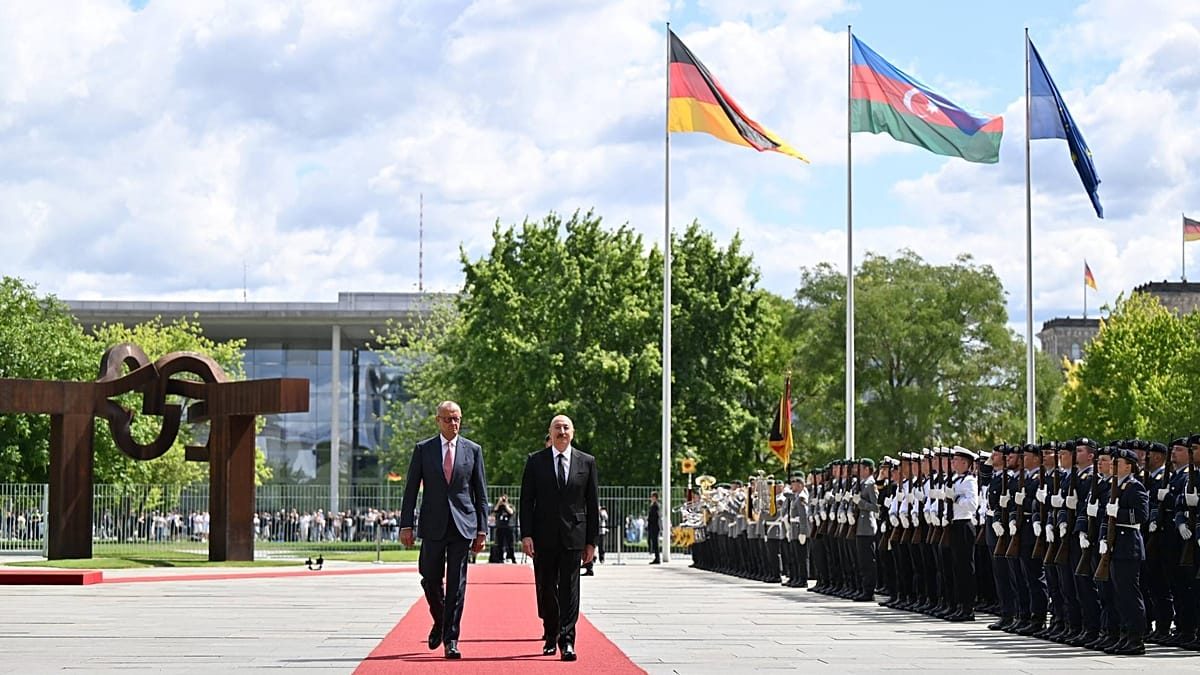
Germany has formalised a strategic partnership with Azerbaijan, securing expanded gas deliveries and backing a trans-Caspian trade route to reduce Europe’s reliance on Russian energy and logistics.
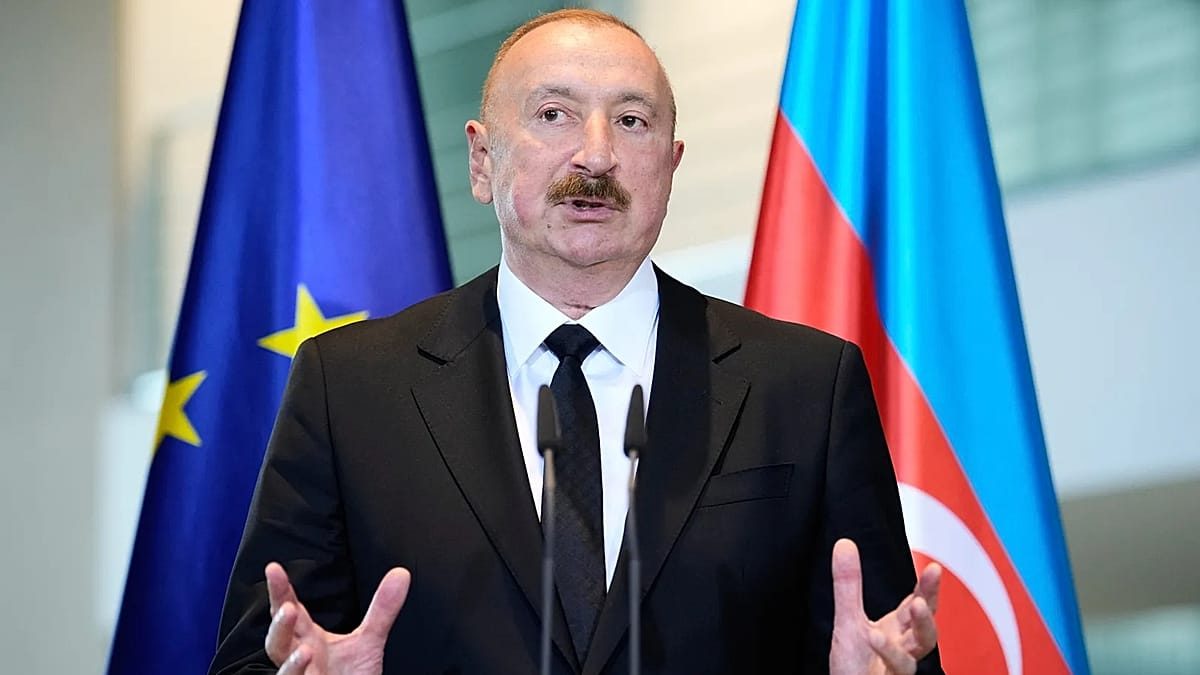
Chancellor Friedrich Merz and Azerbaijani President Ilham Aliyev signed a joint declaration on a strategic partnership in Berlin on Tuesday, covering energy, transport, trade and investment. The agreement makes Germany the second European nation, after Italy, to establish this level of formalised ties with Baku. “I would like to express my gratitude to President Ilham Aliyev,” Merz said. “You are creating an opportunity for us to receive larger volumes of gas from Azerbaijan. This issue is also reflected in the Joint Declaration that we signed today.”
The deal cements Berlin’s shift away from Moscow following the 2022 invasion of Ukraine. Azerbaijani gas began flowing to Germany in 2024 via the Southern Gas Corridor, and Aliyev expects annual deliveries to reach 2 billion cubic metres by next year. “Azerbaijan is ready to increase energy supplies to Germany and other European Union countries as Russia’s energy infrastructure continues to suffer damage from the war in Ukraine,” Aliyev said. Baku currently supplies around 12 billion cubic metres of gas annually to Europe, primarily to Italy, Greece, Bulgaria and Hungary.
Beyond fossil fuels, the talks highlighted the Middle Corridor, a trade route linking China to Europe through Kazakhstan, the Caspian Sea, the South Caucasus and Turkey. As a major industrial economy heavily dependent on Asian imports, Germany has a direct interest in bypassing trans-Russian logistics. Aliyev noted that freight volumes through the corridor have grown as Baku expands its port at Alat, a route made more vital by the ongoing US-Iran war disrupting the Strait of Hormuz.
Analysts note the agreement signals a maturing relationship that extends beyond raw resource extraction. “For the first time at such a high level, bilateral cooperation includes green energy, low-carbon hydrogen, digital transformation, industrial modernisation, transport connectivity and innovation,” said Orkhan Yolchuyev, director and co-founder of the CASPIA analytical think tank in Baku. “Germany increasingly sees Azerbaijan not only as an energy supplier but also as a partner for new industrial and logistics projects linking Europe, the South Caucasus and Central Asia.”
The geopolitical dimension of the visit was acknowledged directly by German President Frank-Walter Steinmeier, who described both nations as “islands of stability” amid global conflicts. Meanwhile, Merz publicly urged Azerbaijan and Armenia to finalise their long-awaited peace agreement.