Healey named UK chancellor to fund spending under tight fiscal rules
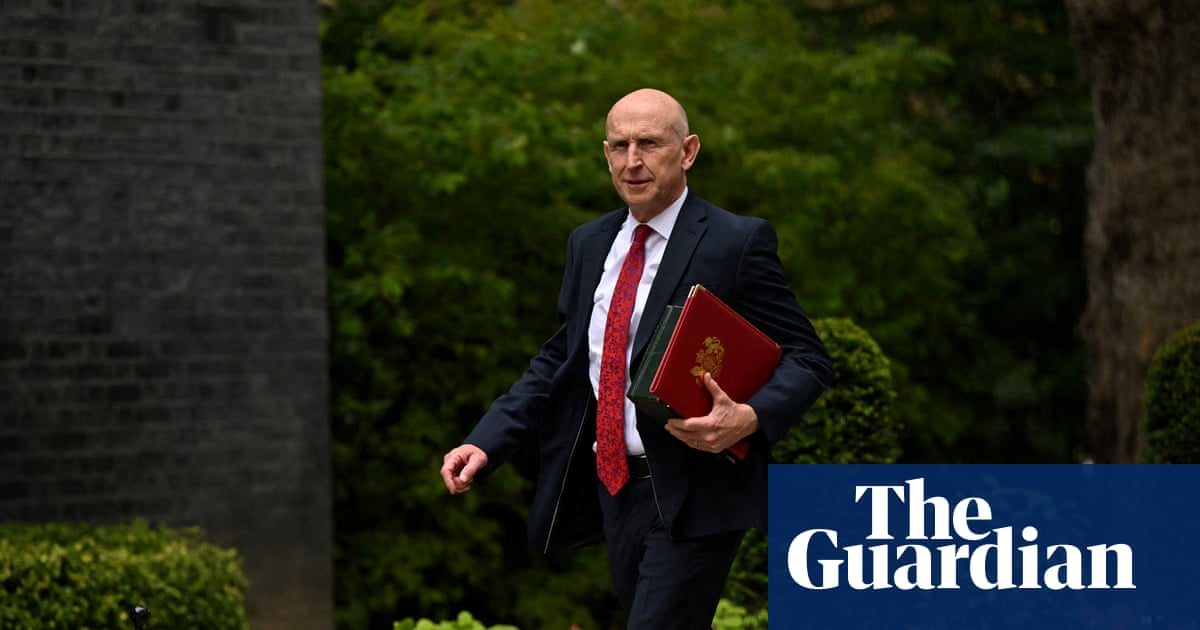
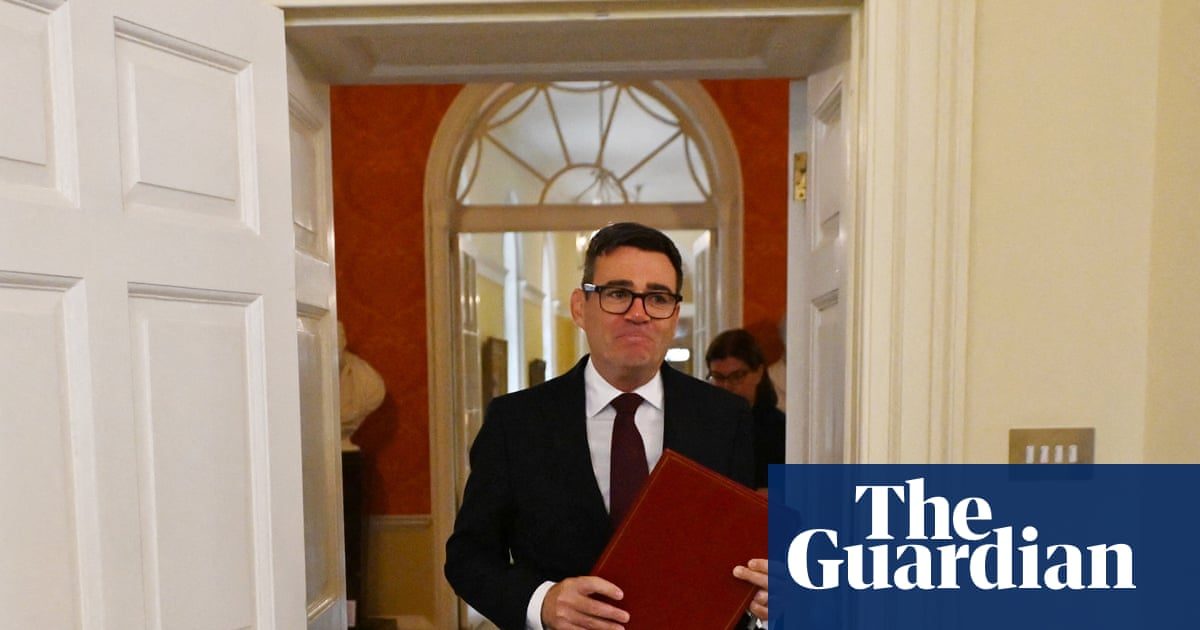
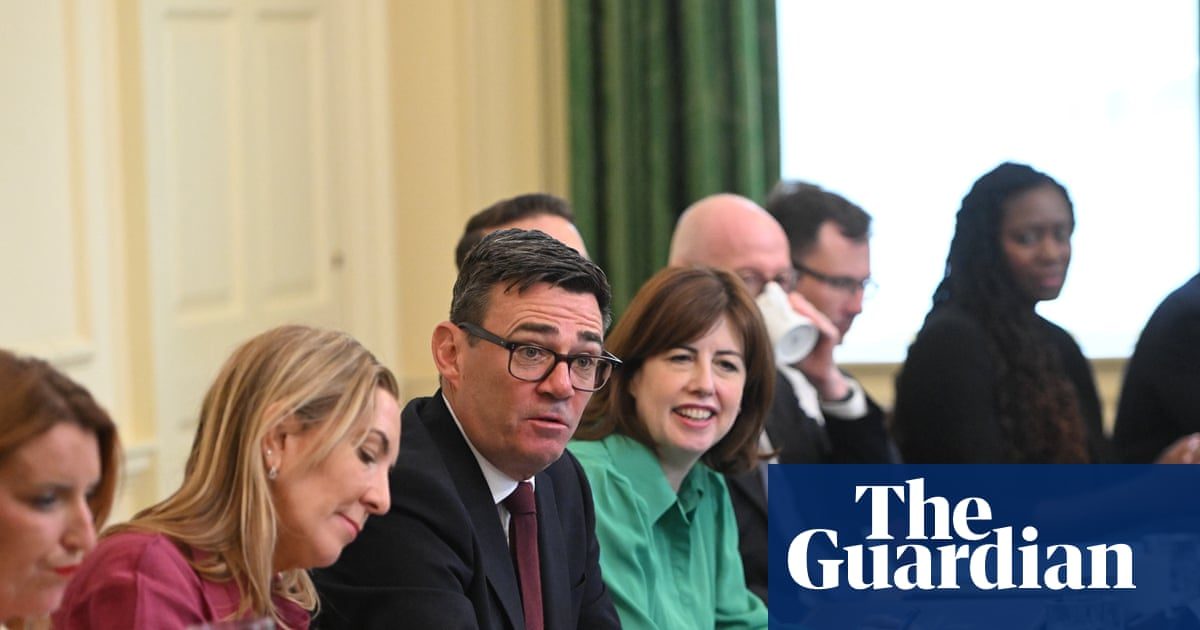
Andy Burnham has appointed John Healey as UK chancellor, tasking the former defence secretary with finding the money for ambitious spending pledges without breaking strict borrowing rules that will dictate Britain's economic trajectory.
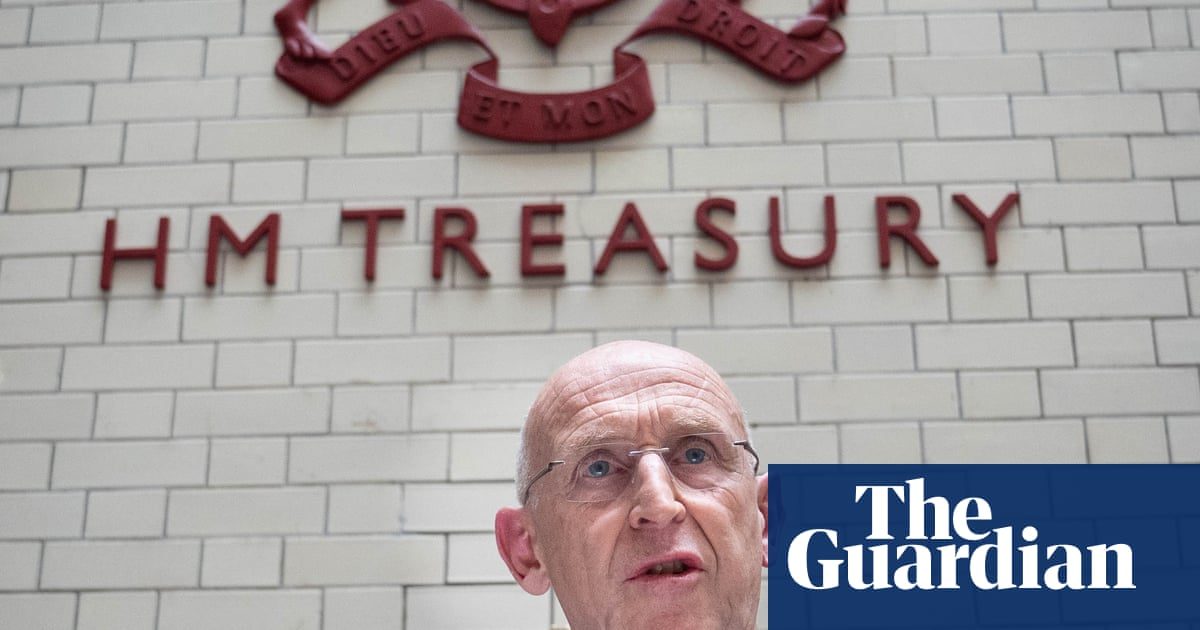
Andy Burnham named John Healey as chancellor on Monday, handing the former defence secretary the most critical job in his new administration. The appointment places a seasoned political operator in charge of the British economy at a moment of acute fiscal pressure.
Healey must immediately find funding for a suite of expensive policy promises. These include higher defence spending, taking utilities into public control and cutting voters’ living costs. He must achieve this while honouring Burnham’s pledge not to raise income tax, VAT or national insurance, and while adhering strictly to the previous government’s borrowing rules.
These constraints form the exact same fiscal straitjacket that hampered his predecessor, Rachel Reeves. To financial markets, Healey is currently being sold as a safe, unifying choice who will not spook investors. Yet his record suggests he may struggle to maintain that disciplined image when forced to allocate scarce resources.
As defence secretary, Healey famously demanded an extra £28bn for the defence investment plan just months after negotiating a multi-year budget. Reeves was infuriated by the request. Her allies argued he had been manipulated by military chiefs into believing the strategic defence review was fully funded.
Healey’s camp offered a different explanation, pointing to additional geopolitical commitments made by former prime minister Keir Starmer after the review, including peacekeeping deployments in Ukraine and the Gulf. Regardless of the cause, the dispute has fuelled doubts about his fiscal conservatism. “He is definitely not a fiscal hawk or even a firm hand in the tiller as he’s being portrayed by some,” a former government official said. “He is a big spender.”
Healey resigned days before the defence plan was published, a move some believe was part of a pre-arranged deal with Burnham. He now enters the Treasury with a reputation for bridging Labour’s factional divides, having earned the respect of both Blairites and the soft left since entering parliament in 1997.
However, his political skills will soon be tested by harsh economic realities. Wes Streeting, the new defence secretary, has already warned that finding extra military cash will require “sacrifices from other government departments.” The fundamental question for investors and businesses is whether Healey will impose those cuts or simply loosen the purse strings.